
Stop Leaks Before They Start
For many facility leaders, the most expensive roof problem is not the one that is obvious. It is the one developing silently beneath the membrane, inside the insulation, and across areas that still look intact from the ground. By the time water intrusion becomes visible inside a building, damage has often already spread well beyond the original point of entry.
That is why thermal drone roof inspections have become such a valuable tool for proactive building management. At St Louis Photographers, we help organizations reveal hidden roof moisture before it turns into interior damage, production disruption, safety concerns, or premature roof replacement. Our approach is built around thermal imaging, radiometric data, and high-resolution aerial mapping to create timestamped, defensible records of roof and asset conditions.
For schools, healthcare facilities, manufacturers, commercial property owners, and multi-site portfolios, this kind of data-driven visibility can change the way roof maintenance decisions are made.
Why Hidden Roof Moisture Is So Expensive
Roof systems rarely fail all at once. In many cases, moisture enters through a seam, flashing detail, puncture, drain area, curb, or aging transition point. Once water gets into the system, it can migrate laterally, saturate insulation, reduce thermal performance, and accelerate deterioration.
What makes this especially costly is that the visible leak inside the building may not line up with the actual entry point on the roof. Water travels. It moves along structural members, under membranes, and through layers of roofing materials before it appears in a ceiling tile, wall cavity, hallway, or production area.
That uncertainty leads to a familiar and expensive cycle: patch the symptom, wait, inspect again, patch another area, and repeat. The result is wasted maintenance spending, unnecessary guesswork, and a roof system that continues to decline.
Thermal drone services help break that cycle by identifying suspect moisture patterns earlier and across a much larger area than traditional spot checks alone.
How Thermal Drone Roof Inspections Work
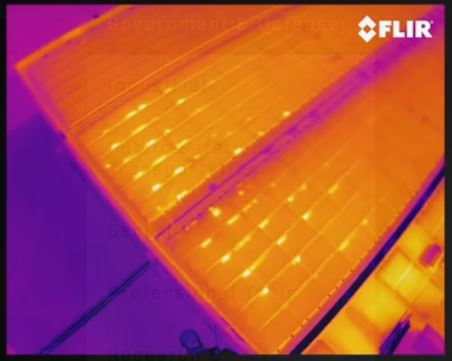
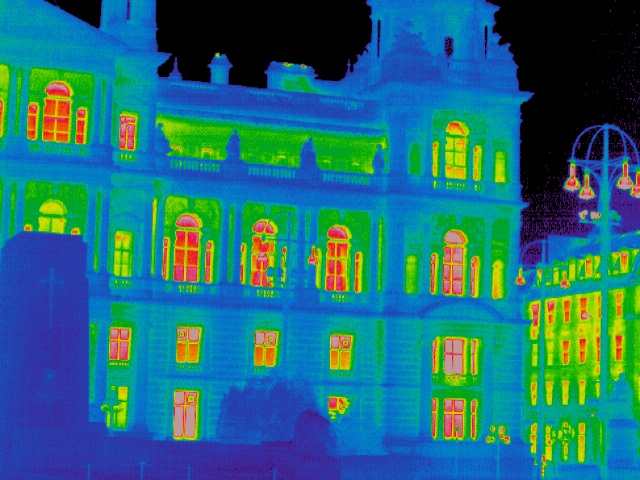
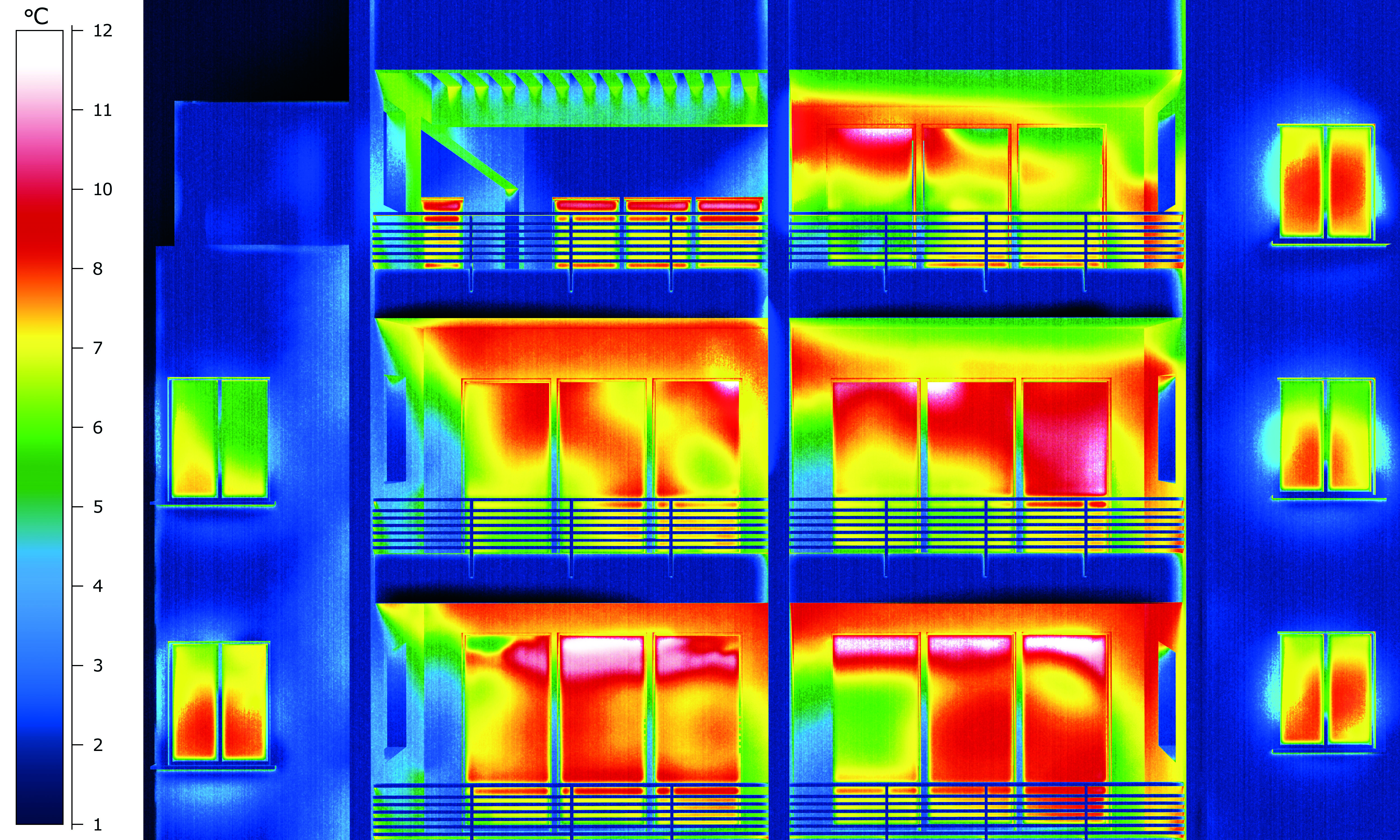
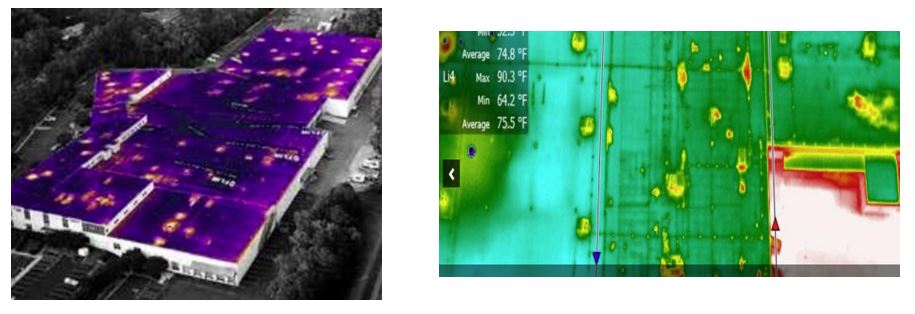
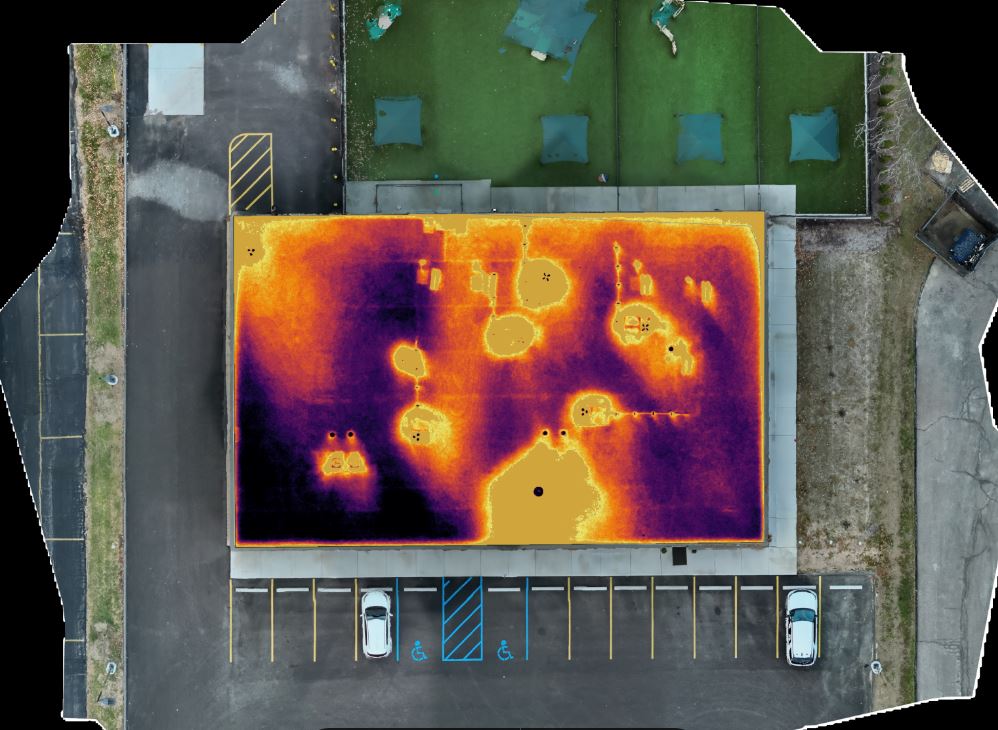
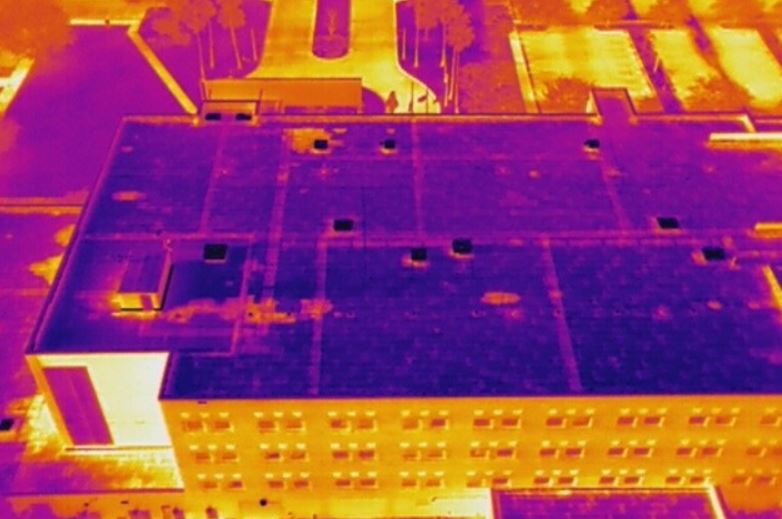
Thermal imaging detects temperature differences across a roof surface. Wet insulation and trapped moisture often heat and cool differently than dry materials. Under the right conditions, those differences appear as thermal anomalies that can be mapped, documented, and reviewed.
A drone-based thermal survey allows us to inspect large roof surfaces efficiently while capturing both thermal and high-resolution visual imagery. When this process is performed correctly, it gives facility managers a clearer understanding of where moisture may be present, how broadly it may have spread, and which areas deserve immediate attention.
At St Louis Photographers, our workflow is not based on a single image or a vague “hot spot” interpretation. We focus on building useful records. That means combining thermal imaging with radiometric data and detailed visual documentation so the results are more than just interesting pictures. They become actionable maintenance intelligence.
What Radiometric Data Adds to the Process
Not all thermal imaging is equally useful. A colorful thermal image can look dramatic, but without proper data behind it, it may not be enough for meaningful decision-making.
Radiometric thermal data records temperature information throughout the image, allowing more detailed analysis of roof conditions. This matters because facility teams, consultants, and contractors often need more than a visual impression. They need a documented basis for comparing areas, reviewing thermal patterns, and supporting follow-up investigation.
When paired with high-resolution mapping and time-stamped imagery, radiometric data strengthens the inspection record. It helps create a more defensible view of conditions at a specific moment in time, which is valuable for maintenance planning, contractor coordination, budgeting discussions, warranty conversations, and long-term asset management.
Why Drones Are So Effective for Large and Complex Roofs
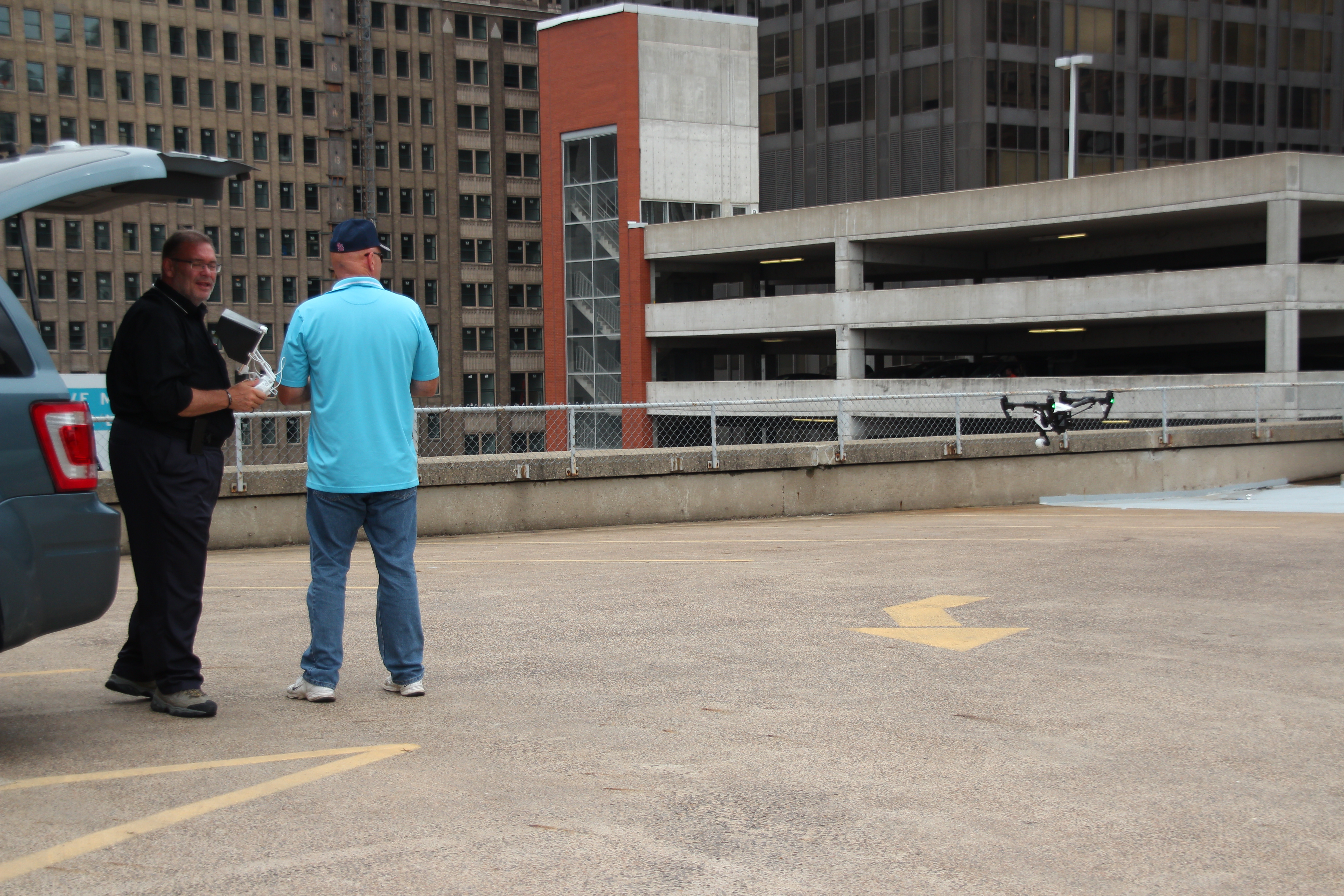
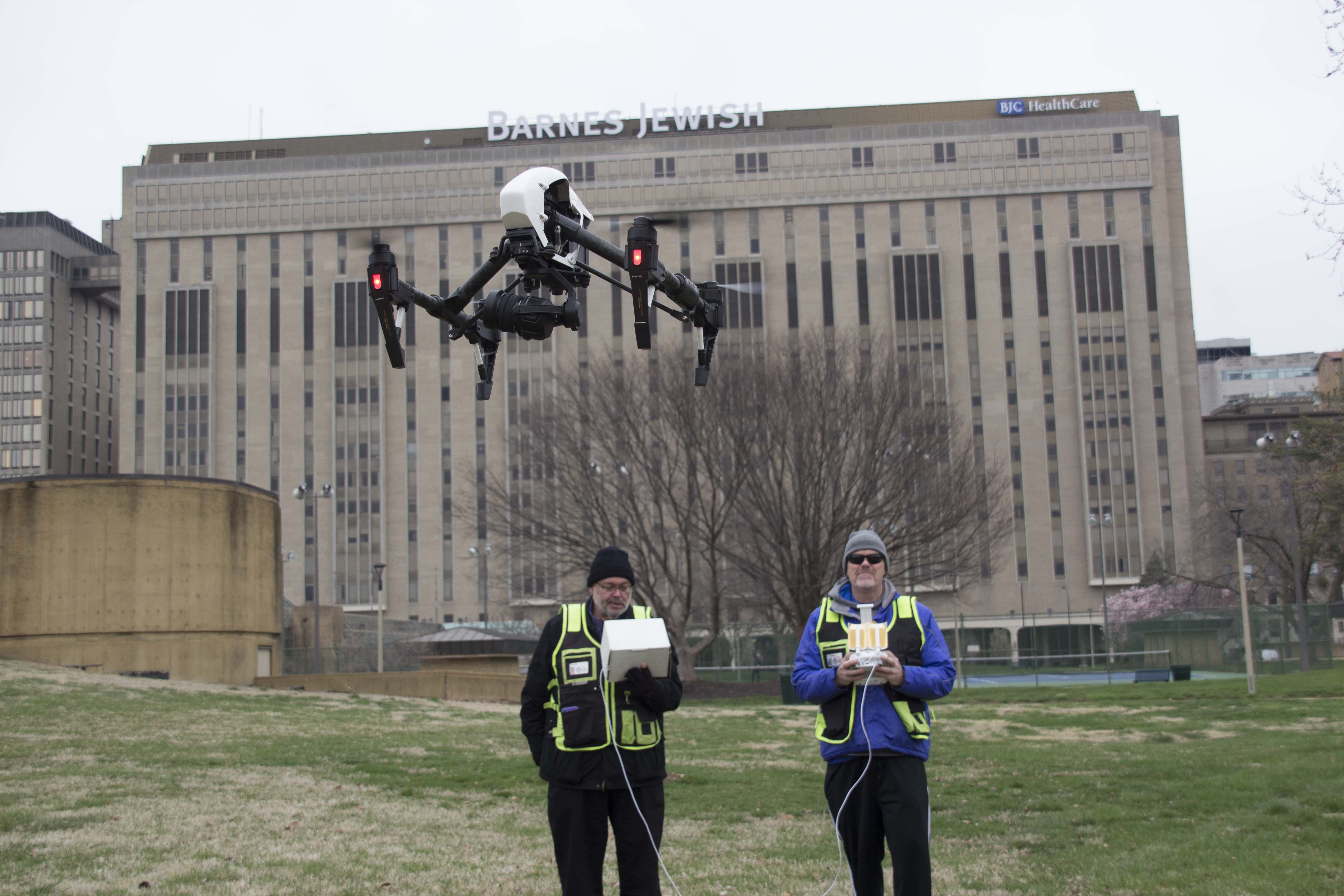
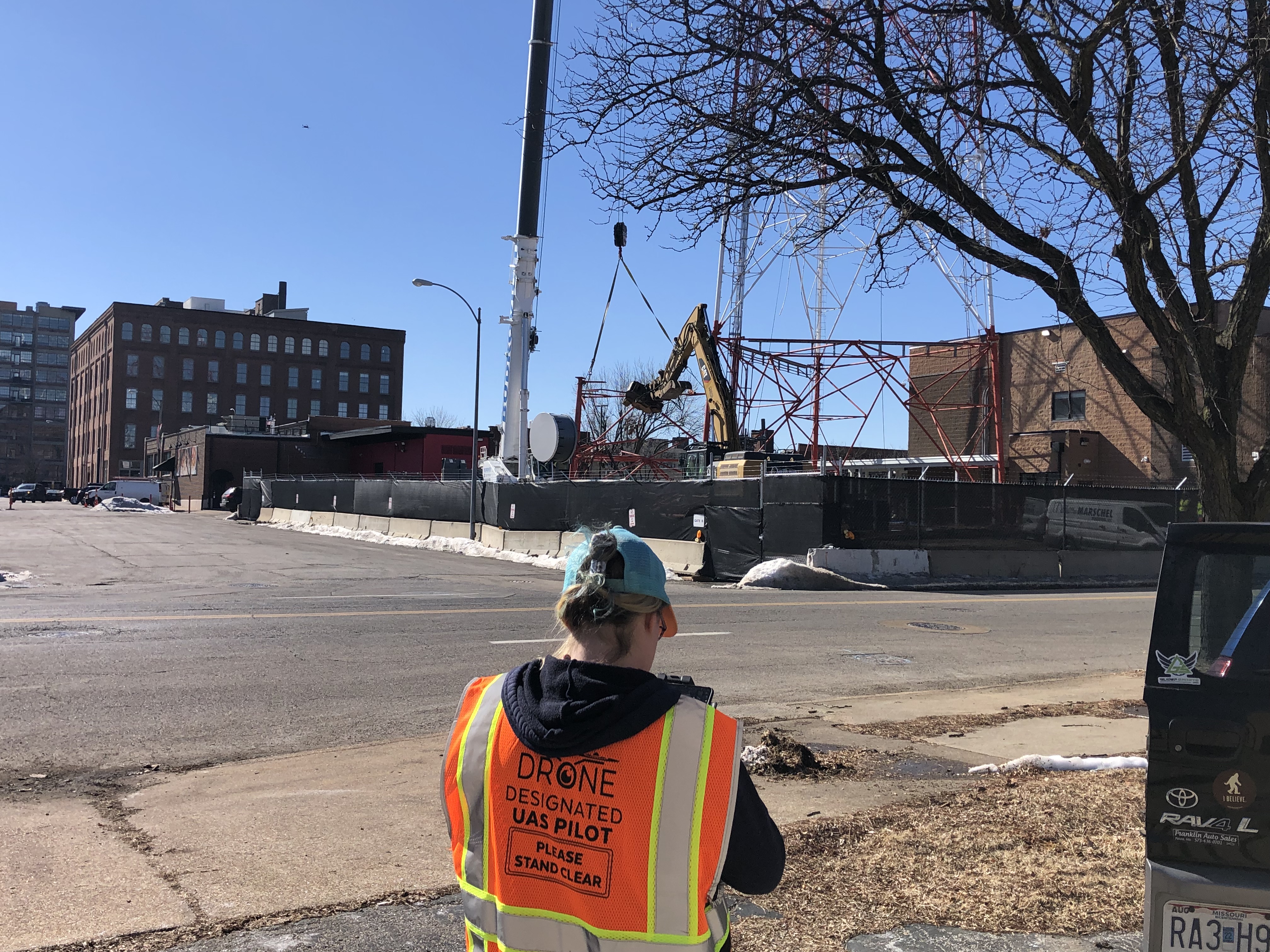
Traditional roof inspections remain important, but they can be limited by access, time, and safety concerns. Large campuses, manufacturing facilities, medical buildings, schools, and commercial complexes often have roof areas that are difficult to evaluate efficiently from the ground or through manual walkovers alone.
Thermal drones bring several practical advantages.
First, they allow broad coverage. Large roof surfaces can be documented much faster than with purely manual methods.
Second, they improve perspective. The aerial view makes it easier to understand how suspect areas relate to drains, curbs, penetrations, rooftop units, parapets, and seams.
Third, they support consistency. Captured data can be organized into a repeatable record, making future comparisons easier.
Fourth, they reduce guesswork. Instead of relying only on isolated observations, stakeholders can review mapped imagery that shows the spatial relationship of anomalies across the entire roof surface.
For organizations managing multiple buildings or large properties, that visibility is especially valuable. It helps shift roof maintenance from reactive repair to informed planning.
A Better Way to Prioritize Roof Maintenance
One of the biggest benefits of thermal drone inspection is not simply finding moisture. It is helping organizations prioritize.
Not every roof issue requires immediate replacement. Not every anomaly means catastrophic failure. And not every repair dollar should be spent the same way.
With the right thermal and visual data, facility leaders can make more strategic decisions, such as:
Which roof sections appear most likely to contain trapped moisture
Which problem areas may justify immediate follow-up testing or repair
Which areas should be monitored over time
Which buildings are stronger candidates for capital planning or phased replacement
Which assets appear stable enough to defer major expenditure
That matters in real-world operations. Schools are balancing budgets. Healthcare facilities cannot afford disruption. Manufacturers need to protect production environments and sensitive equipment. Commercial portfolio managers need consistent records across multiple properties. In all of these settings, better data supports better timing.
More Than Leak Detection: Building a Defensible Roof Record
A roof inspection should not end with a verbal opinion. For many organizations, the real value is in the record that remains after the flight.
We build data-driven systems that give facility leaders real visibility into the health of their buildings. Our process emphasizes timestamped, organized documentation that can support internal maintenance planning and external communication alike.
That kind of record can be useful when coordinating with roof consultants, maintenance teams, insurers, contractors, and executive stakeholders. It also creates a historical baseline. When future inspections are conducted, conditions can be compared over time rather than judged in isolation.
This is especially important for campuses and commercial portfolios, where decision-makers may need to defend why one building received immediate repair funding while another was placed into a monitoring cycle. Good documentation supports those decisions.
Who Benefits Most from Thermal Drone Roof Services
Thermal drone roof inspections are especially useful for organizations responsible for large, aging, complex, or high-consequence buildings.
Schools and universities benefit because hidden moisture can disrupt classrooms, offices, and common areas, while maintenance teams often have to stretch limited budgets across multiple buildings.
Healthcare facilities benefit because interior leaks can threaten sensitive environments, disrupt patient care areas, and complicate maintenance access.
Manufacturers benefit because roof leaks can impact equipment, stored materials, production timelines, and workplace safety.
Commercial real estate owners and portfolio managers benefit because building-by-building records help standardize condition reporting and support smarter capital planning.
In each of these environments, the goal is not simply to react faster after damage occurs. It is to identify potential trouble earlier and respond with better information.
What Thermal Imaging Can and Cannot Do
An experienced provider should be clear about the strengths and limits of thermal roof inspections.
Thermal imaging is highly effective for identifying temperature patterns that may indicate trapped moisture. It is an excellent screening and documentation tool. But thermal anomalies still need to be interpreted correctly. Surface temperature differences can also be influenced by roof material changes, repairs, reflectivity, shadows, ponding tendencies, equipment heat, and other conditions.
That is why experience matters. A responsible thermal workflow does not overpromise. It uses thermal findings as part of a disciplined inspection approach that combines visual review, mapping, data interpretation, and, when appropriate, recommendations for follow-up verification.
In other words, thermal drone services are not a gimmick and they should not be treated like one. They are a powerful diagnostic layer when performed by professionals who understand building surfaces, image acquisition, and how to produce useful documentation.
From Reactive Repairs to Predictive Facility Management
The most progressive facility teams are moving away from “wait until it leaks” thinking. They understand that building envelope maintenance is not just a repair function. It is a risk management function.
When hidden moisture is identified earlier, organizations gain options. They can isolate smaller repairs before damage spreads. They can schedule corrective work more strategically. They can reduce emergency response costs. They can build inspection history into a larger asset management plan.
That is the real value of thermal drone services. Not just discovering what is wrong today, but creating a clearer roadmap for what to do next.
Partner with St Louis Photographers for Thermal Drone Roof Intelligence
At St Louis Photographers, we bring an experienced production mindset to technical image acquisition. We understand that collecting images is only part of the job. The real objective is to produce clear, useful, organized visual information that helps our clients make better decisions.
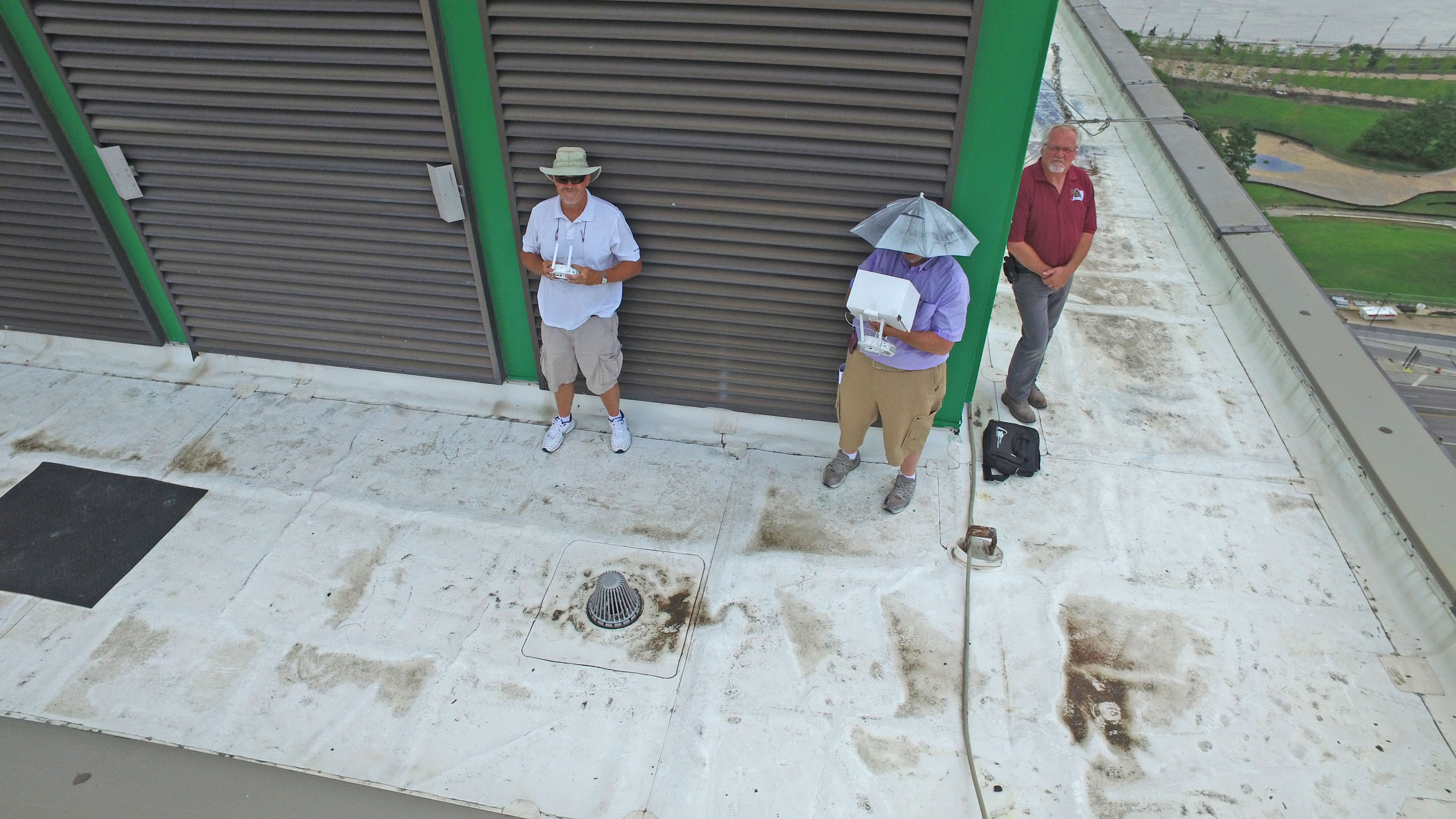
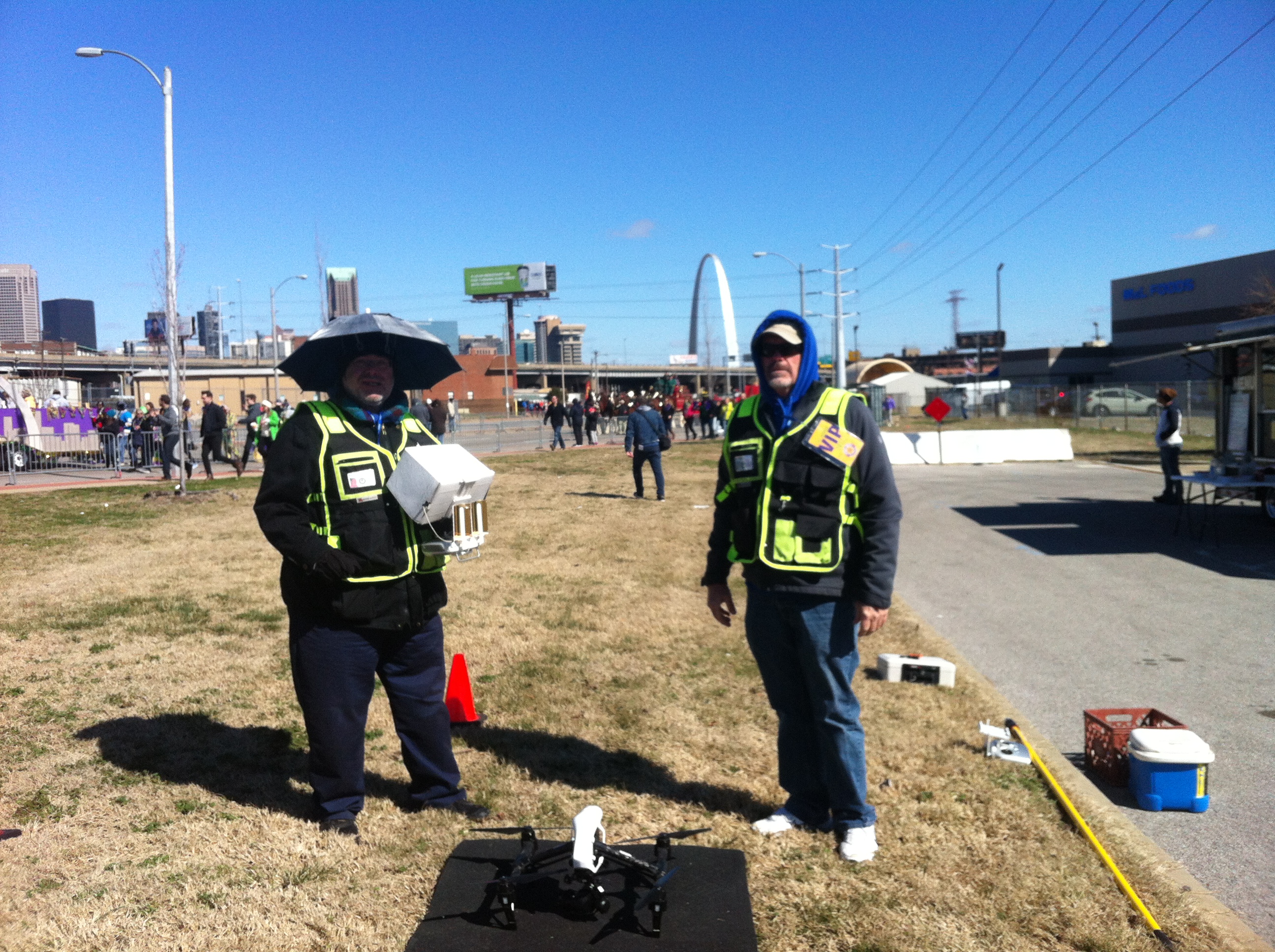
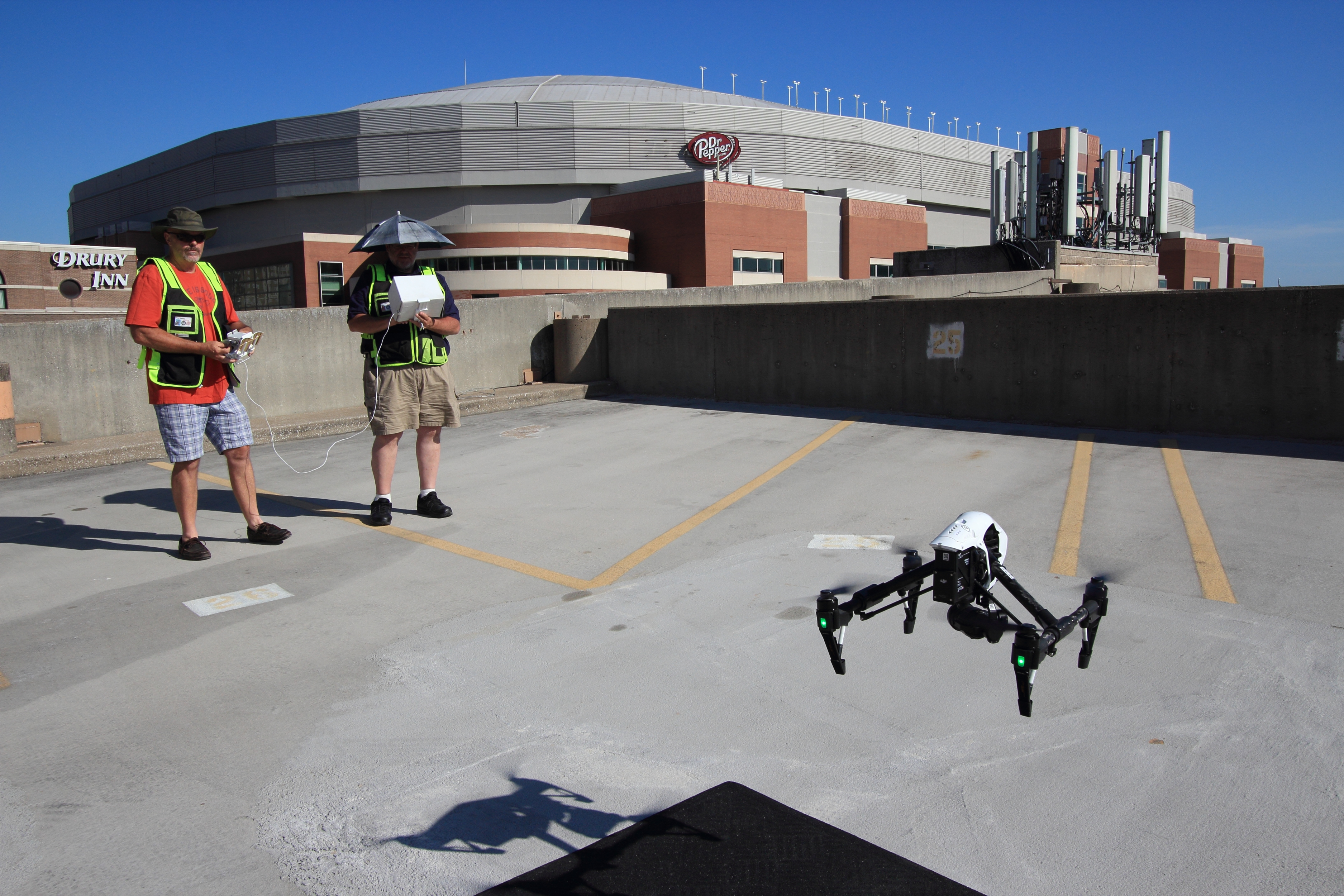
As an experienced team at St Louis Photographers, we are a full-service professional commercial photography and video production company with the right equipment and creative crew service experience for successful image acquisition. We offer full-service studio and location video and photography, as well as editing, post-production, and licensed drone services. St Louis Photographers can customize your productions for diverse types of media requirements. Repurposing your photography and video branding to gain more traction is another specialty. We are well-versed in all file types and styles of media and accompanying software. We use the latest in Artificial Intelligence for all our media services. Our private studio lighting and visual setup is perfect for small productions and interview scenes, and our studio is large enough to incorporate props to round out your set. We support every aspect of your production—from setting up a private, custom interview studio to supplying professional sound and camera operators, as well as providing the right equipment—ensuring your next video production is seamless and successful. We can fly our specialized drones indoors. Since 1982, St Louis Photographers has worked with many businesses, marketing firms, and creative agencies in the St. Louis area for their marketing photography and video.
When your organization needs thermal roof documentation, radiometric insight, high-resolution aerial mapping, and a professional team that understands how to deliver dependable visual records, St Louis Photographers is ready to help.




 St Louis Corporate Photographers