Why choosing the right photography environment, experienced creative professionals, and a comprehensive production strategy makes a measurable difference in business marketing.
Professional Photography Is More Than Taking Pictures
For businesses, corporations, advertising agencies, and marketing professionals, photography is one of the most important elements of effective visual communication. Whether showcasing a manufacturing operation, introducing company leadership, photographing products, documenting facilities, or developing an advertising campaign, professional photography shapes how customers, employees, and prospective clients perceive an organization.

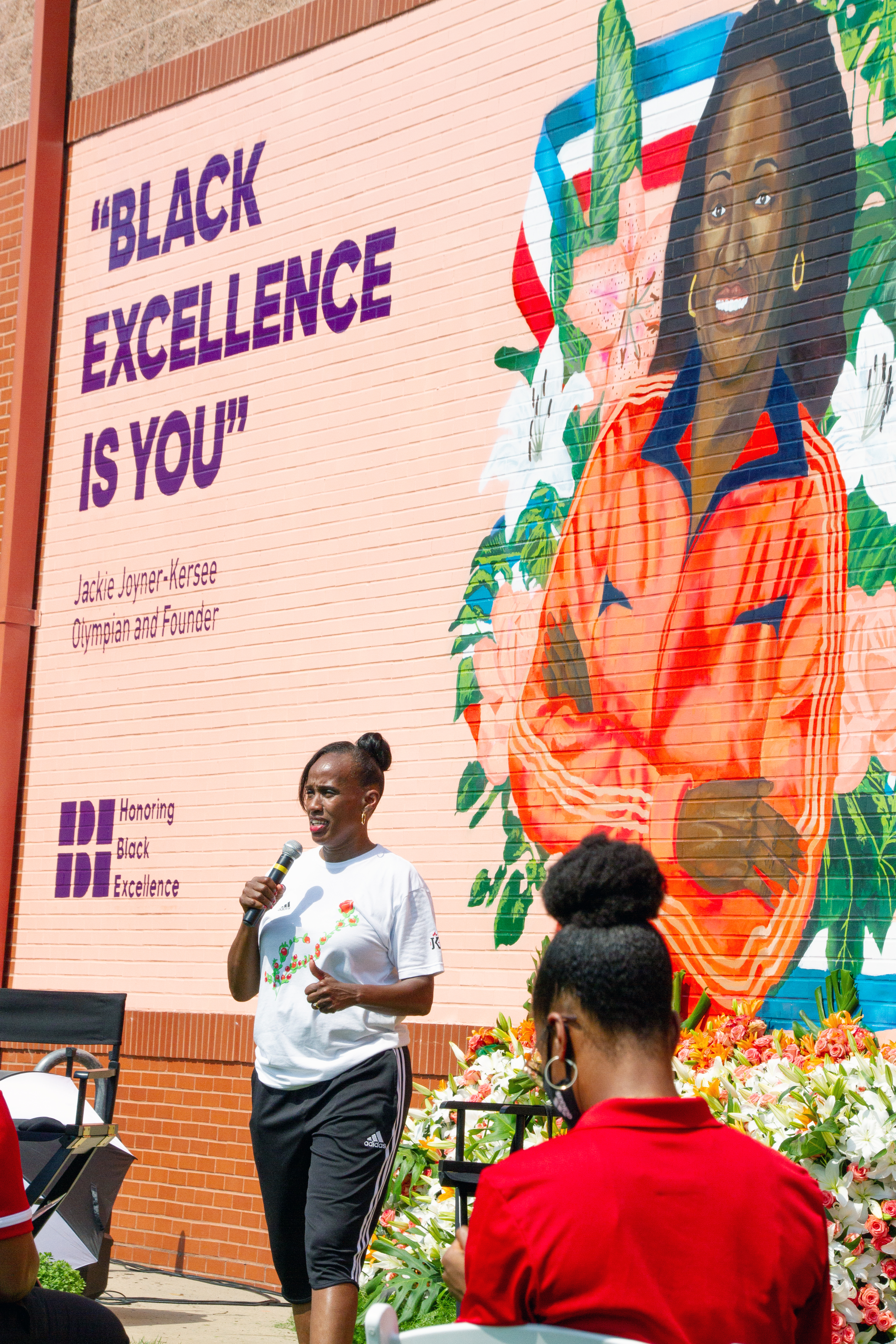




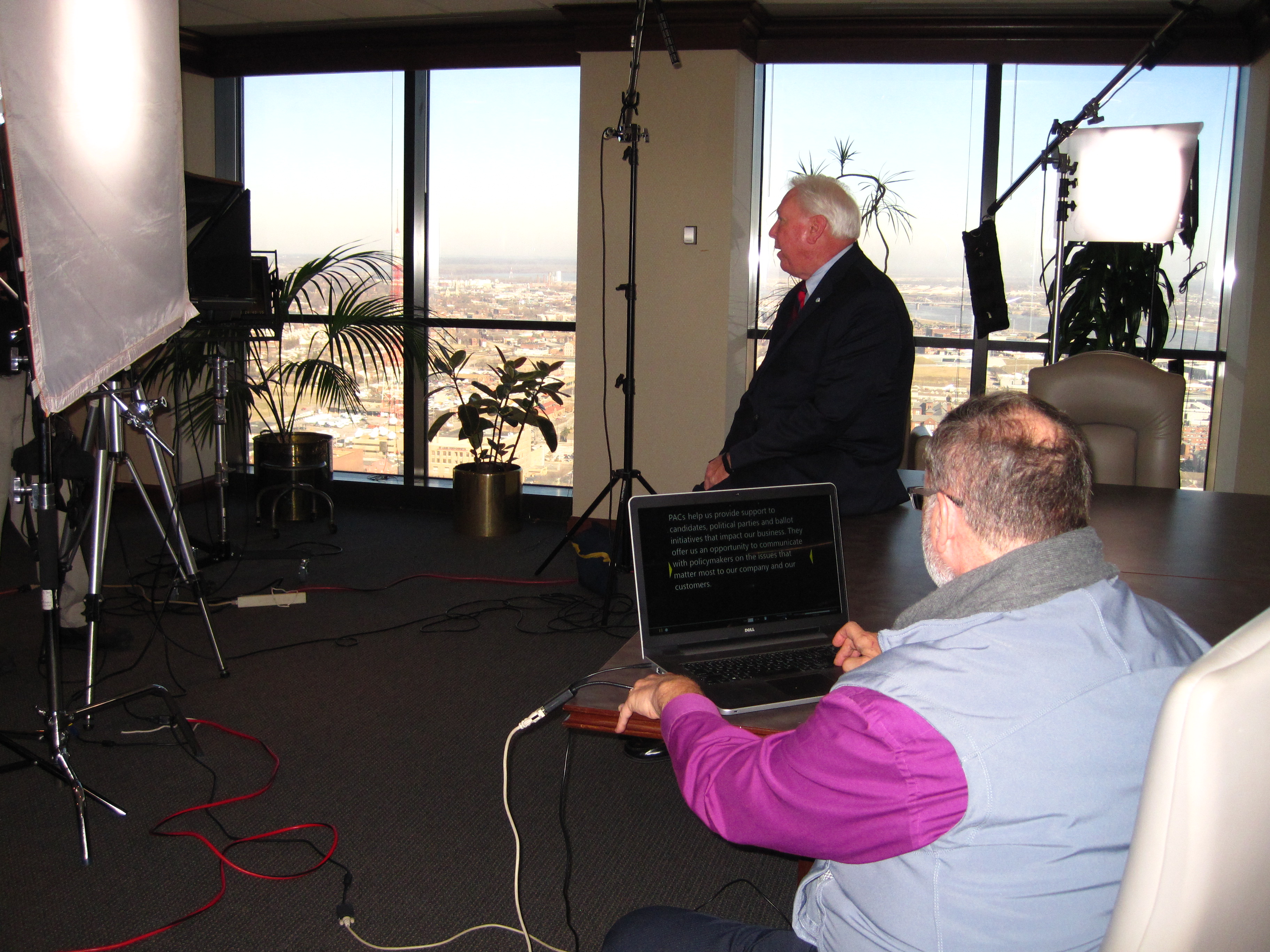
The challenge for marketing decision-makers is not simply finding a photographer. It is selecting an experienced production partner who understands lighting, composition, visual storytelling, branding, production logistics, and the technical requirements of modern digital media.
Equally important is determining where the photography should take place.
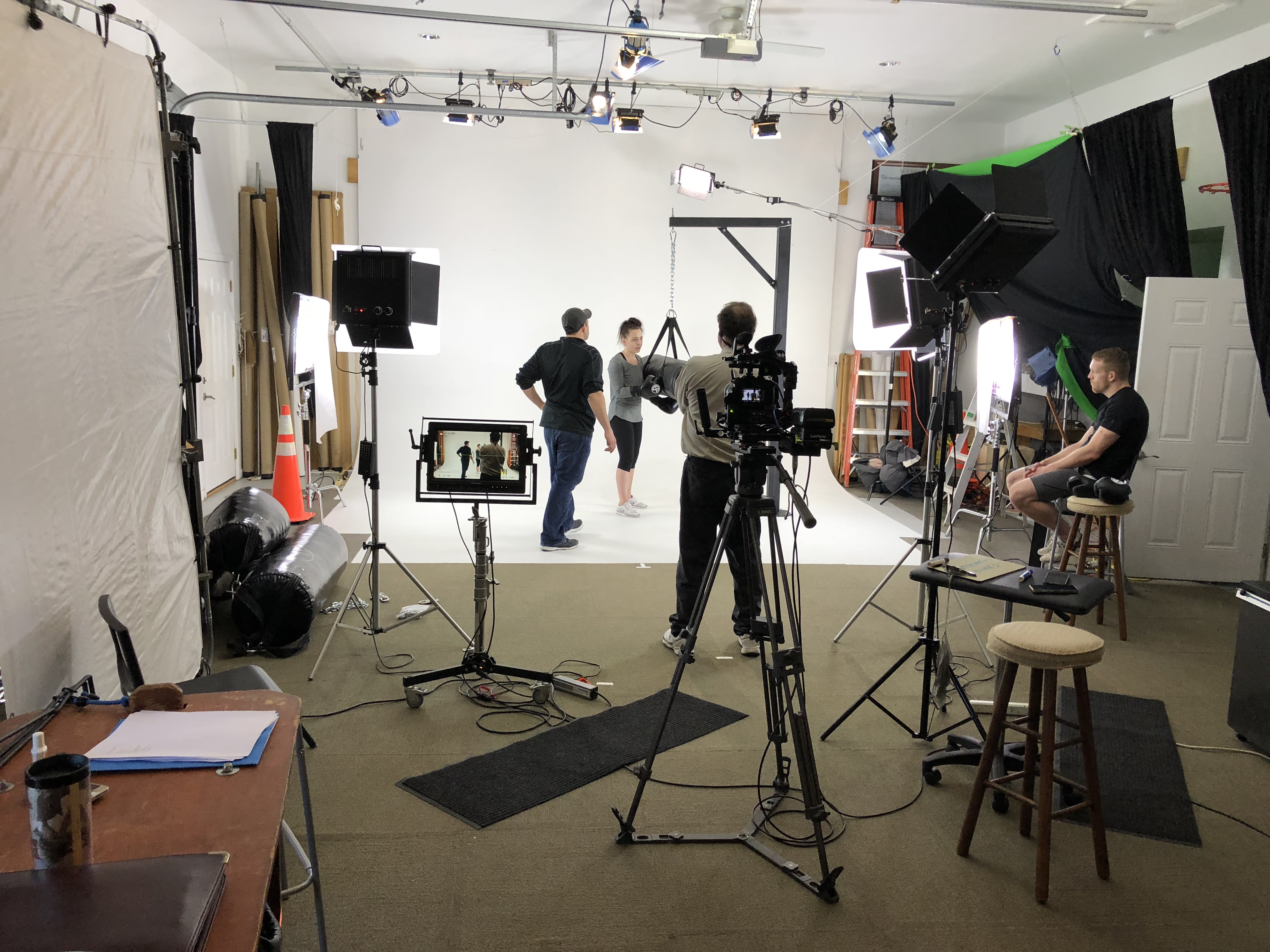
A professionally equipped photography studio provides exceptional control over lighting, backgrounds, and image consistency. Location photography, on the other hand, introduces authentic environments, architectural context, and real-world visual storytelling.
The most successful commercial photography campaigns often combine both approaches.
Professional studio and location photography should be viewed as complementary production resources, not competing alternatives. Understanding when and how to utilize each can improve visual quality, reduce unnecessary production expenses, and create more versatile marketing assets.
The Advantages of Professional Studio Photography
Studio photography remains an essential resource for commercial advertising, corporate communications, product marketing, and executive portraiture.
Unlike environments where lighting, backgrounds, and weather conditions are unpredictable, a professional photography studio gives the photographer precise control over nearly every visual element.
Consistent Lighting and Professional Image Quality
Lighting is fundamental to successful professional photography.
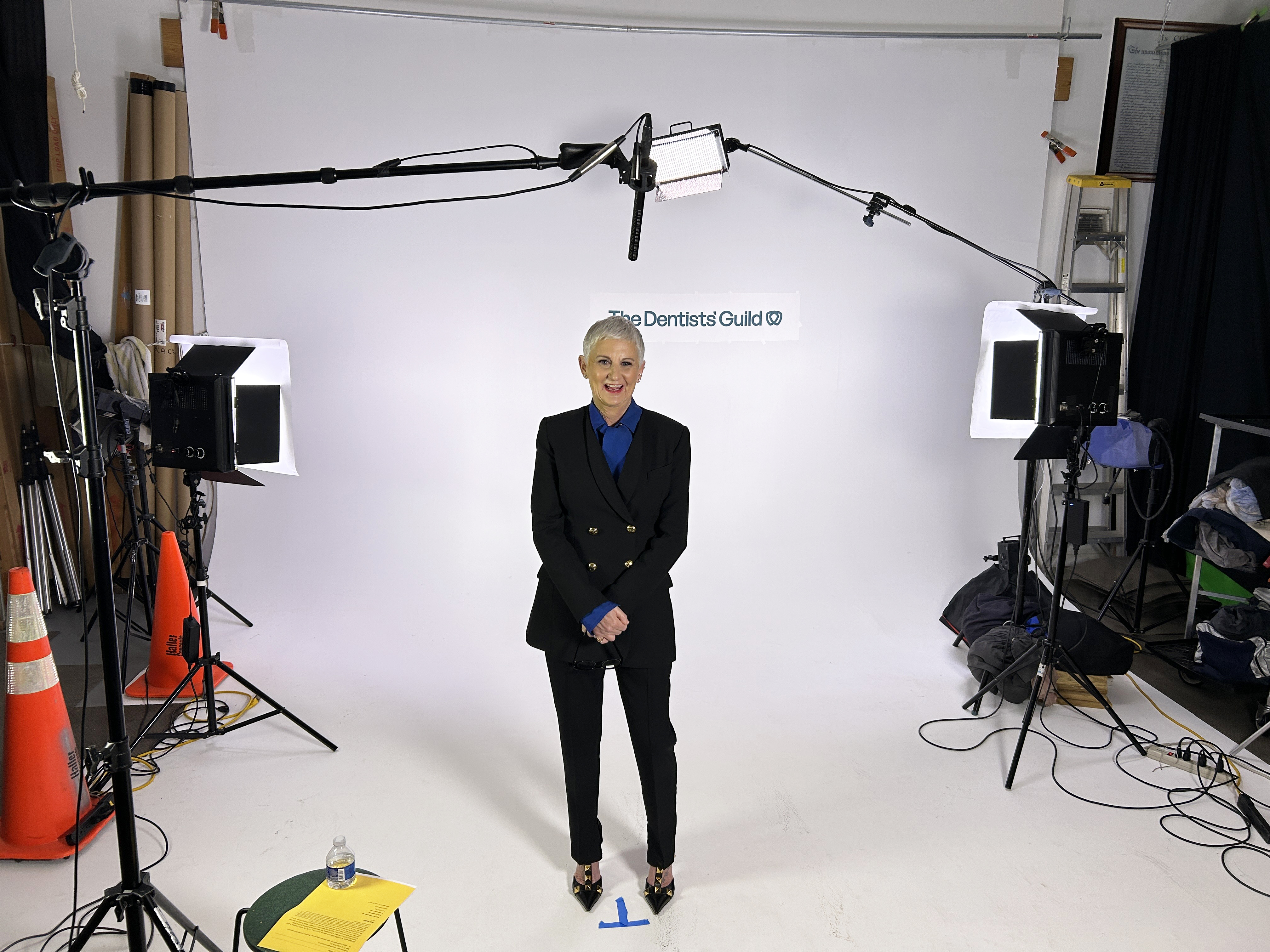
Commercial studio lighting equipment allows experienced photographers to control light direction, intensity, contrast, color temperature, reflections, and shadows.
This is especially valuable when photographing products, corporate executives, employees, or subjects requiring consistent results across multiple sessions.
For instance, when a company needs executive portraits of its entire leadership team, studio lighting can establish a recognizable visual style that remains consistent even when additional executives are photographed months later.
Professional studio lighting is especially useful for:
- Corporate headshots and executive business portraits
- Product photography for advertising and e-commerce
- Food, beverage, and packaging photography
- Commercial promotional and branding imagery
- Employee recruitment and organizational communications
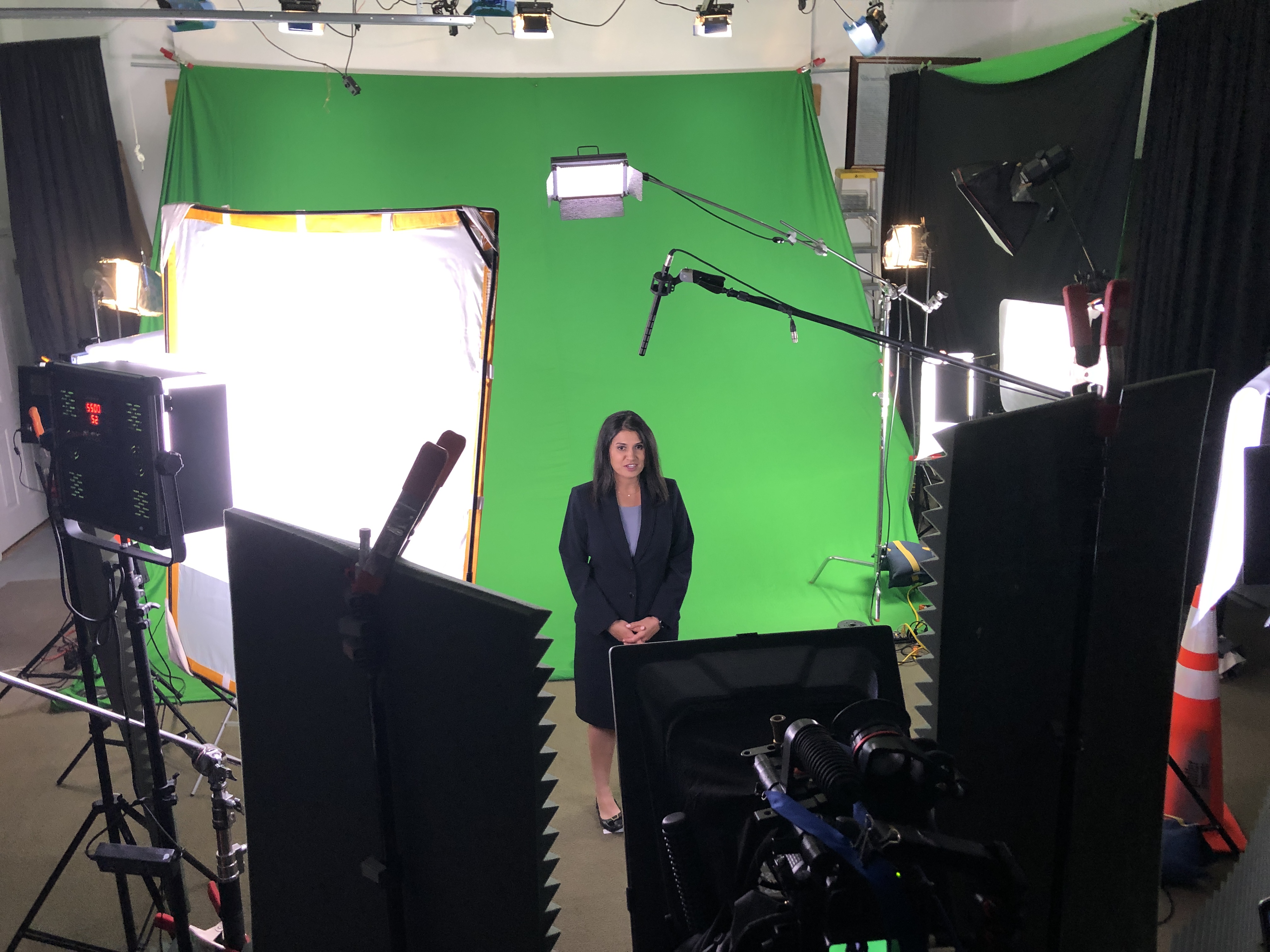
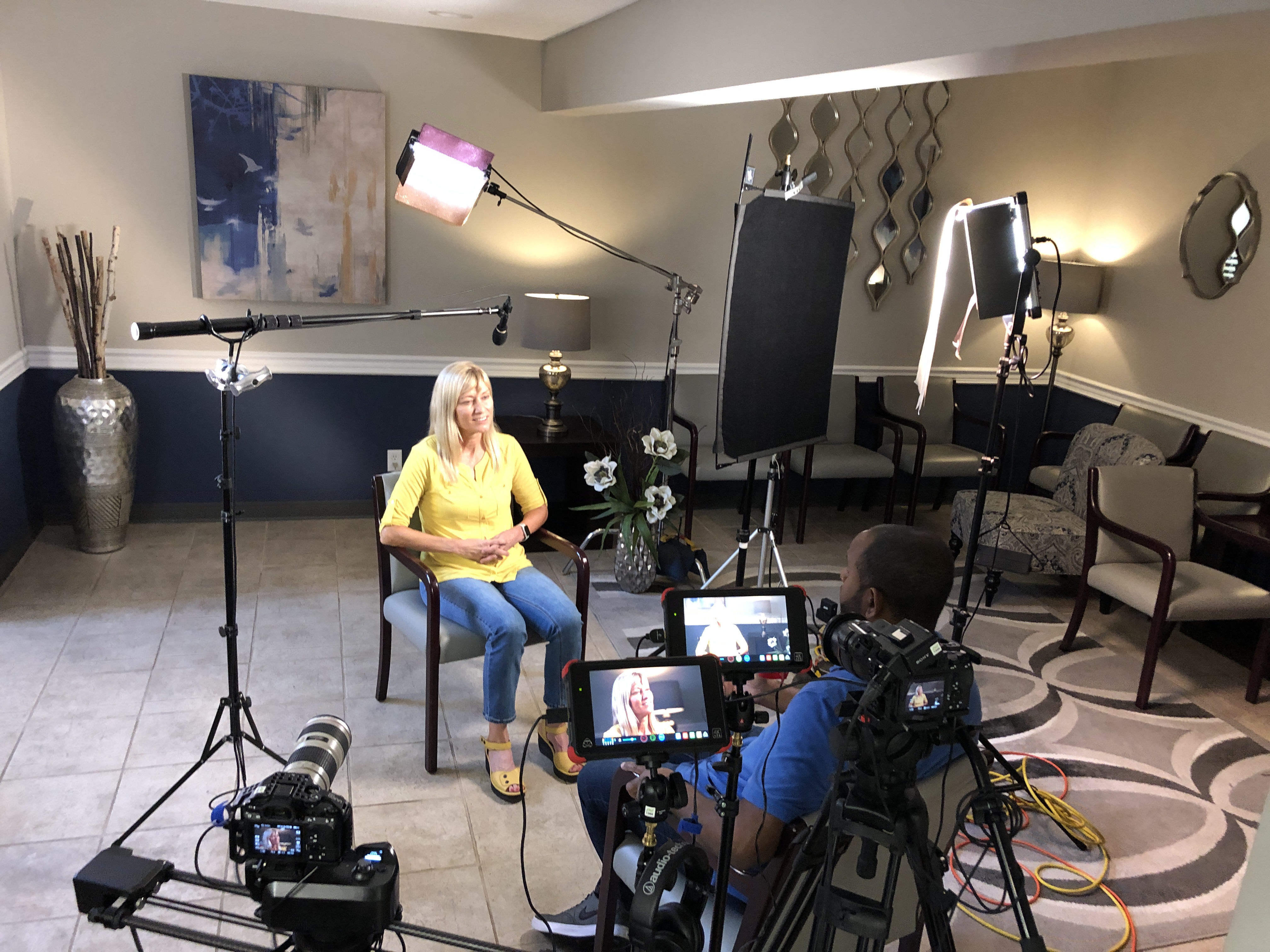
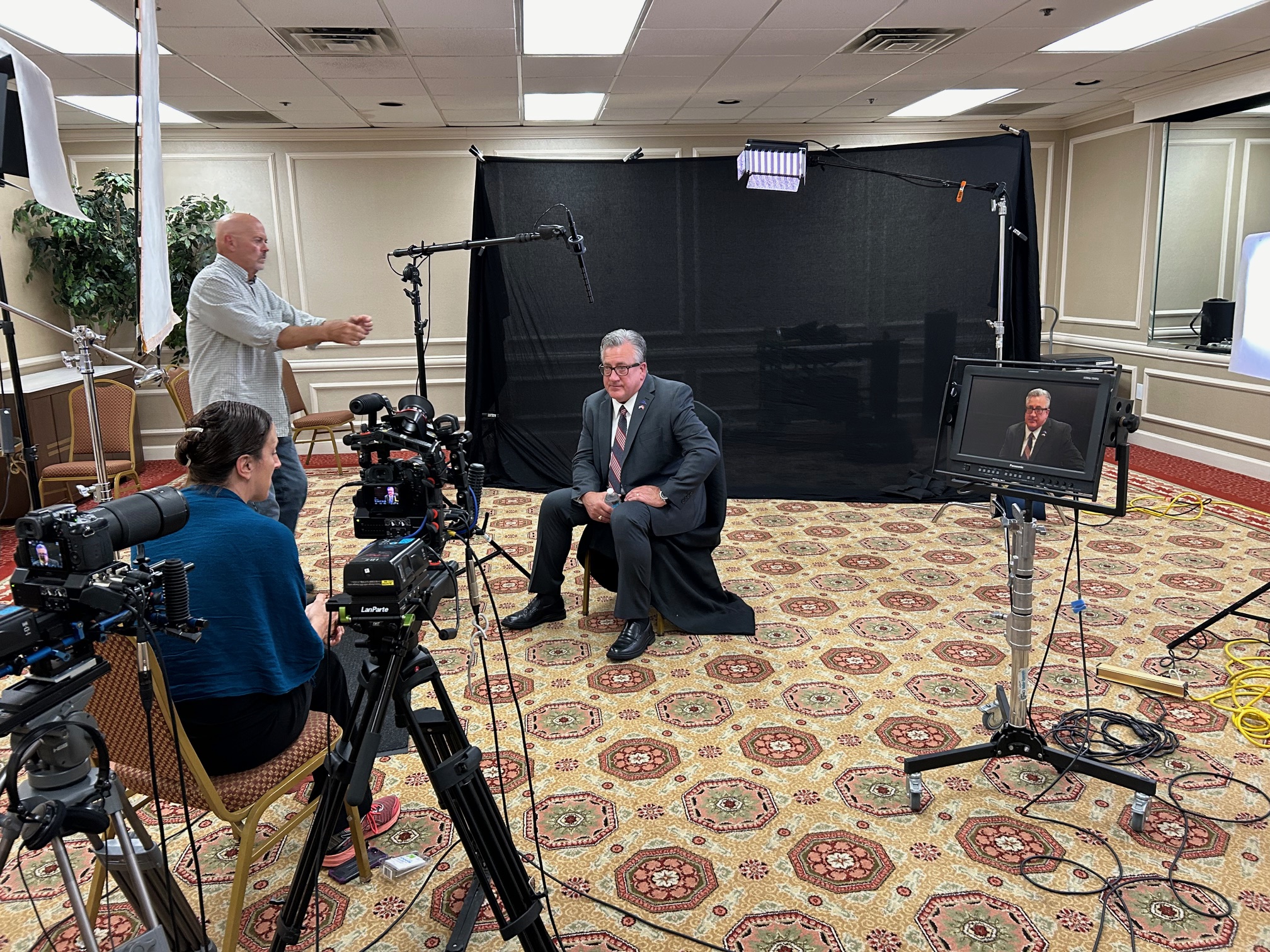
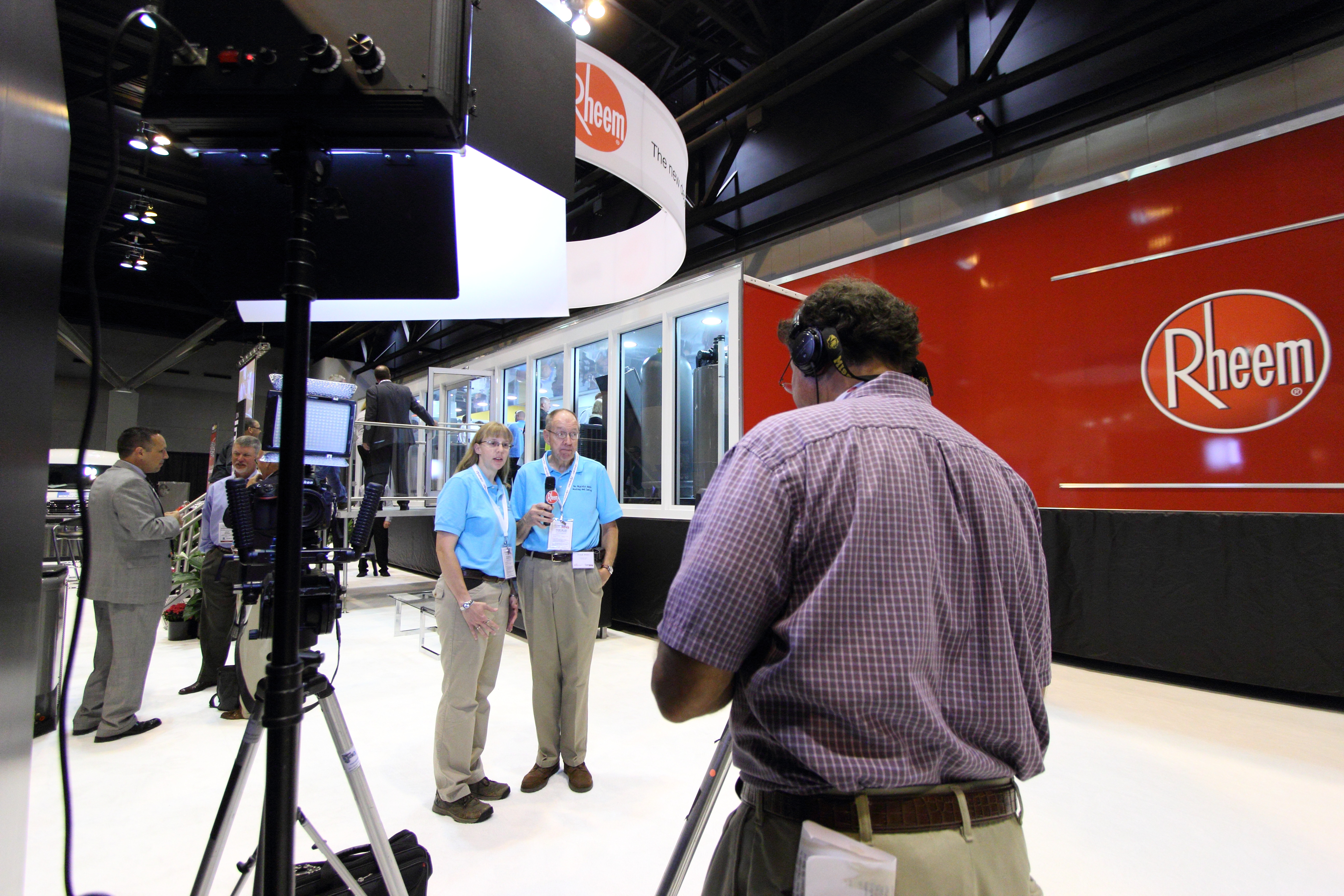
- Interview-based video productions and testimonials
- Training videos and corporate presentations
- Advertising photography requiring specialized backgrounds or props
A controlled lighting environment also reduces the time spent correcting avoidable exposure, color, and background problems during post-production.
Custom Studio Sets and Creative Flexibility
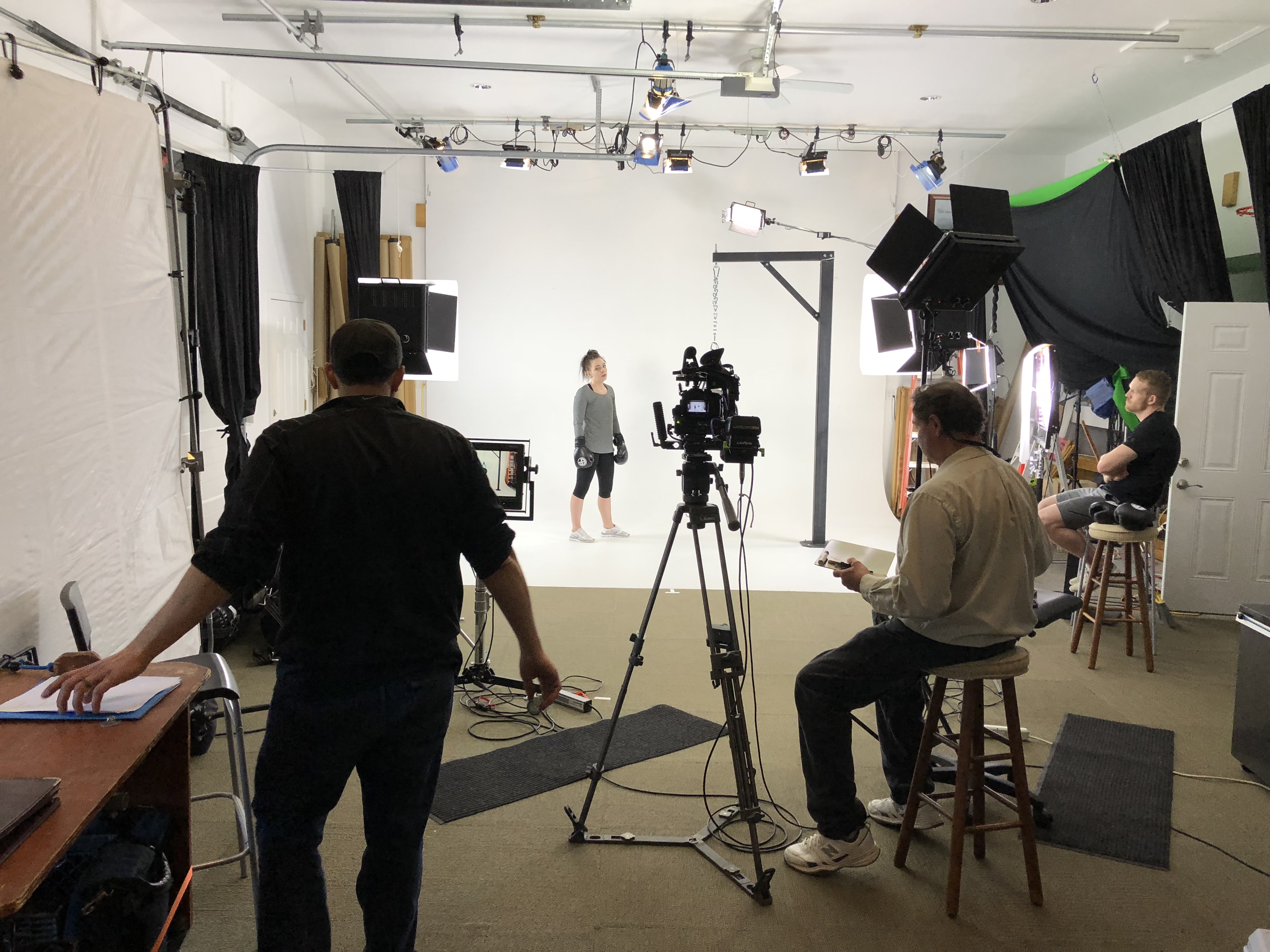
A dedicated professional photography studio is much more than a room containing cameras and lights.
A versatile studio can be adapted to support different visual concepts, background treatments, furniture arrangements, branded elements, and production props.
An executive interview might require a polished corporate setting, while a product advertising campaign could benefit from specialized surfaces, controlled reflections, and carefully positioned accent lighting.
Changing backgrounds, rearranging props, or adjusting lighting allows multiple visual concepts to be captured during the same production session.
For businesses seeking to maximize their creative budgets, this flexibility can be especially valuable.
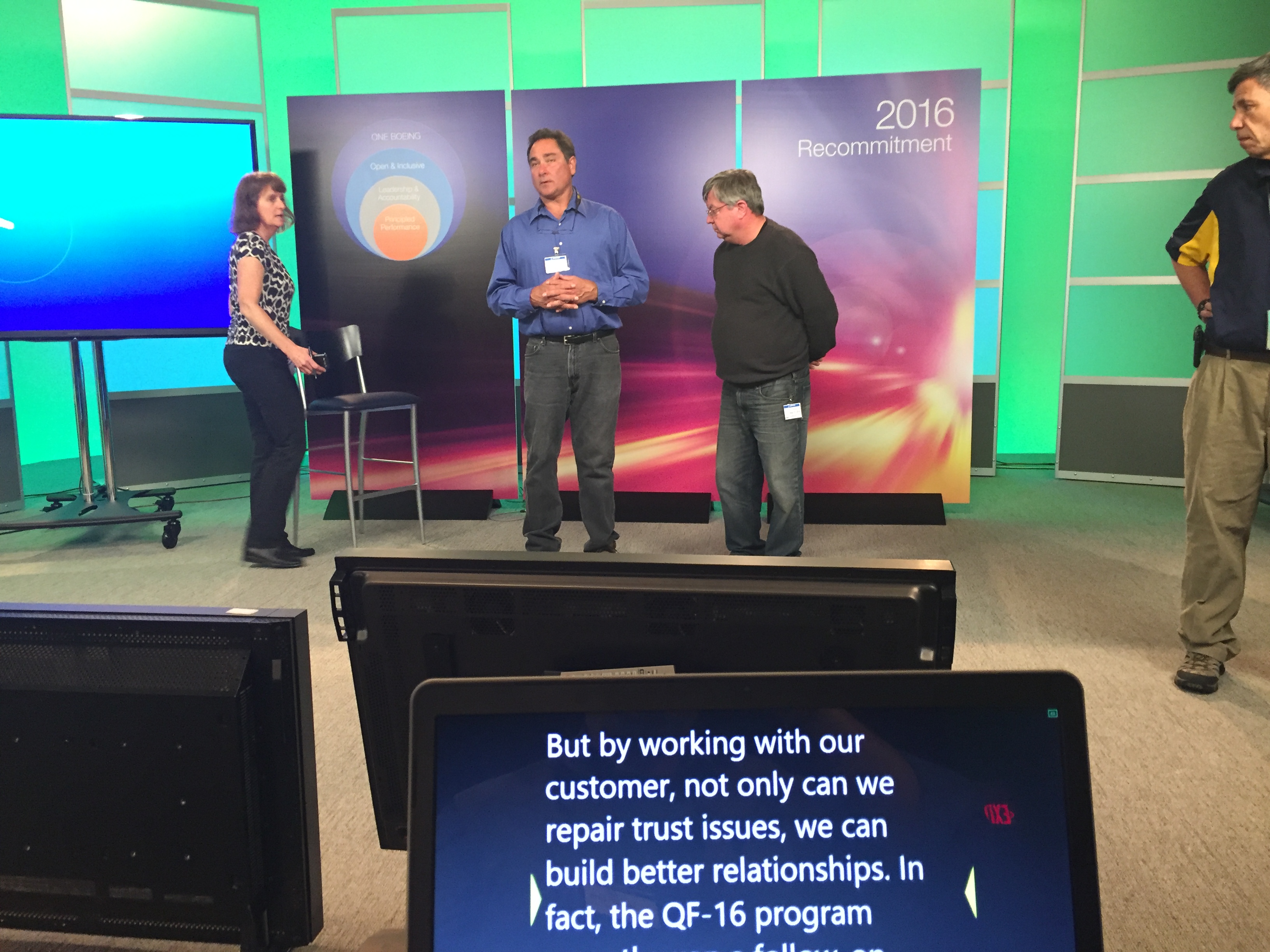
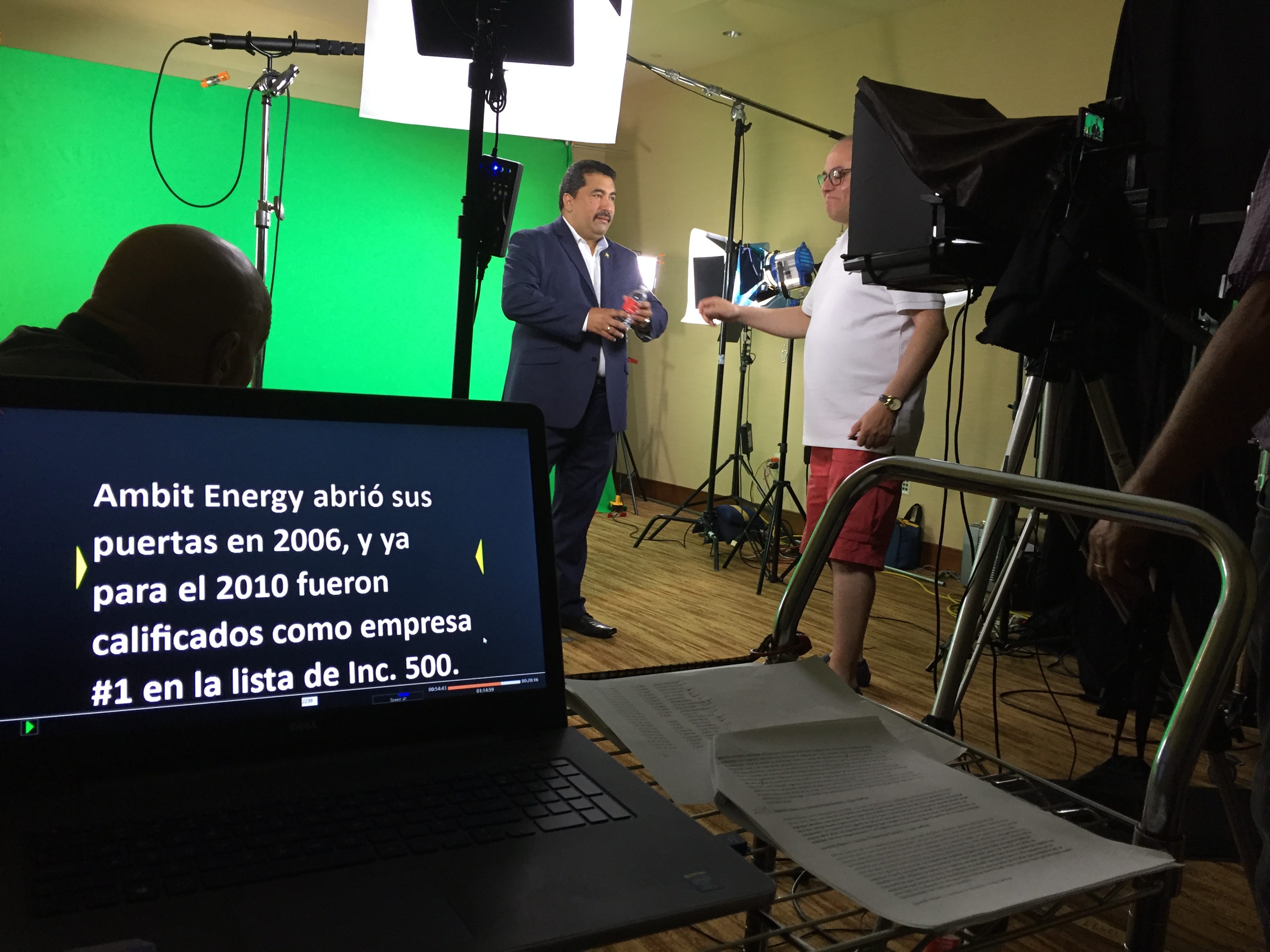
Why Professional Location Photography Matters
Although the studio offers significant advantages, many of the most meaningful business images must be created where the organization actually operates.
Location photography communicates authenticity.
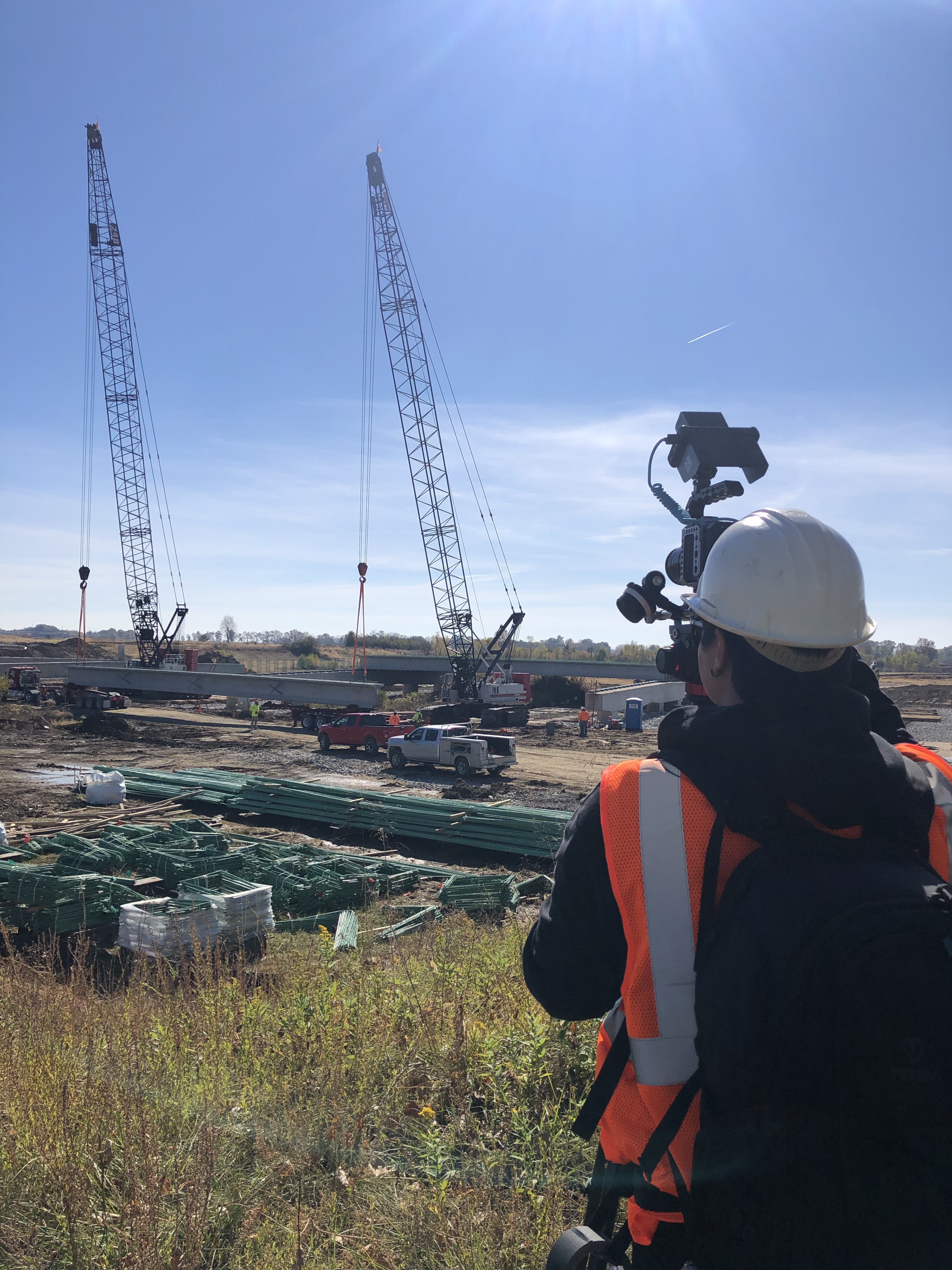
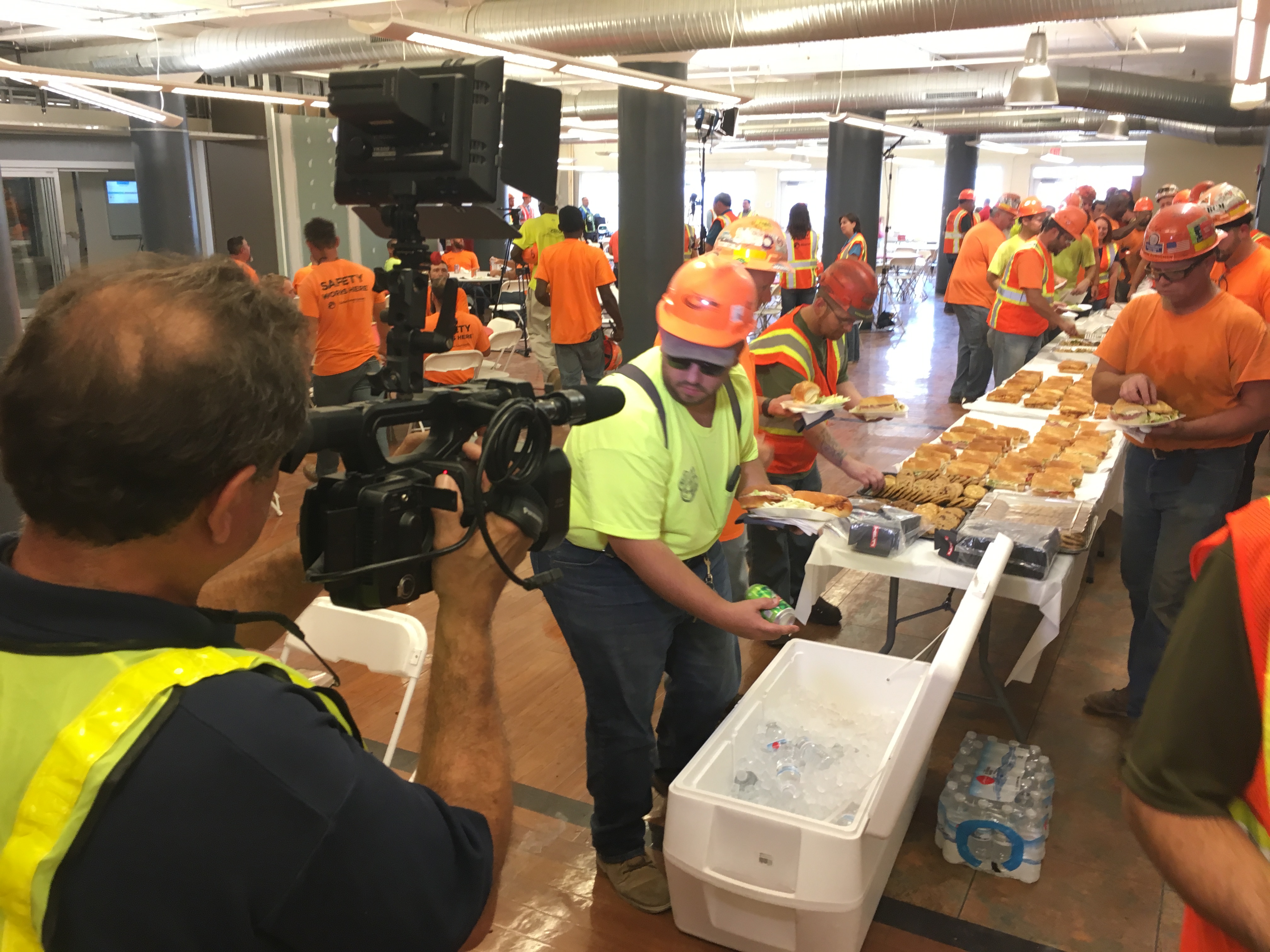
An image of employees working on a manufacturing floor, engineers inspecting a construction project, healthcare professionals interacting with patients, or executives collaborating in their offices can communicate important details about a company’s people, capabilities, and culture.
These environments provide visual evidence of the organization’s operations that a studio background alone cannot duplicate.
Photographing Businesses in Their Actual Environments
Professional location photography is particularly effective for documenting:
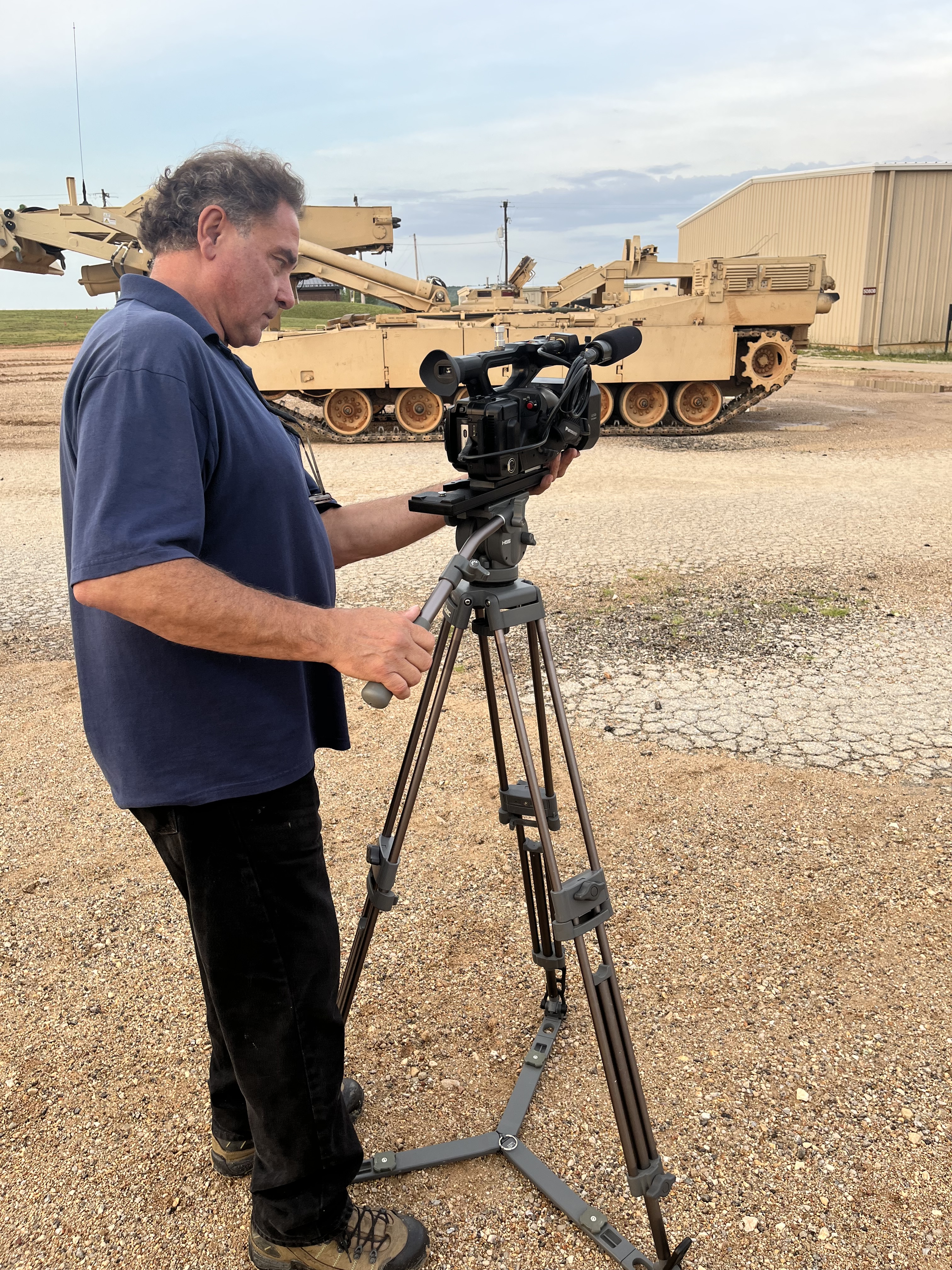
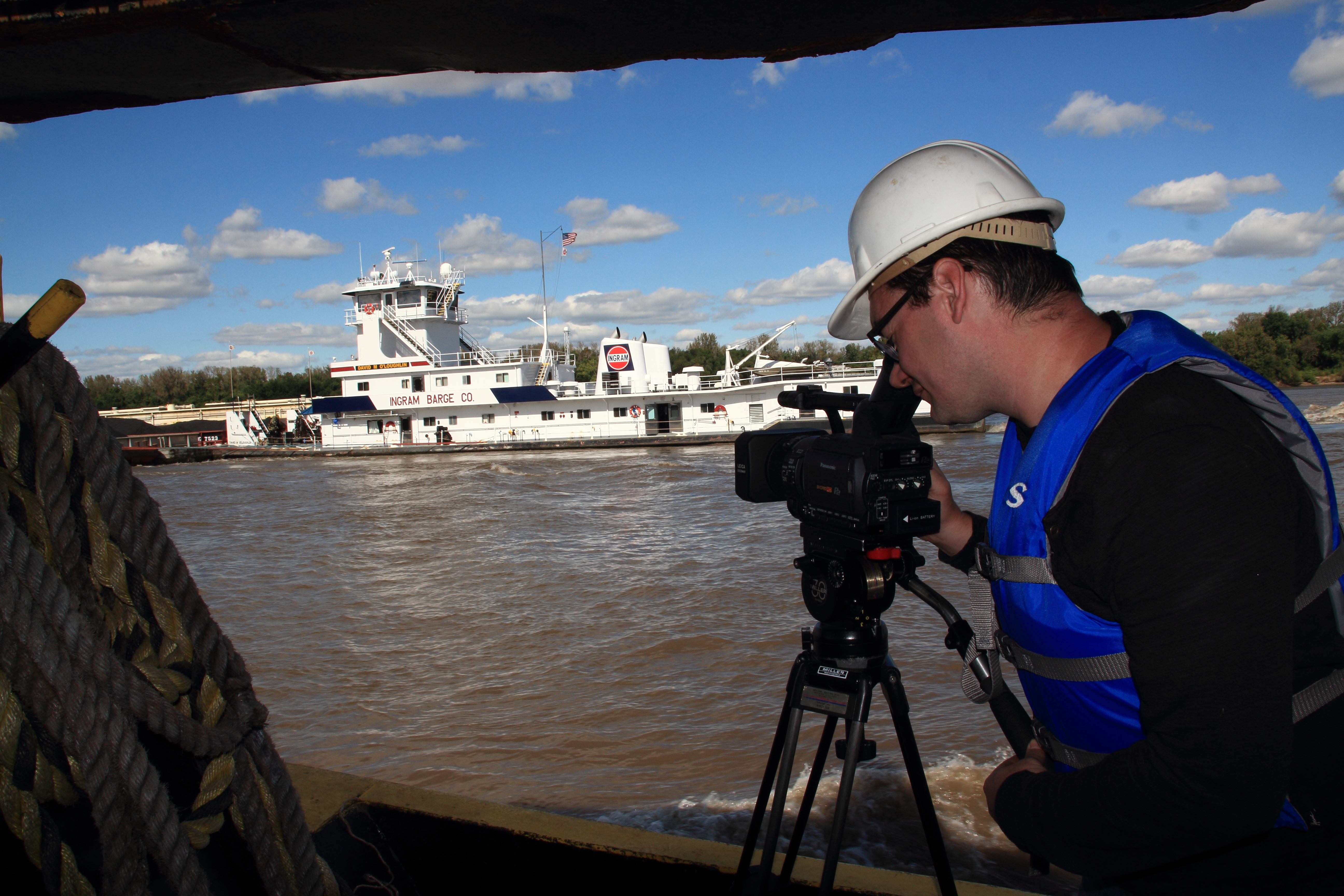
- Manufacturing plants, warehouses, and industrial operations
- Corporate offices and executive workplaces
- Healthcare facilities and professional practices
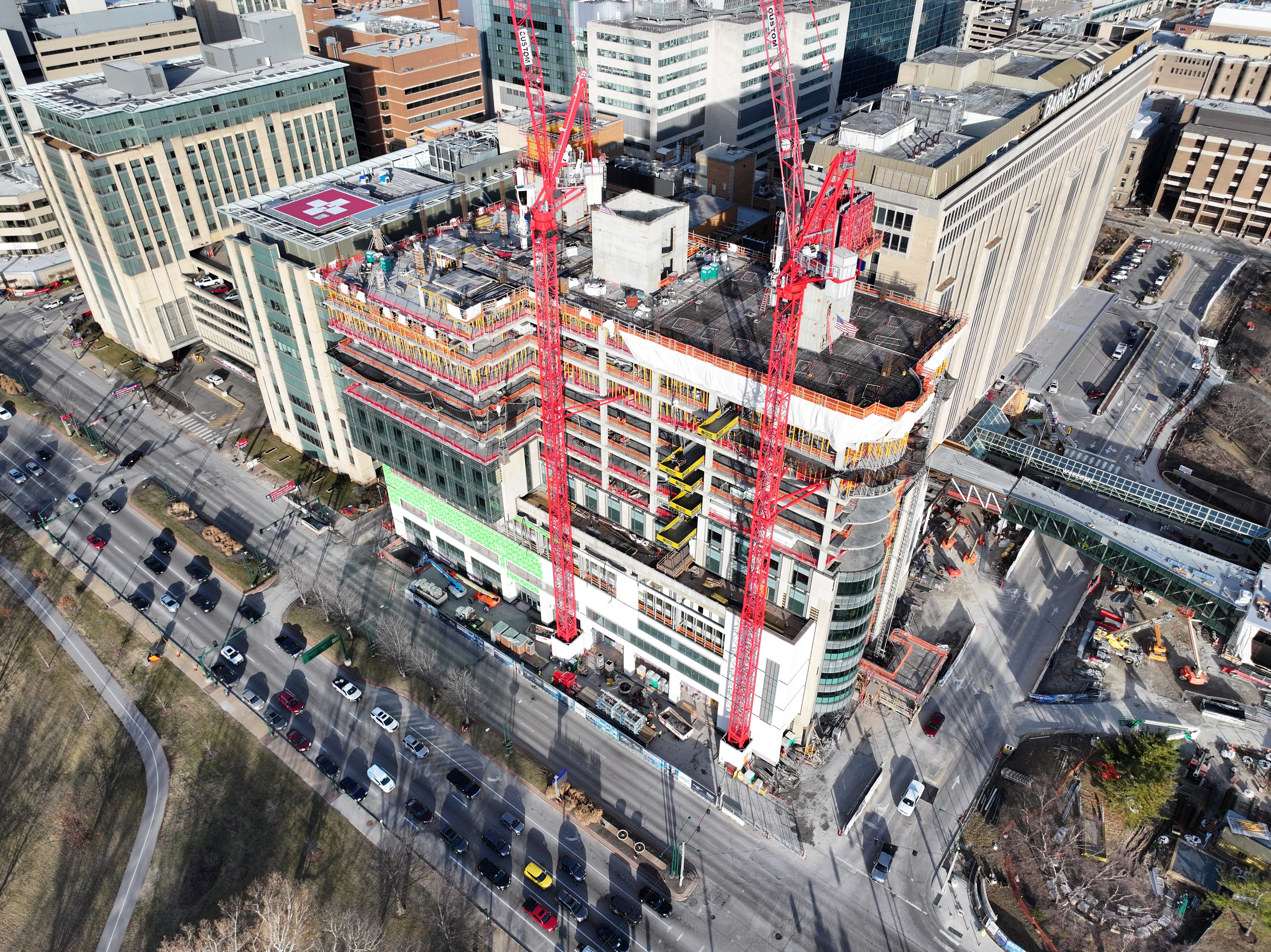
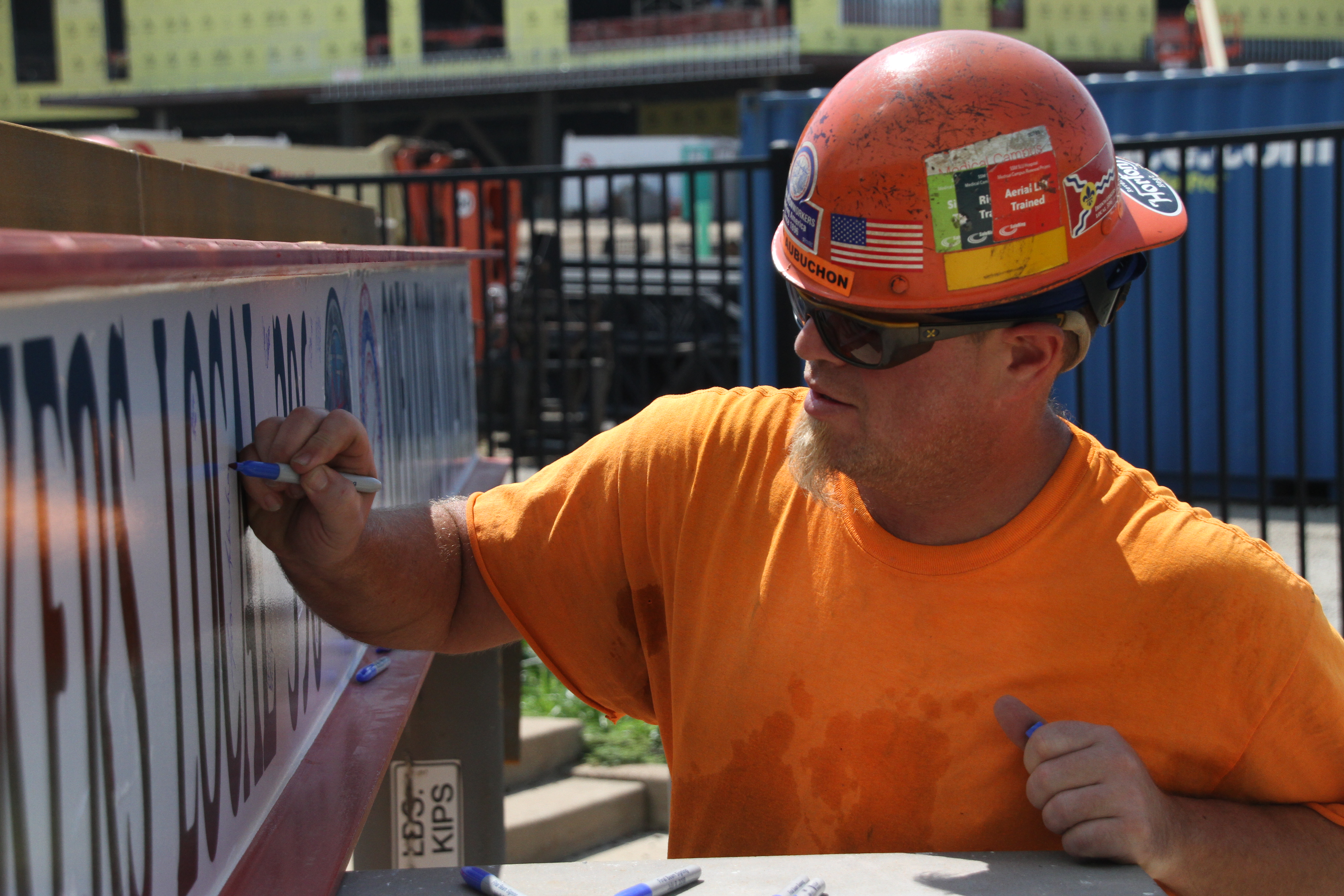
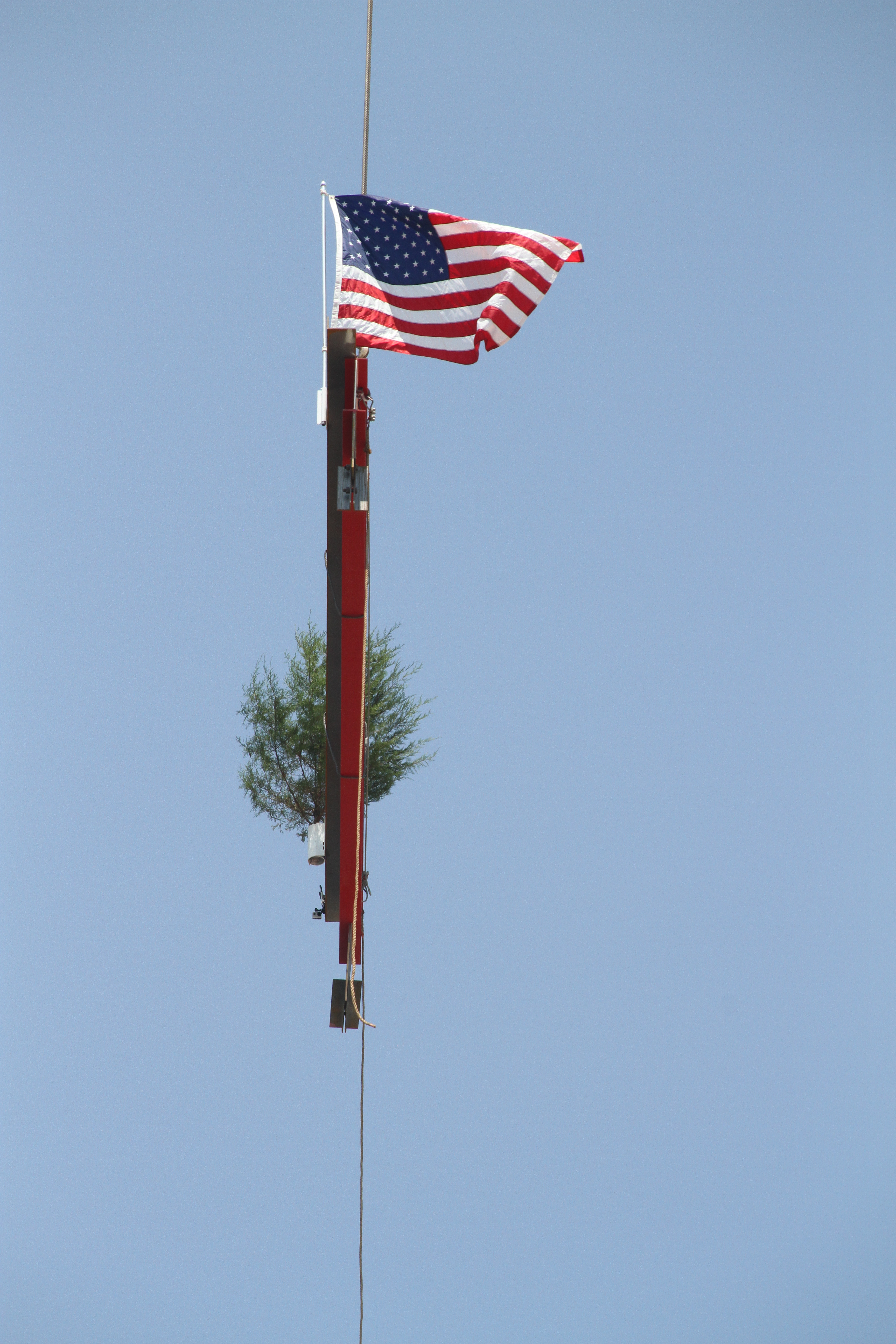
- Construction sites and engineering projects
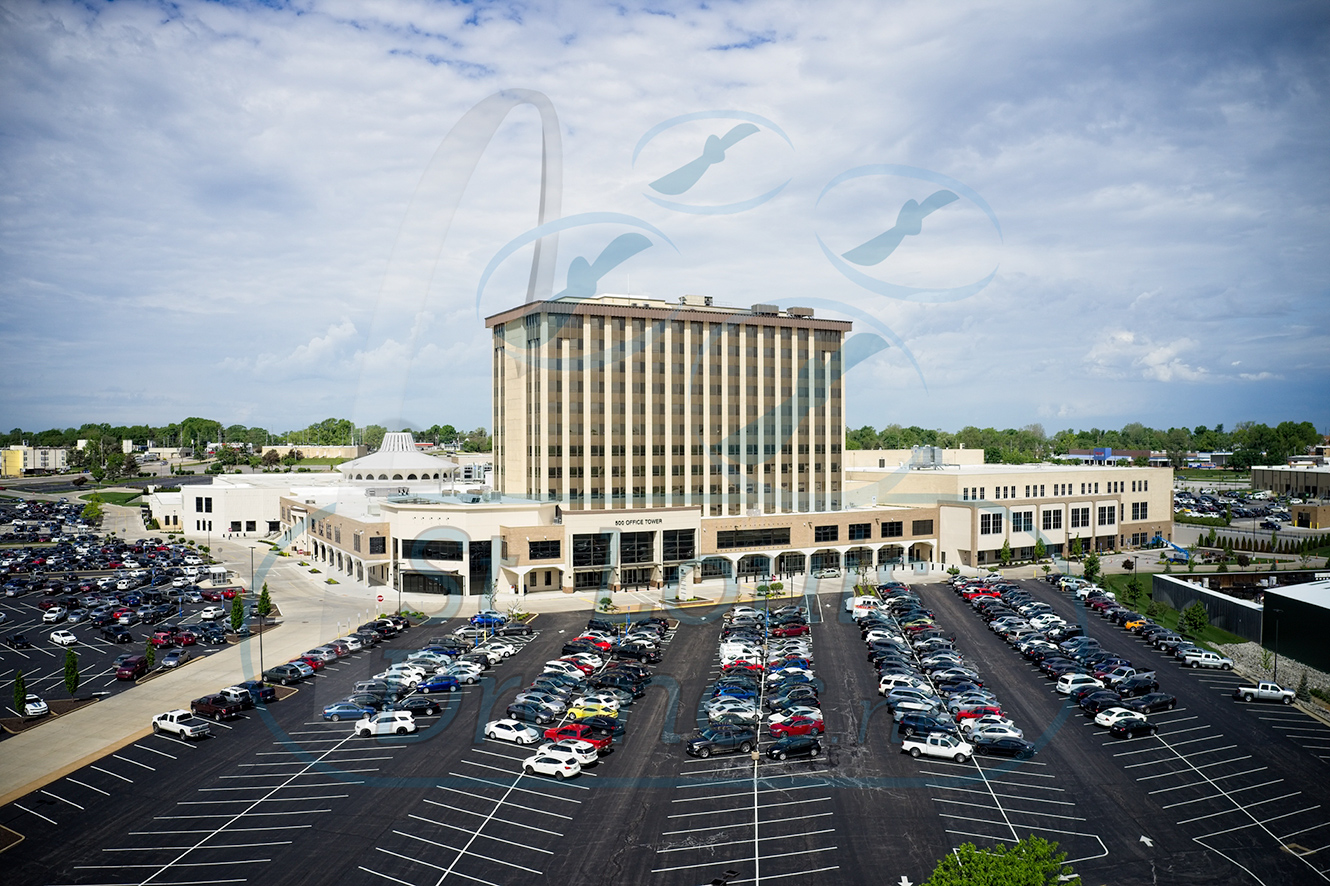
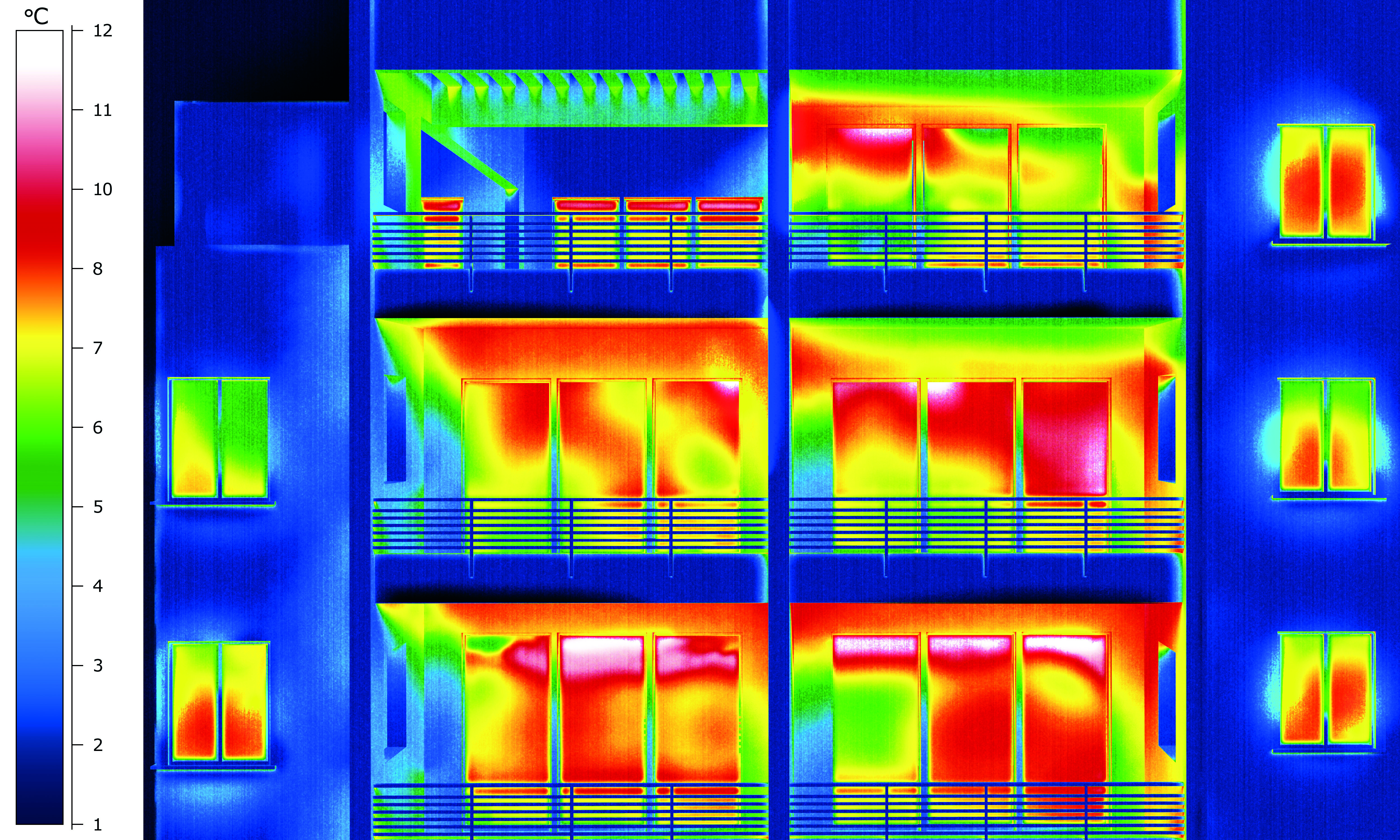
- Commercial real estate and architectural interiors
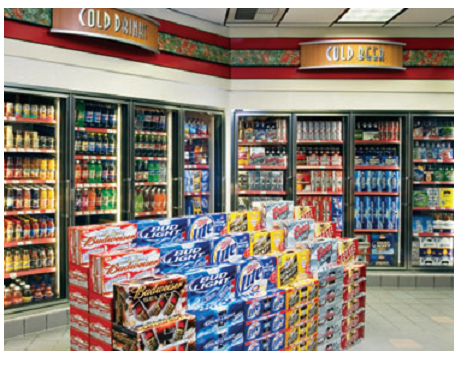
- Hospitality facilities, restaurants, and retail businesses
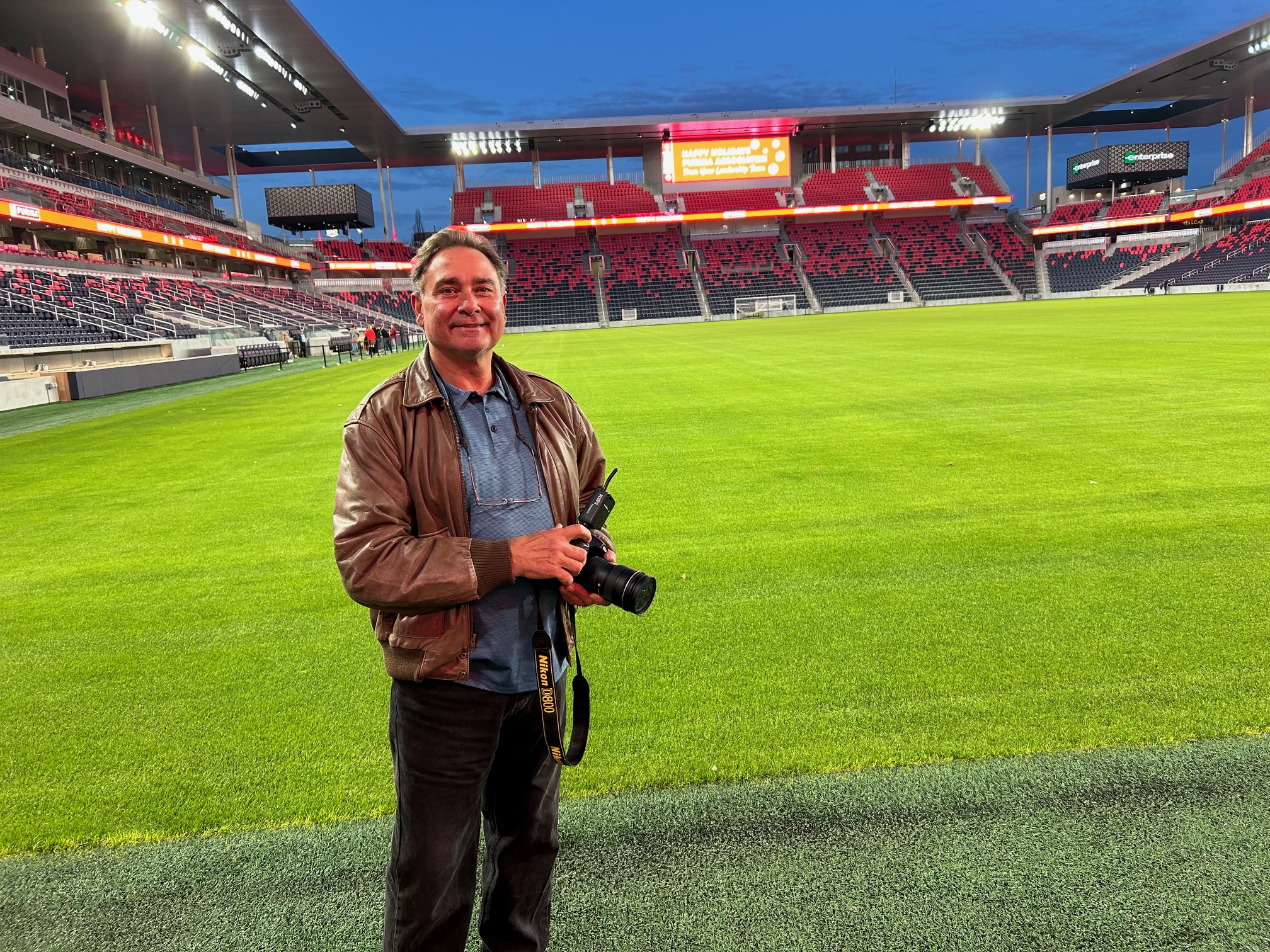
- Conferences, corporate meetings, and special events
- Employee recruitment, workplace culture, and training materials


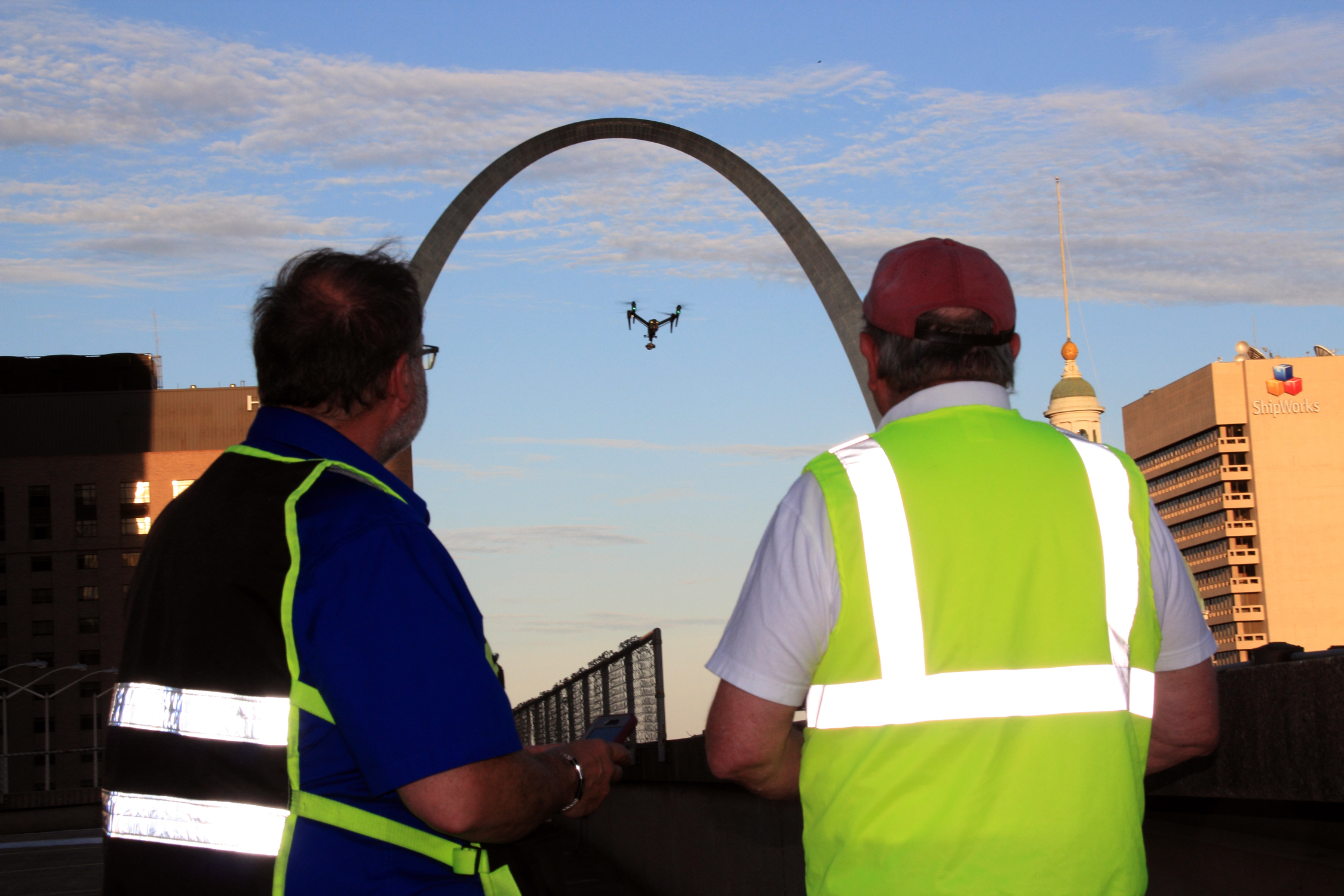


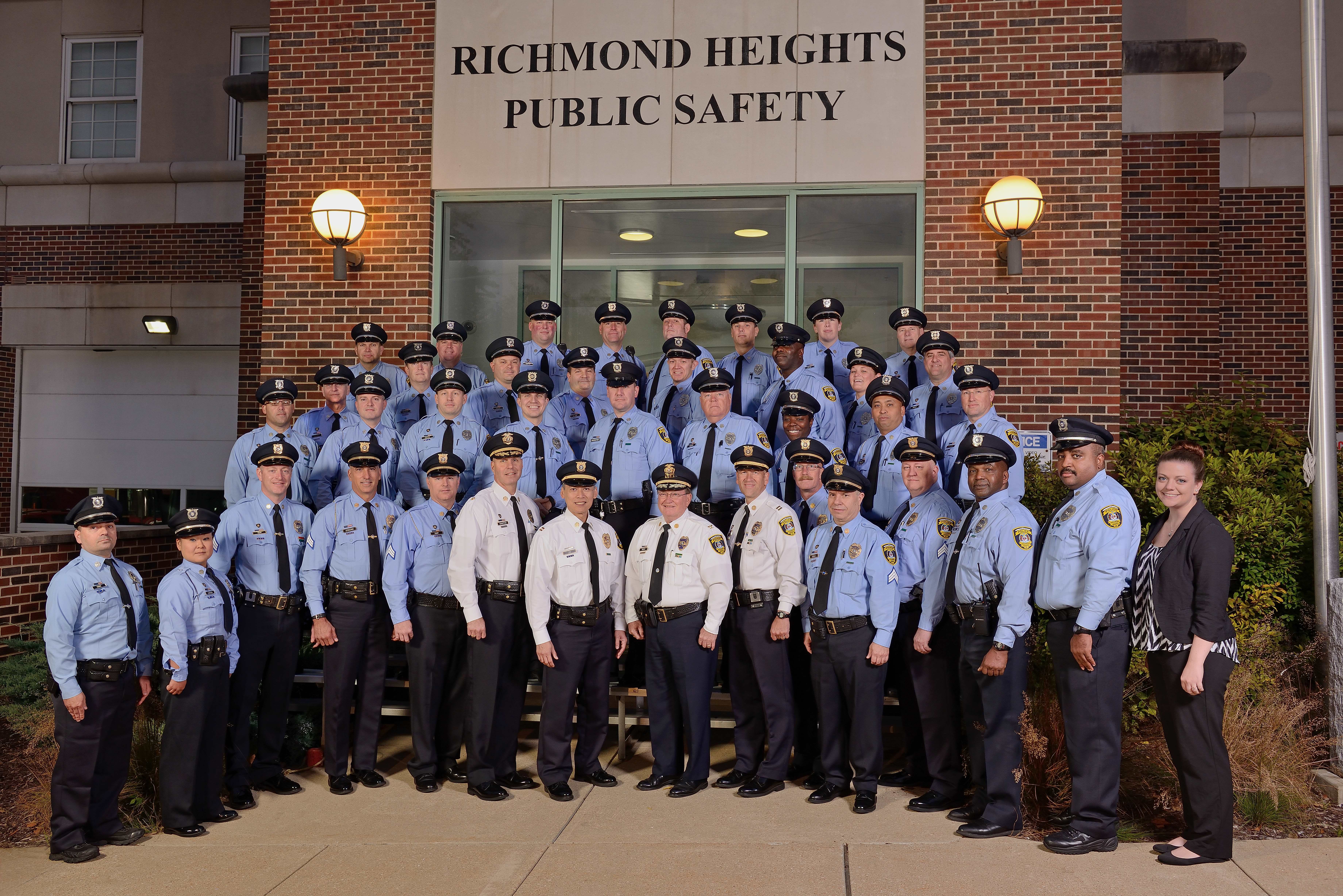
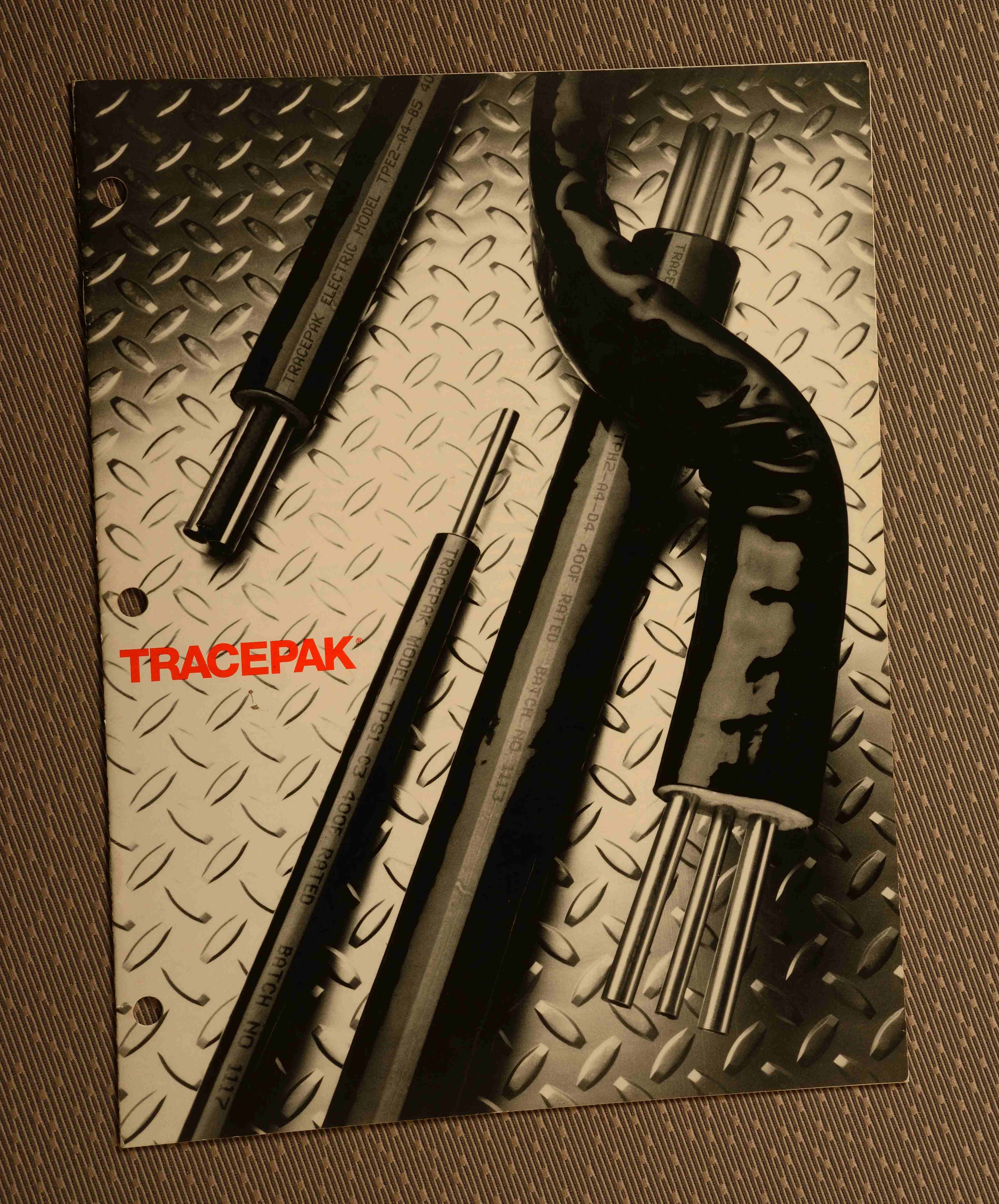

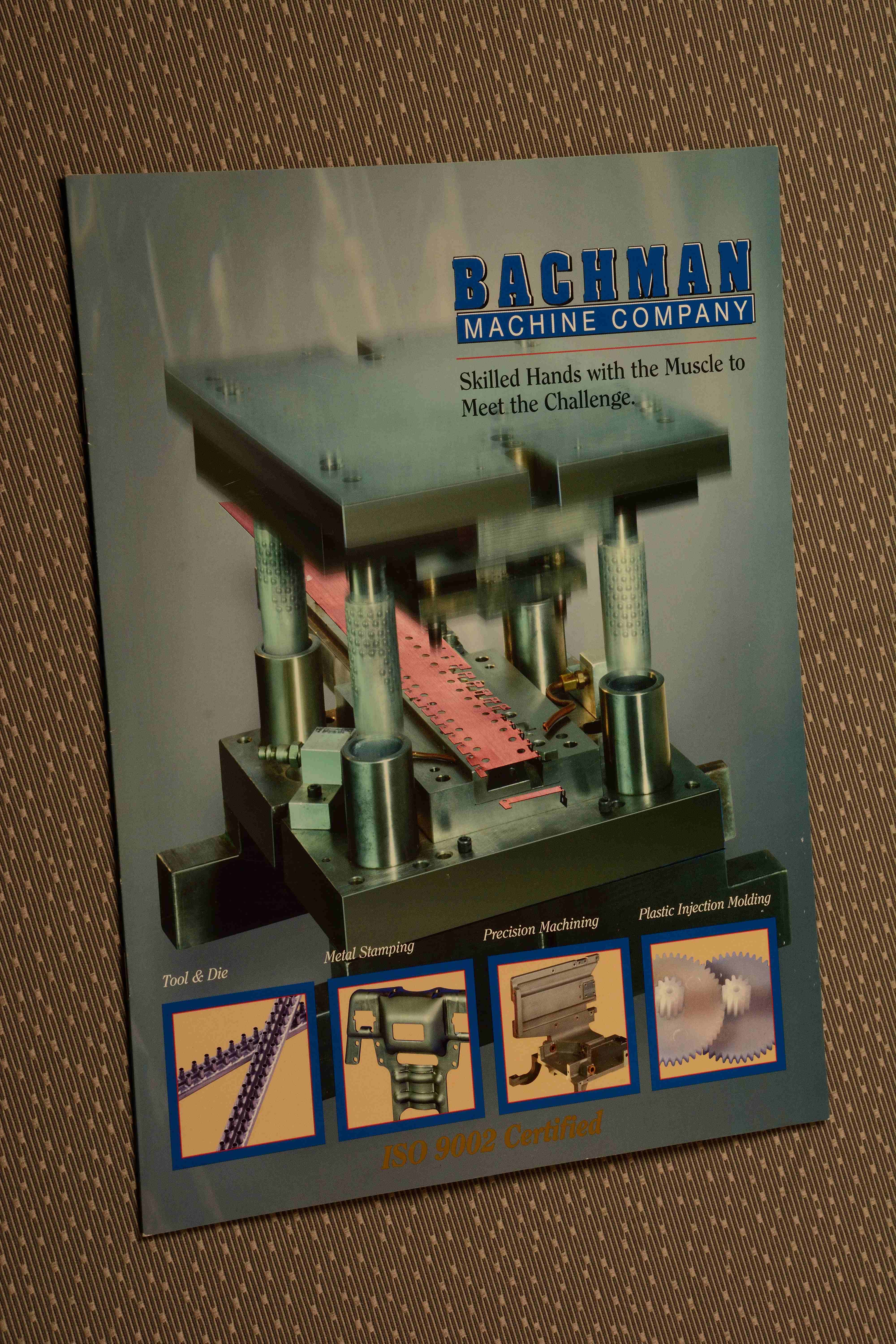
An experienced location photographer looks beyond the obvious image.
Camera placement, lighting direction, architectural lines, background distractions, employee positioning, and the relationship between people and their surroundings all contribute to a successful commercial photograph.
For example, photographing an employee operating industrial equipment requires more than documenting the machinery. An effective image should communicate the employee’s expertise, the scale of the operation, and the company’s professional capabilities while maintaining appropriate workplace safety procedures.
That level of visual storytelling requires planning and production experience.
Choosing the Right Studio and Location Photography Partner
When evaluating commercial photographers and video production companies, marketing directors should consider more than portfolios and estimated production costs.
A successful production partner needs to understand the business objectives behind the assignment.
Important questions include whether the company provides both studio and location services, has the crew and equipment appropriate for the project, can manage production logistics, and offers editing and post-production.
Decision-makers should also evaluate experience with their industry, technical delivery capabilities, scheduling flexibility, insurance, relevant professional licensing, and the ability to repurpose original assets.
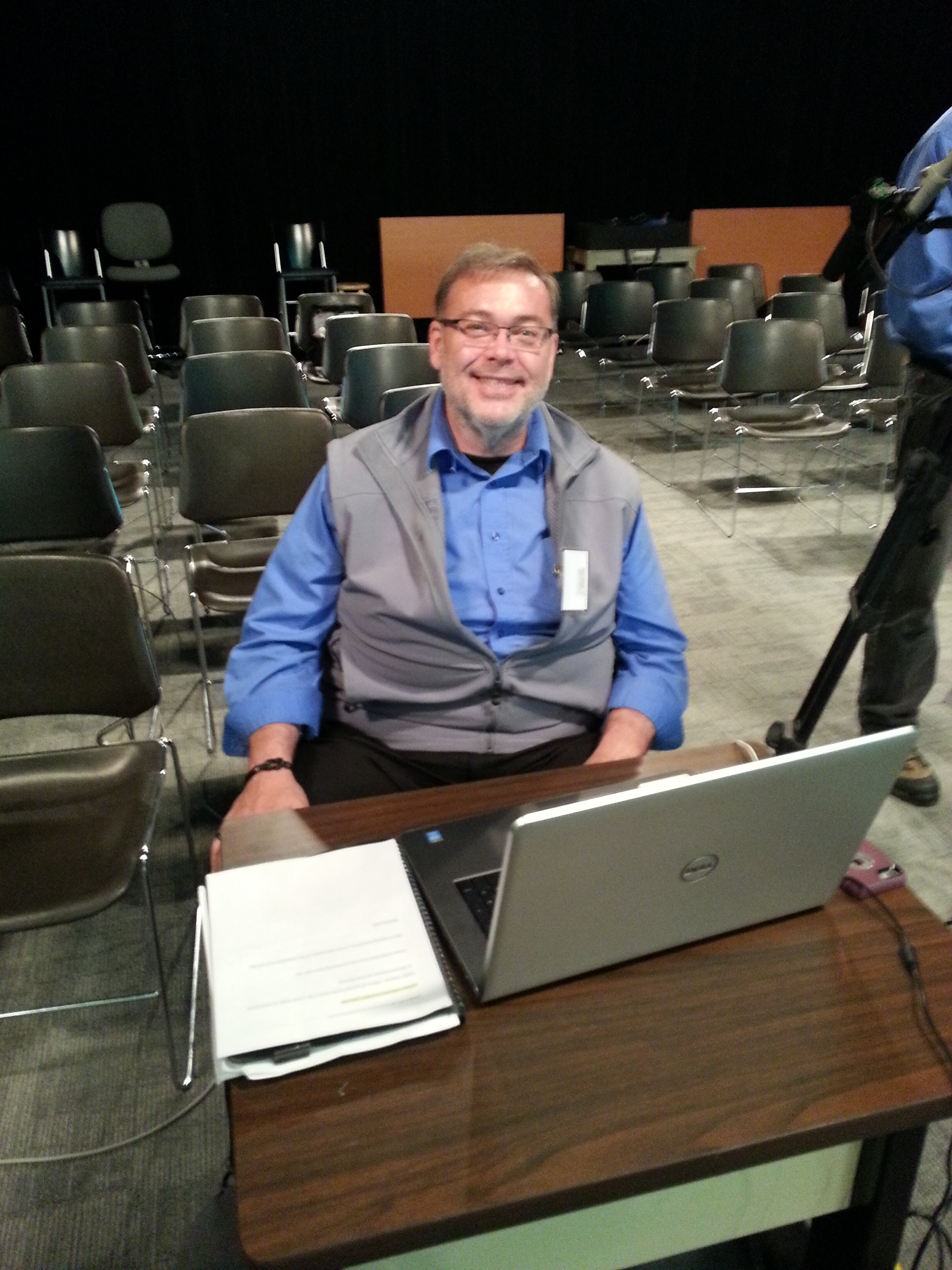
Mike Haller, Senior Shooter
4501 Mattis Road St. Louis, MO 63128