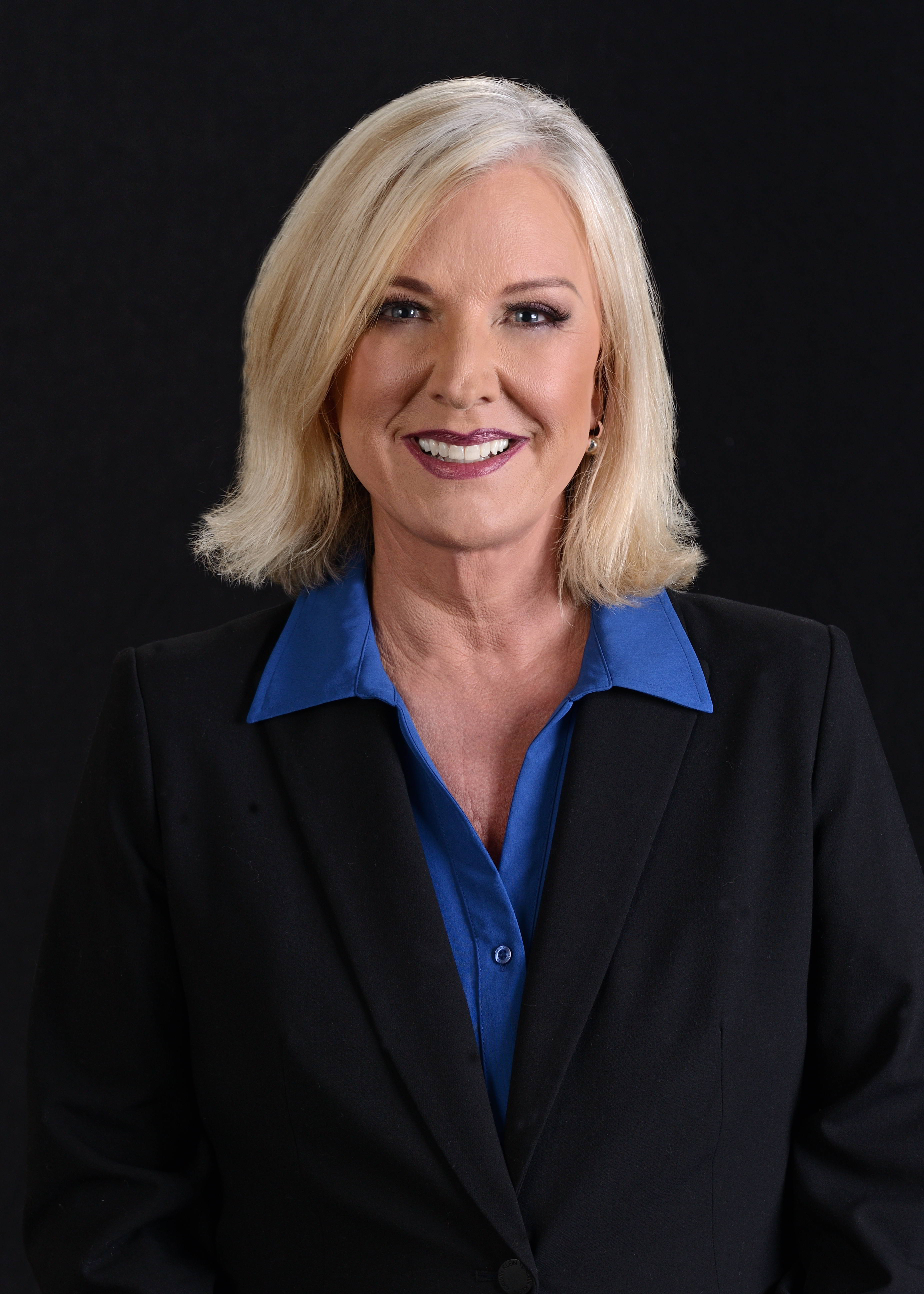
Professional Attorney Headshots and Social Media Videos: Building Trust, Credibility, and a Stronger Law Firm Brand

How Professional Photography and Short-Form Video Help St. Louis Attorneys Connect With Clients, Strengthen Their Online Presence, and Differentiate Their Legal Services

In today’s competitive legal marketplace, prospective clients often form their first impressions of an attorney long before scheduling a consultation. They visit law firm websites, review attorney biographies, search Google, browse LinkedIn profiles, and watch videos on social media to determine which legal professionals appear knowledgeable, approachable, and trustworthy.

For attorneys and law firms, professional headshot photography and short-form social media video production have become essential components of effective legal marketing.

A polished attorney portrait communicates professionalism and confidence, while a carefully produced video introduces prospective clients to the attorney’s personality, communication style, and legal experience.

Together, these visual marketing tools create a stronger personal connection and help law firms stand apart in an increasingly crowded marketplace.

At St Louis Photographers, we understand that successful attorney photography and legal video marketing require more than excellent cameras and lighting. They demand thoughtful planning, professional direction, appropriate messaging, consistent branding, and an understanding of how attorneys communicate with their clients.

Whether photographing an individual attorney, producing coordinated portraits for an entire law firm, or creating a series of short educational videos, our professional photography and video production crews help St. Louis legal professionals develop compelling visual content designed for modern marketing platforms.

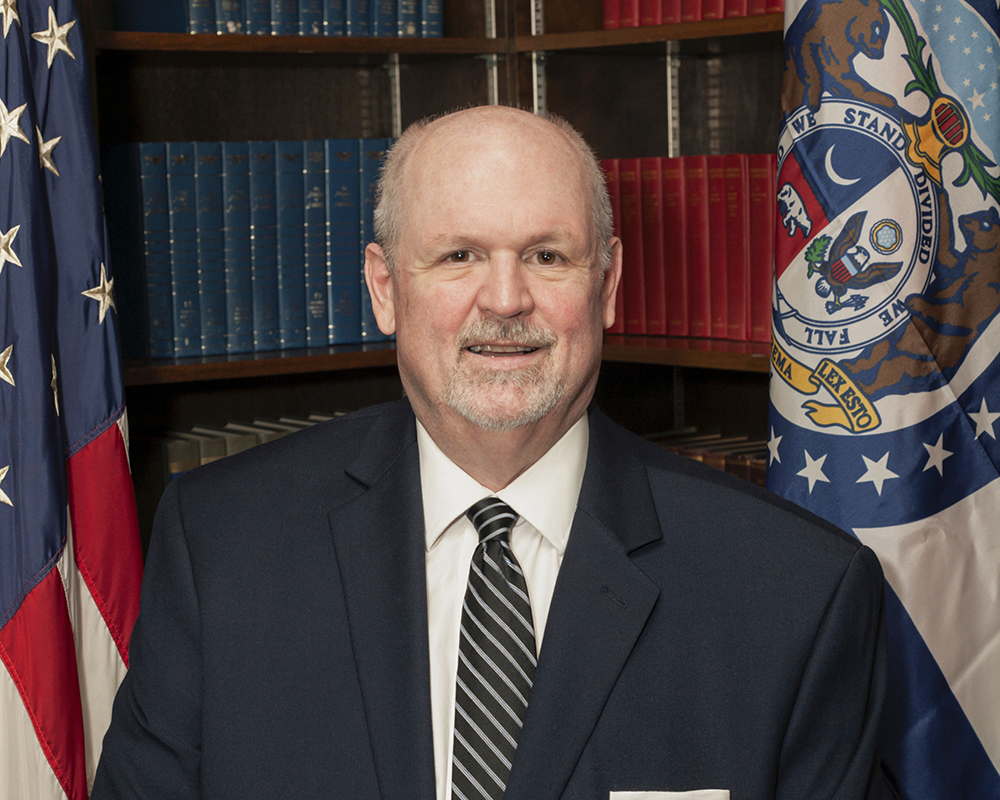
Why Professional Headshots Matter for Attorneys and Law Firms

<text weight=”medium”>Your Professional Image Is Part of Your Legal Brand</text>

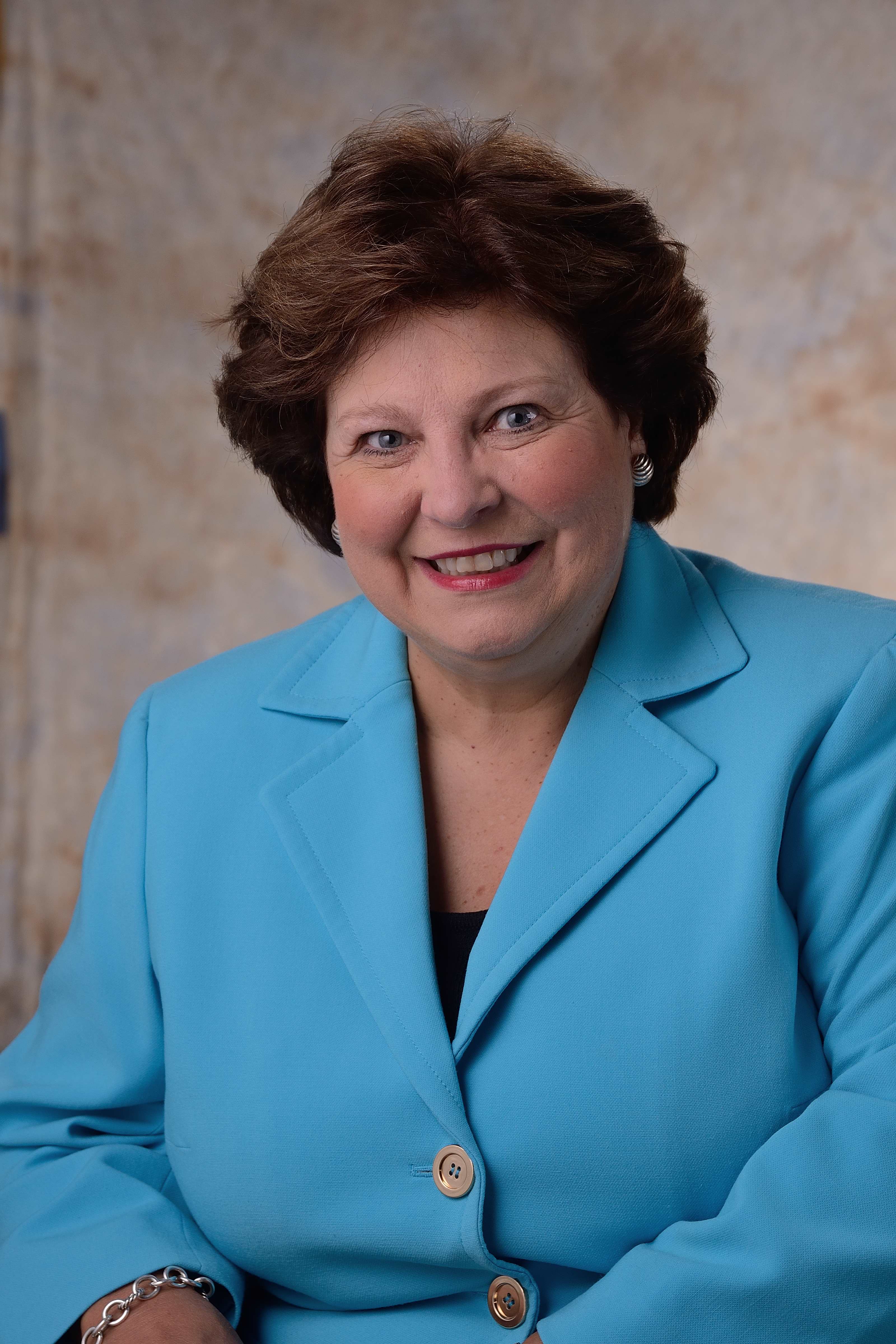
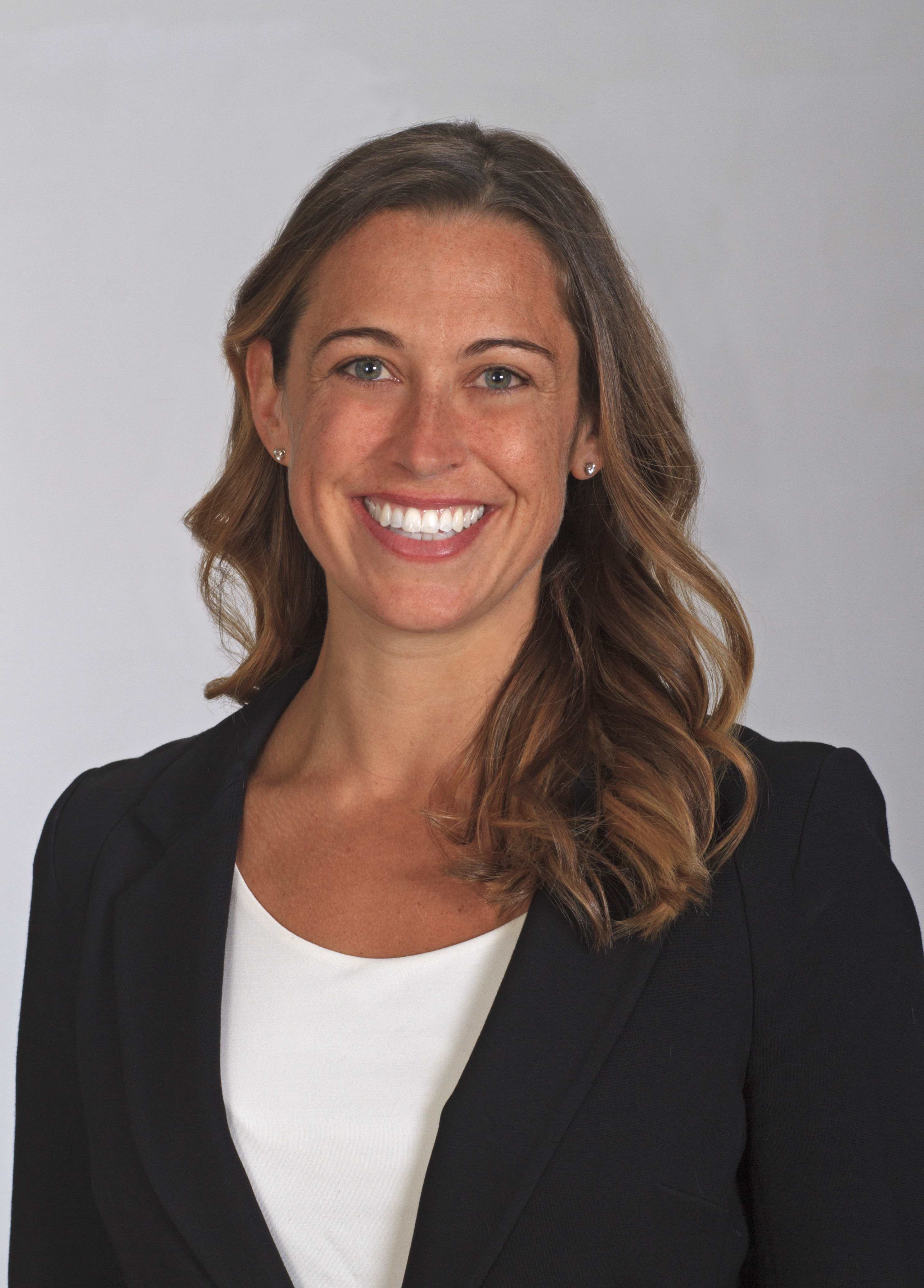
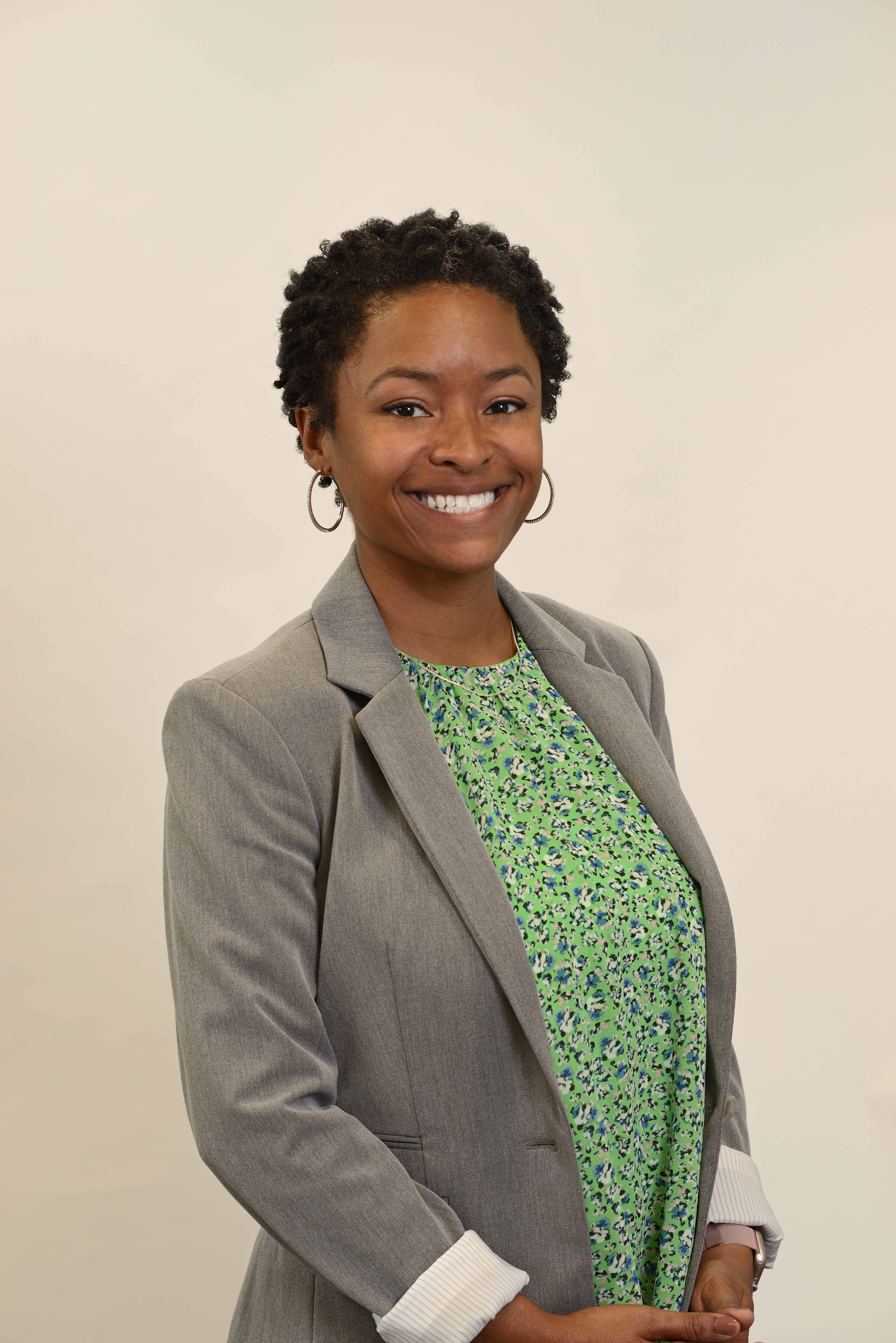
An attorney’s professional portrait may appear on dozens of platforms, including law firm websites, professional directories, LinkedIn profiles, legal publications, speaking engagement announcements, press releases, and digital advertising campaigns.

An outdated, poorly lit, or inconsistent headshot can undermine the professionalism conveyed by an otherwise well-designed law firm website.

Conversely, a high-quality portrait establishes a positive first impression and helps communicate the qualities that prospective clients frequently seek in legal representation:

  • Professionalism and credibility
  • Confidence and experience
  • Approachability and personal attention
  • Reliability and attention to detail
  • Consistency with the firm’s reputation and values

Professional attorney photography should accomplish more than simply documenting an individual’s appearance. It should communicate the professional identity of both the lawyer and the firm.

For example, a corporate attorney may benefit from a sophisticated portrait featuring contemporary office architecture, while a family law attorney might prefer a warmer, more approachable presentation.

The appropriate photographic style depends on the attorney’s practice area, target audience, marketing objectives, and desired professional image.
Studio Headshots Versus Environmental Attorney Portraits

One of the first considerations when planning an attorney photography session is selecting the appropriate setting.

Both traditional studio portraits and environmental photography offer distinct marketing advantages.

Traditional Studio Headshots

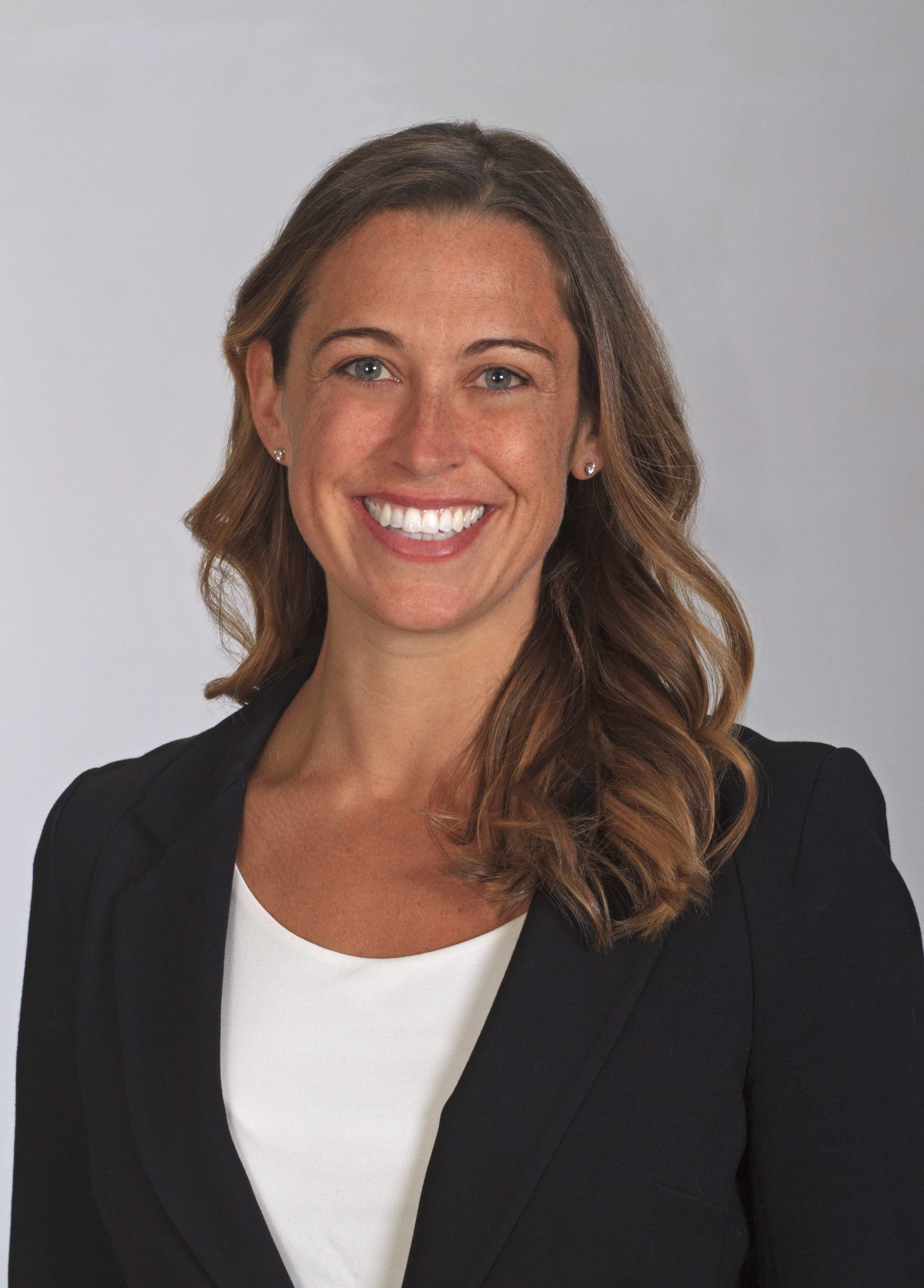
Studio headshots are ideal for law firms seeking a consistent, professional appearance across their attorney biographies and marketing materials.

A controlled studio environment allows photographers to precisely manage lighting, backgrounds, camera positioning, and facial expression.

Professional studio portraits provide several advantages:

  • Consistent lighting and image quality
  • Coordinated backgrounds across multiple attorneys
  • Minimal visual distractions
  • Efficient sessions for busy legal professionals
  • Reliable color and exposure matching
  • Flexible cropping for websites and professional directories

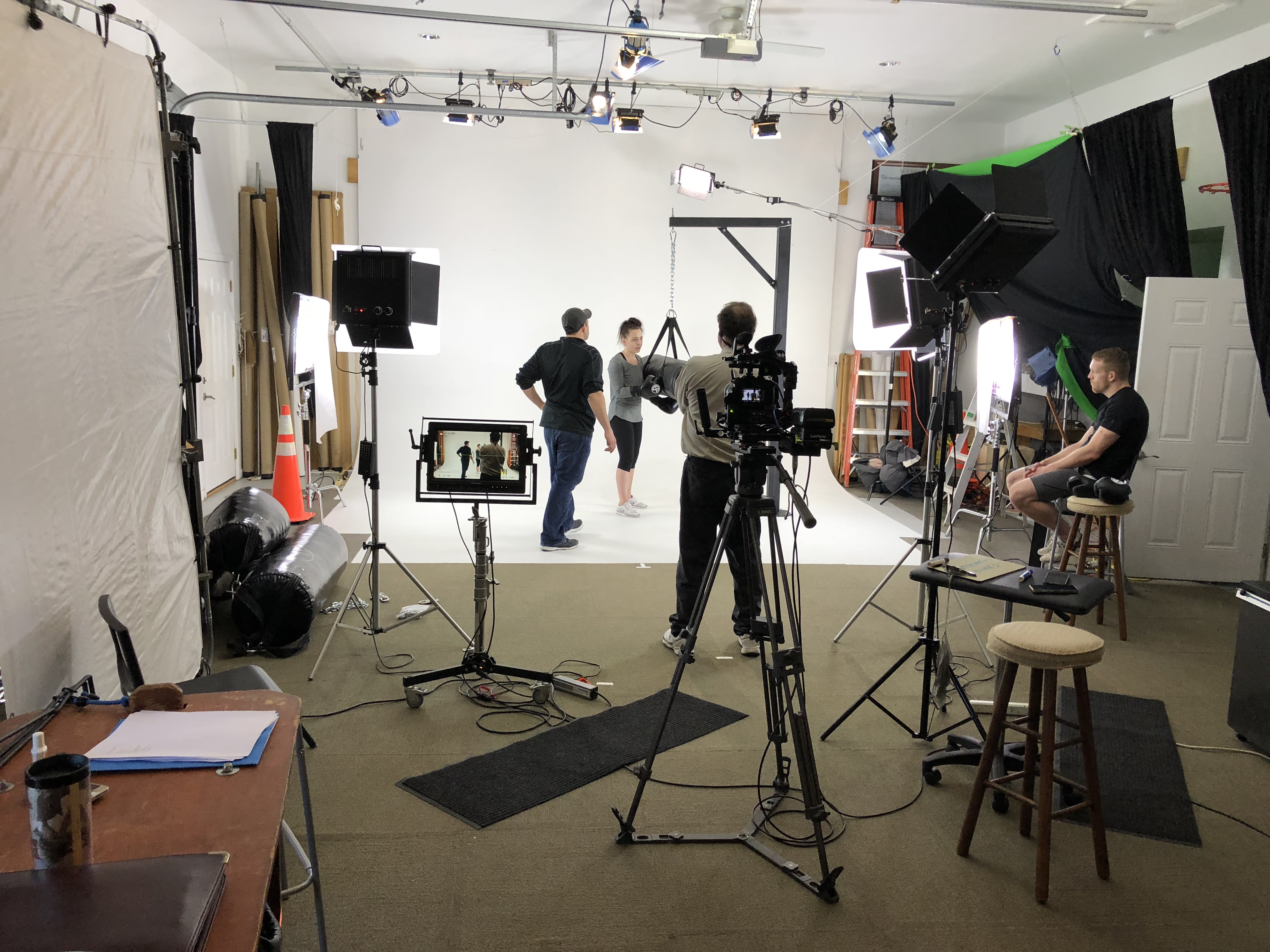
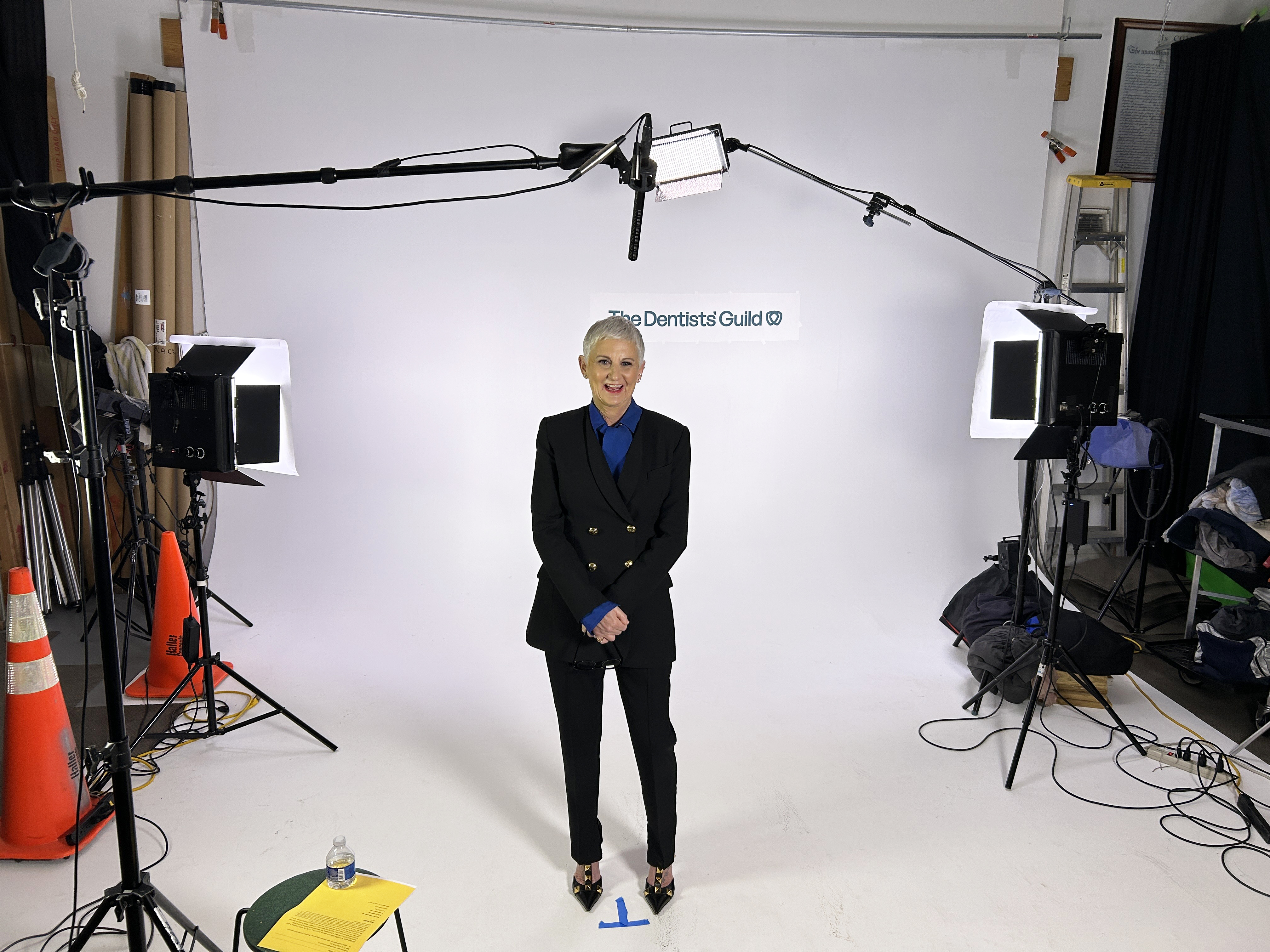
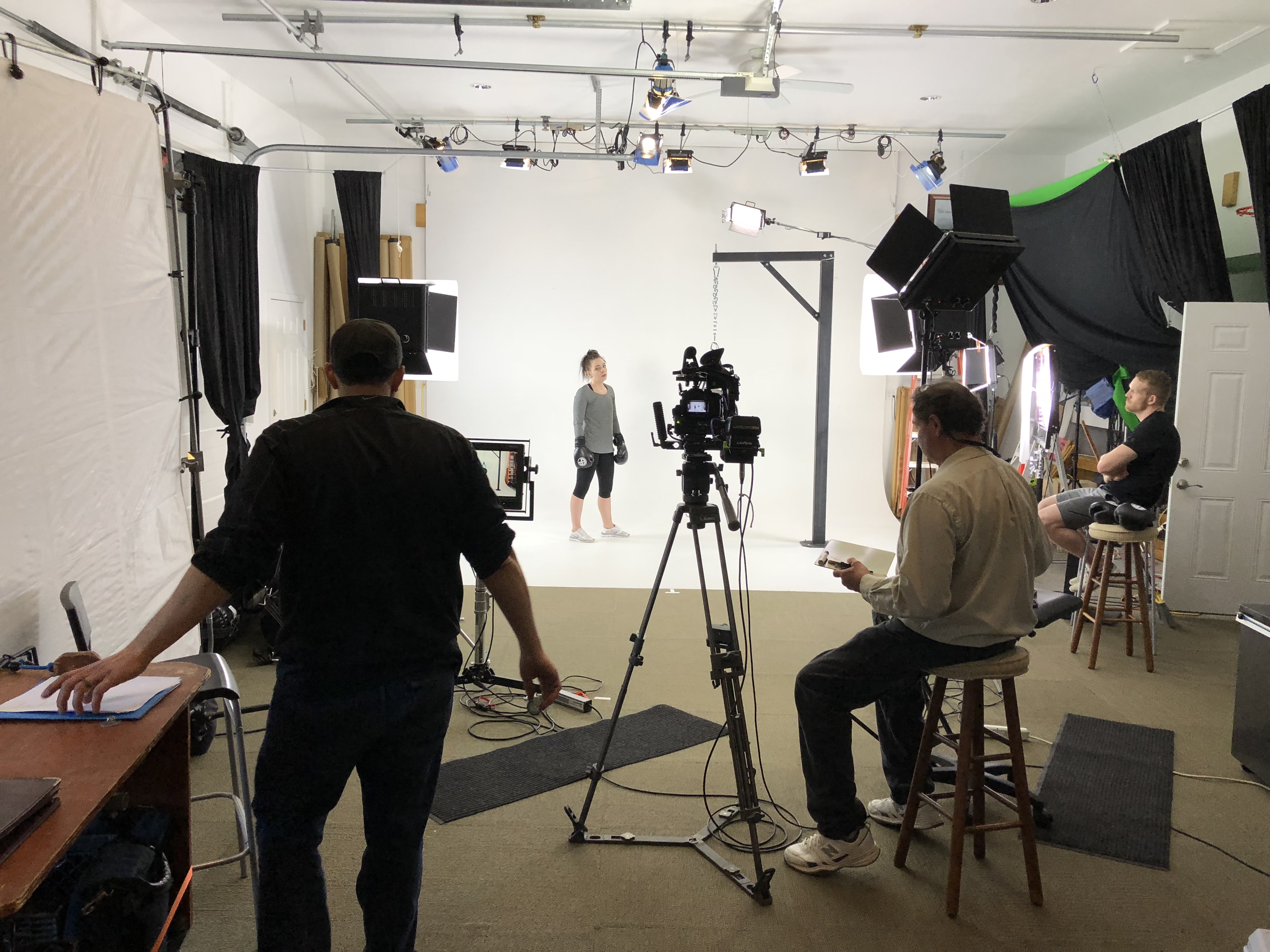
Our private photography studio at St Louis Photographers provides controlled professional lighting, interchangeable background options, and flexible shooting arrangements.

For larger firms, we can also establish a mobile headshot station directly at the client’s office, reducing interruptions to attorneys’ schedules.


Environmental Attorney Portraits

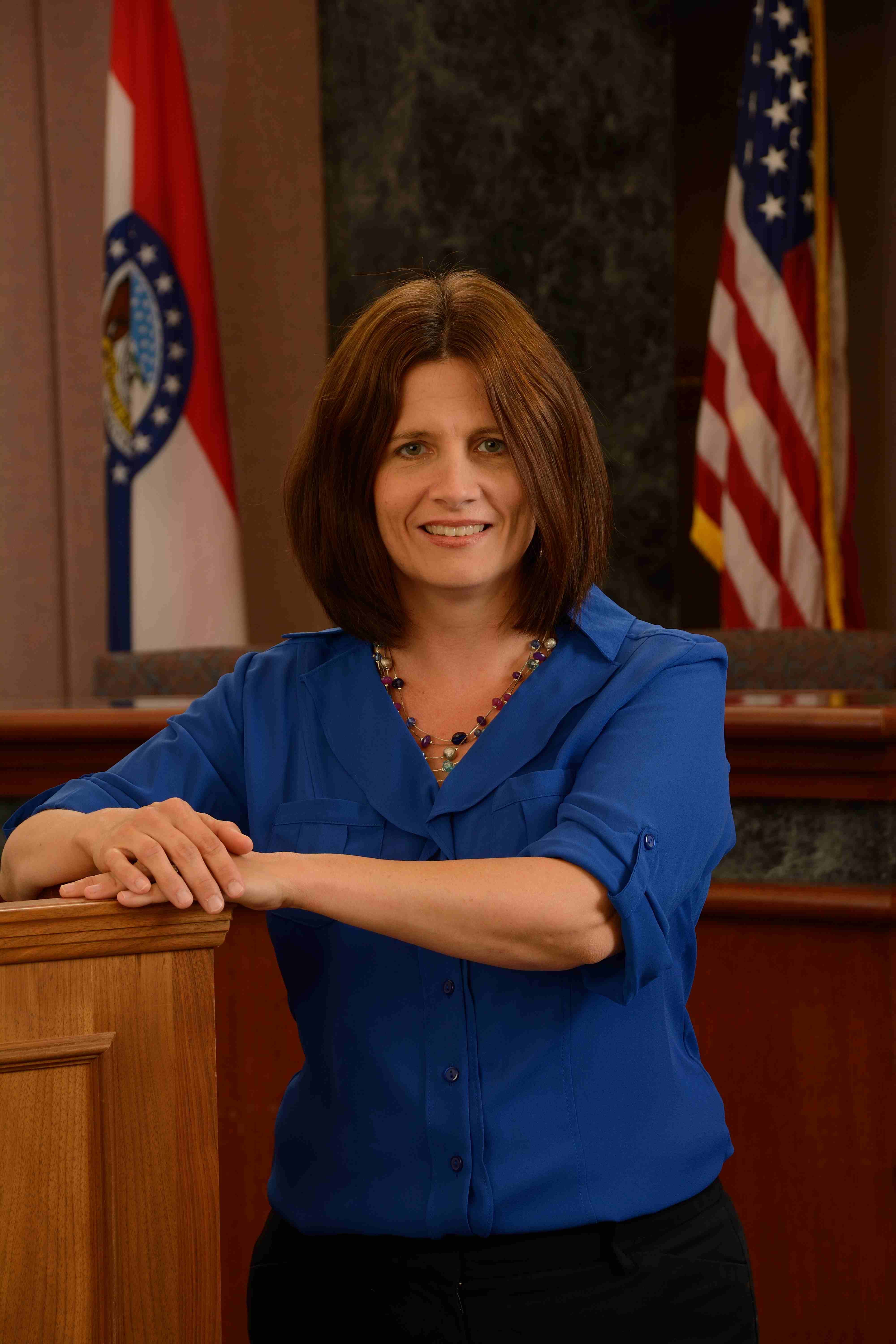
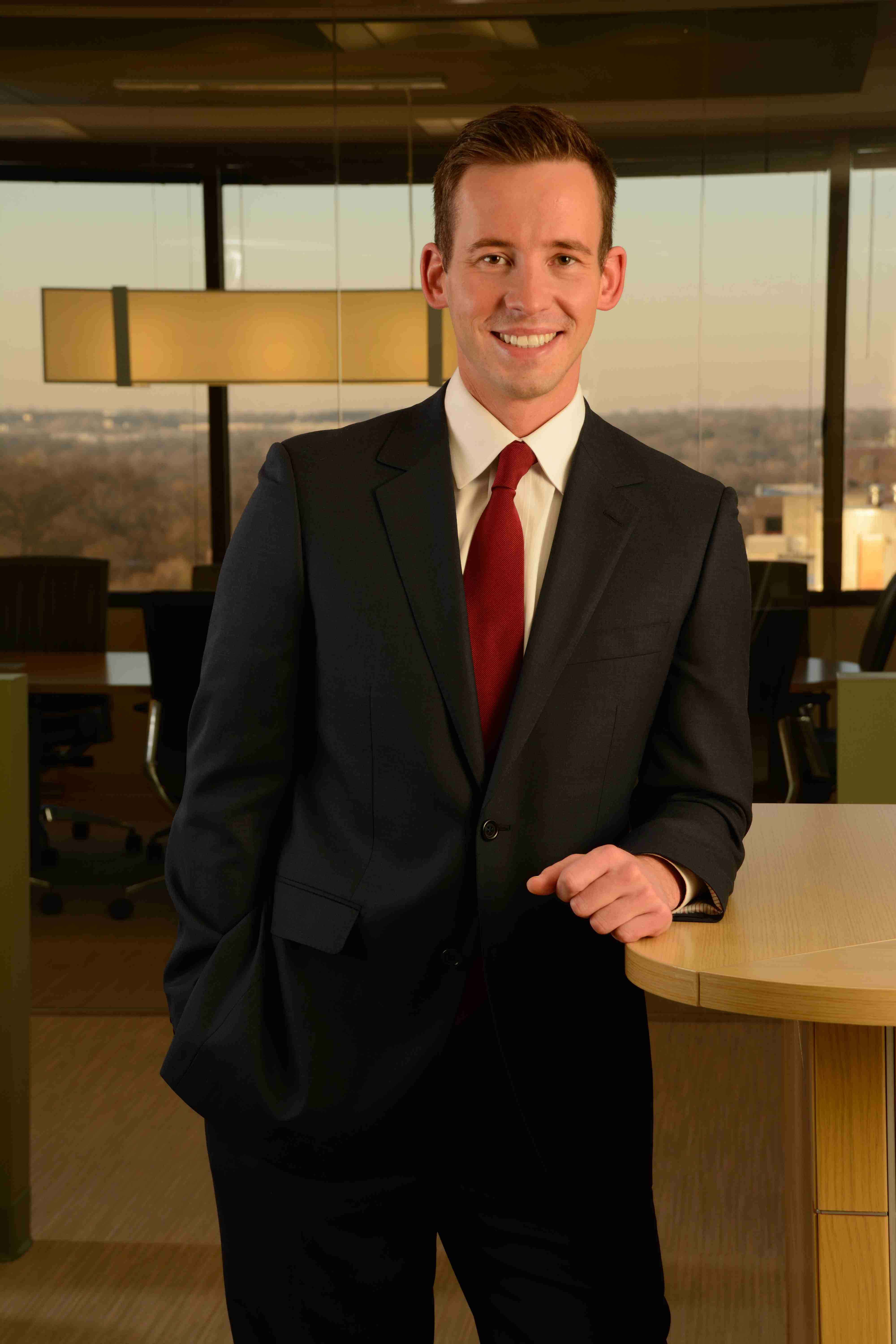
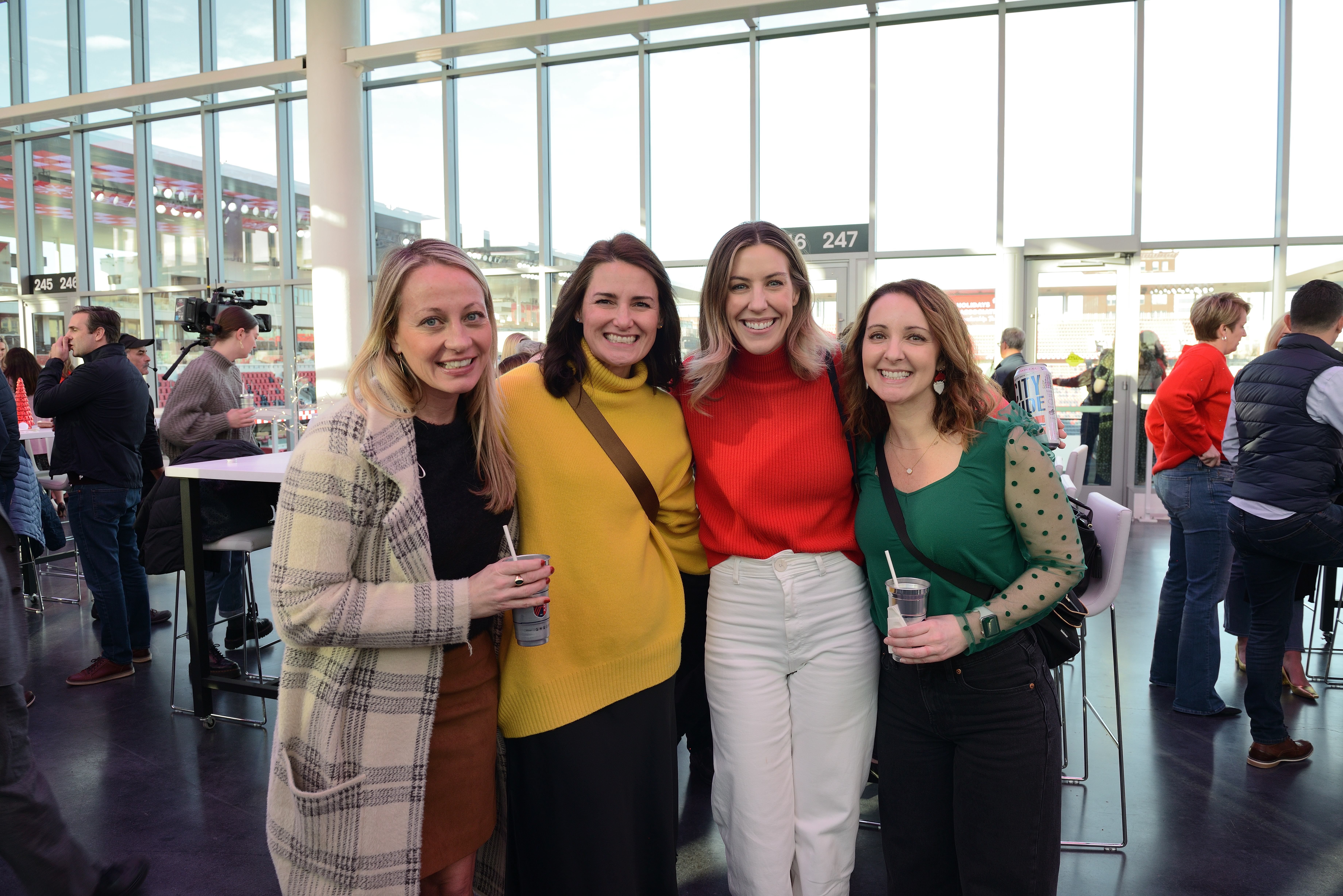
Environmental portraits show attorneys in meaningful professional surroundings.

Examples include attorneys photographed in conference rooms, firm libraries, modern office spaces, reception areas, and architectural settings.

These photographs can communicate the character of a law firm while providing greater visual variety for its marketing materials.

Environmental portraits are particularly useful for website homepages, feature articles, recruitment campaigns, annual reports, and practice-area landing pages.

Our experienced photographers carefully evaluate available lighting, backgrounds, architectural features, and composition to create portraits that remain professional while reflecting the firm’s identity.

Combining Both Approaches

Many successful law firm photography projects include both traditional headshots and environmental portraits.

This combination creates a versatile image library that marketing departments can use across multiple platforms without repeatedly scheduling new photography sessions.

Coordinated Headshots for an Entire Law Firm

Consistency is especially important when photographing multiple attorneys.

Law firm websites frequently suffer from a mixture of photography styles. One attorney may have a professionally lit studio portrait, another a casual office photograph, and another an image taken several years earlier.

When these images appear together, the presentation can look disorganized.

Coordinated law firm headshots establish a unified visual identity.

Professional photographers accomplish this through consistent lighting ratios, camera angles, backgrounds, color treatment, image dimensions, and retouching standards.

Before the photography session, our production team can work with the firm’s marketing representative to develop a practical photography plan addressing wardrobe recommendations, scheduling, background choices, image formats, and expected deliverables.

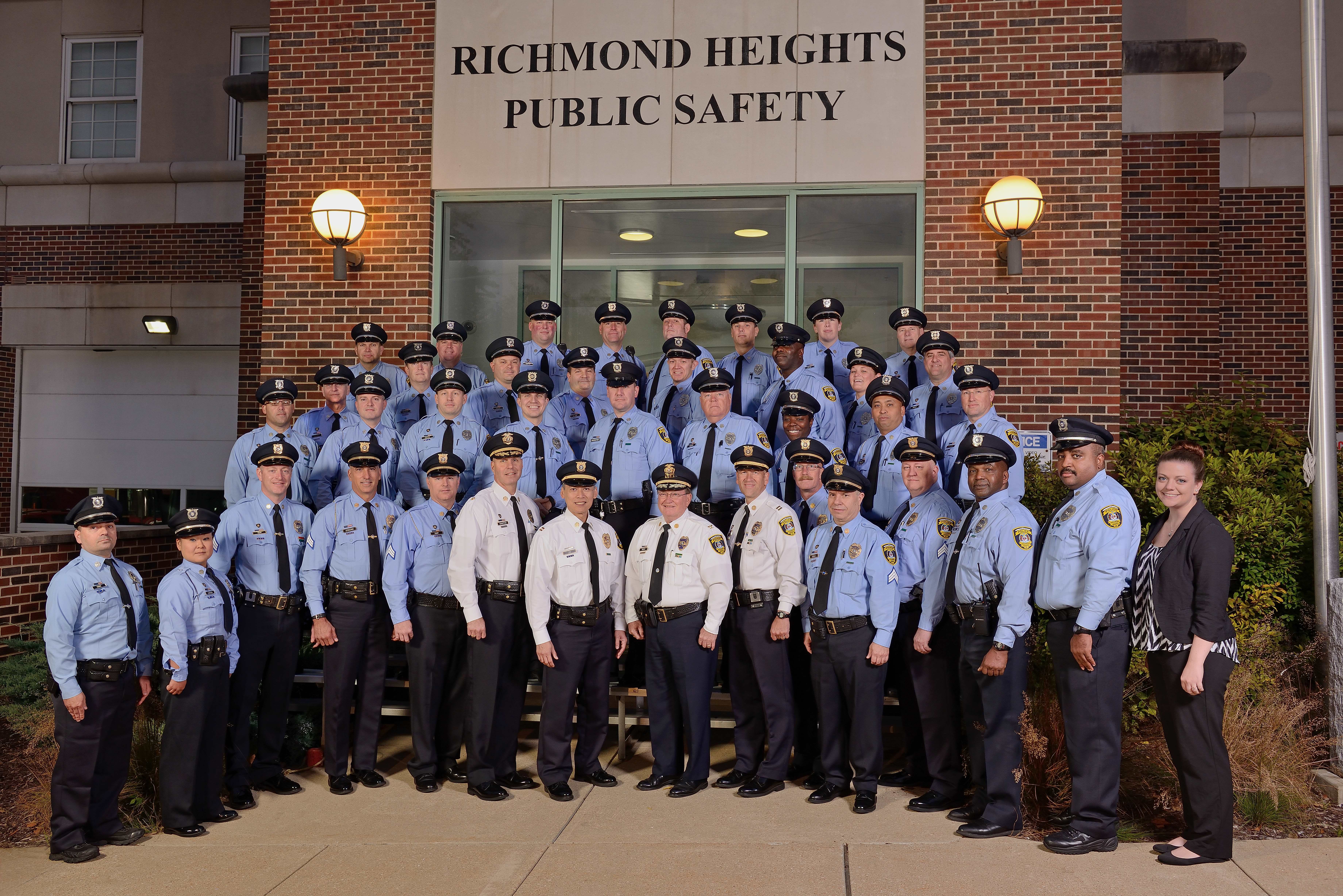
For larger organizations, photographing attorneys in scheduled groups can minimize disruptions to daily business operations.

We can also maintain consistent photographic specifications for future sessions involving newly hired associates, additional partners, or updated portraits.

This allows the firm’s photographic branding to remain recognizable as the organization grows.

Short-Form Social Media Videos: A Powerful Marketing Tool for Lawyers

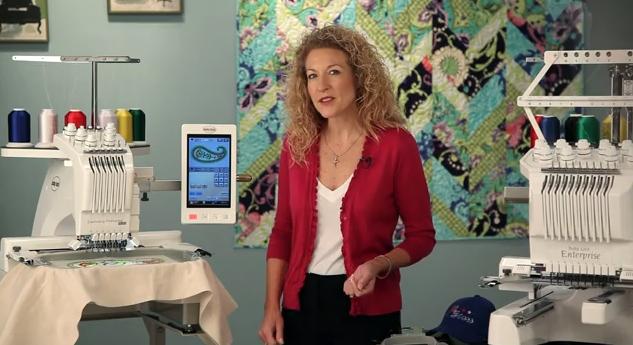
While professional photography establishes an attorney’s visual identity, video helps prospective clients understand the individual behind that image.

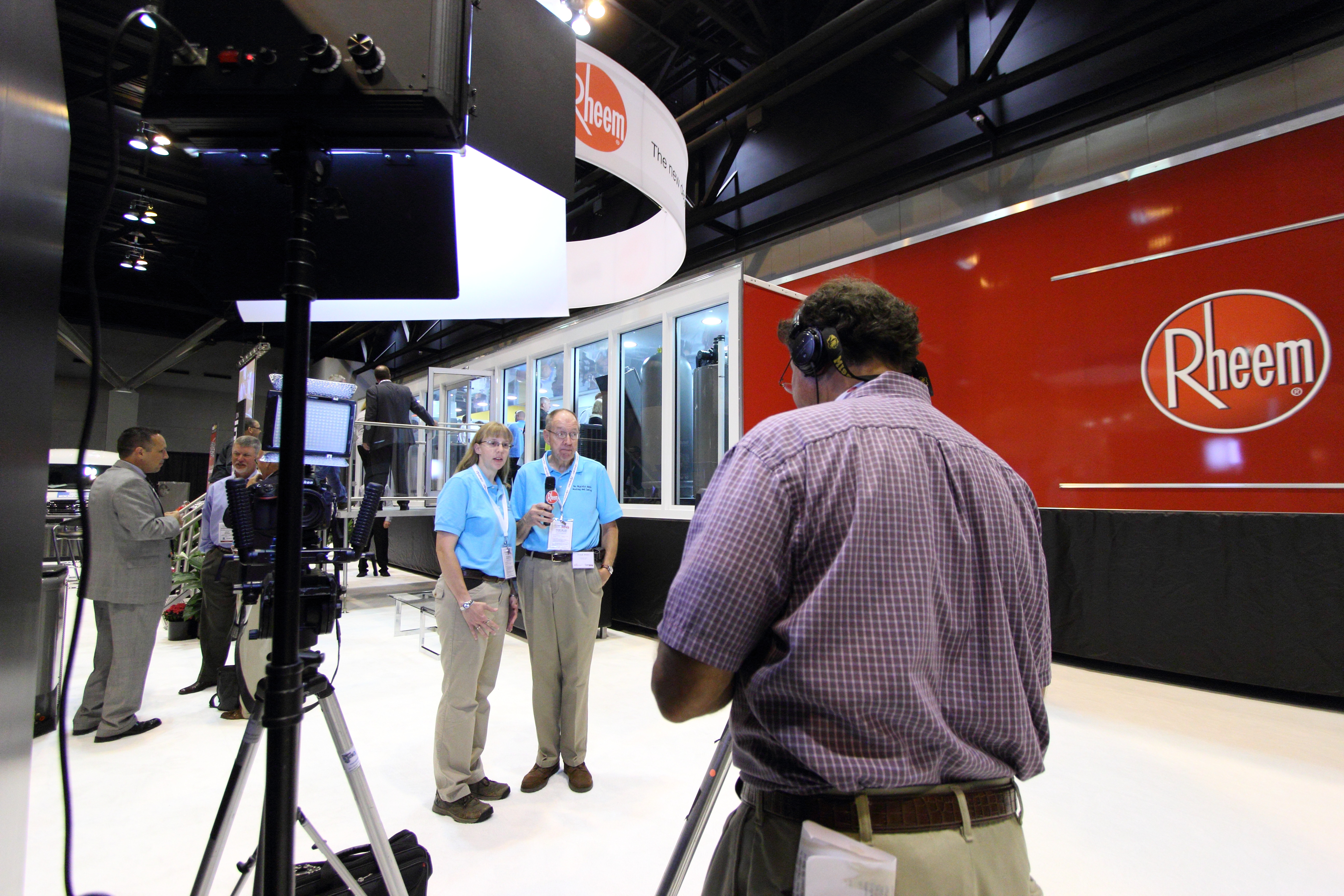
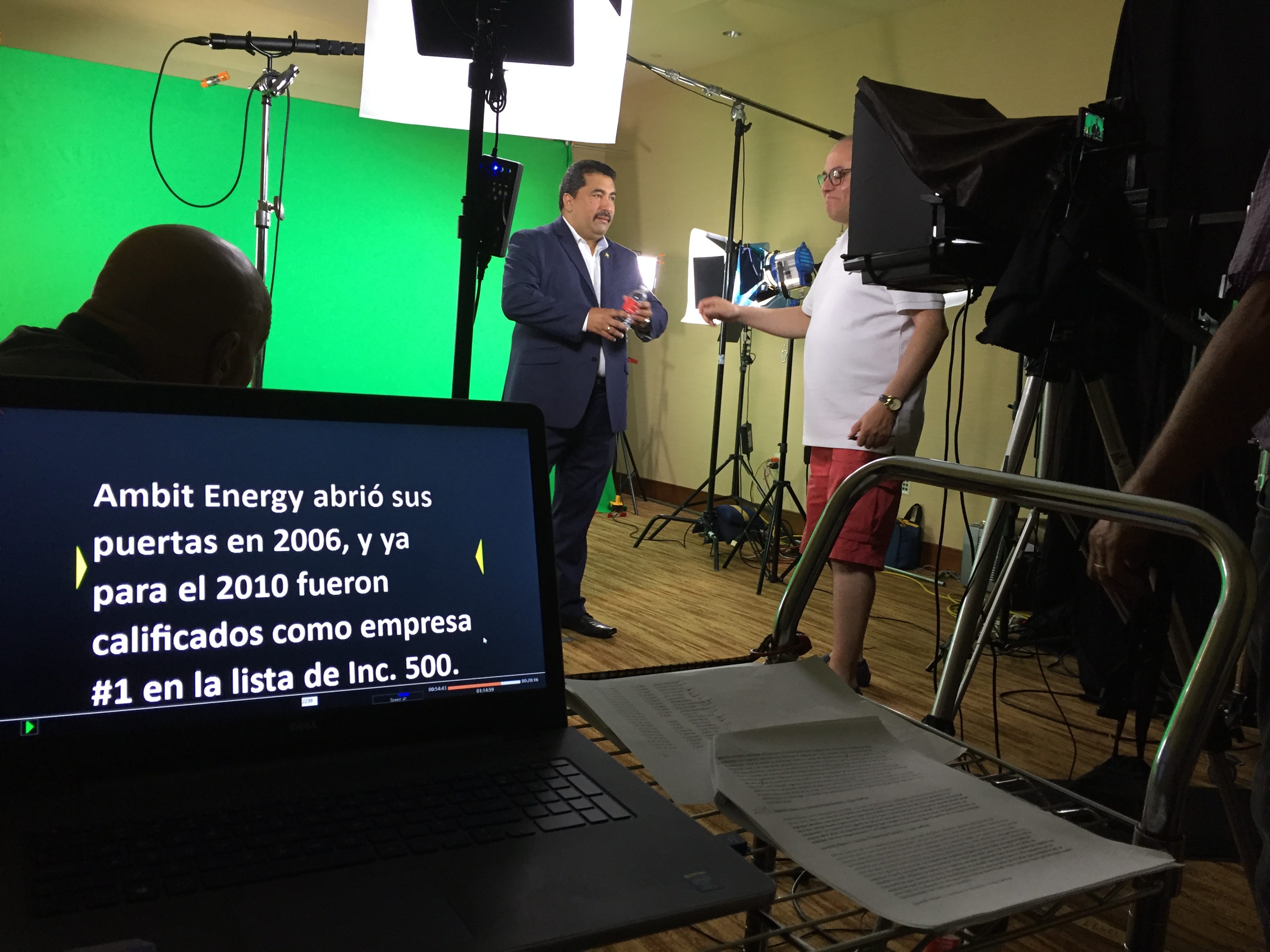
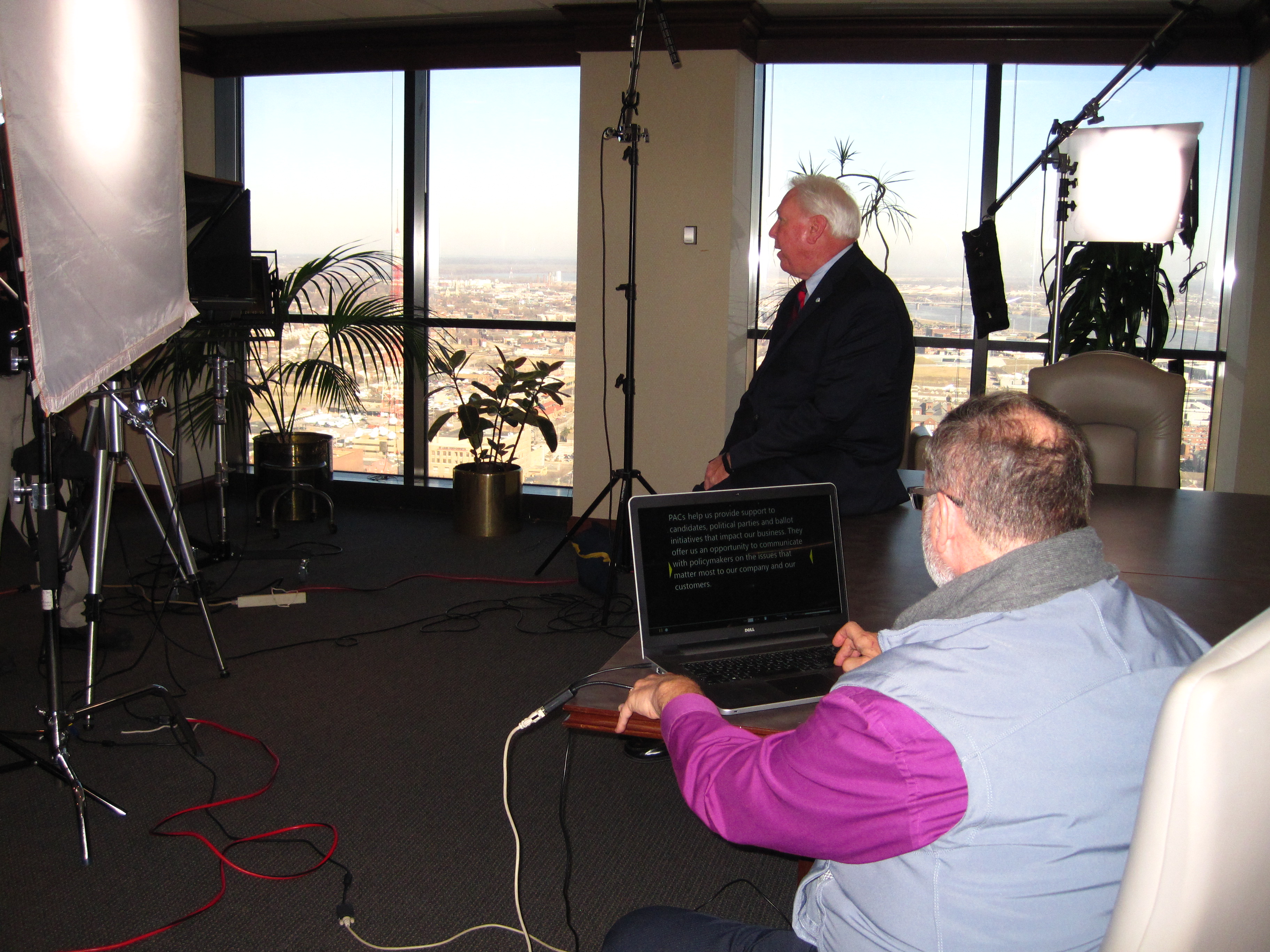
A short, professionally produced video allows attorneys to demonstrate their ability to communicate complicated legal topics in a clear and approachable manner.

This can be especially valuable because many people seeking legal assistance are unfamiliar with legal terminology and procedures.

A well-produced video can help answer common questions, explain the firm’s services, and establish a sense of familiarity before the first consultation.
Short-form video content is particularly useful on:

  • LinkedIn
  • Facebook
  • Instagram Reels
  • YouTube Shorts
  • Law firm websites
  • Email marketing campaigns
  • Digital advertising landing pages

Although each platform has different technical requirements and audience behaviors, the underlying objective remains consistent: communicate useful information while reinforcing the attorney’s professional credibility.

SEVEN EFFECTIVE SOCIAL MEDIA VIDEO CONCEPTS FOR ATTORNEYS

Law firms do not need elaborate television-style commercials to create useful video marketing content.

In many cases, a focused educational video featuring an attorney speaking directly to the camera can be extremely effective.

Here are seven practical concepts.

  1. Attorney Introduction Videos

A brief introduction gives prospective clients an opportunity to become familiar with an attorney’s professional background, practice areas, and approach to client service.

These videos are ideal for attorney biography pages, LinkedIn profiles, and law firm websites.

  1. Frequently Asked Legal Questions

Attorneys regularly answer similar questions during initial consultations.

Creating short educational videos addressing common questions can provide useful information to prospective clients while demonstrating the firm’s subject-matter knowledge.

For example, an estate planning attorney might explain the general differences between wills and trusts, while a business attorney might discuss important considerations when forming a new company.

Content should remain appropriately general, accurate, and compliant with applicable attorney advertising rules.

  1. Practice Area Explainer Videos

Short videos can introduce the firm’s primary practice areas and explain the types of legal matters the attorneys handle.

Examples include commercial litigation, estate planning, employment law, family law, personal injury, and business transactions.

These videos can be incorporated into individual practice-area pages to reinforce the firm’s written content.

  1. Common Legal Misconceptions

Attorneys can address misunderstandings about legal processes without discussing confidential client information.

This approach provides educational value and creates opportunities for interesting, concise social media content.

  1. Legal Updates and Industry Developments

Changes in laws, regulations, and business requirements may affect existing and prospective clients.

Attorneys can explain important developments in straightforward language, particularly when addressing issues relevant to specific industries.

Because legal information can become outdated, firms should establish a review process for accuracy and continued relevance.

  1. Law Firm Culture and Team Introduction Videos

Behind-the-scenes videos can introduce attorneys, paralegals, administrative professionals, and the firm’s working environment.

These productions can support both client marketing and recruiting initiatives.

  1. Community and Professional Involvement

Law firms frequently participate in charitable activities, professional associations, educational programs, and community events.

Professional photography and video coverage of these activities can help communicate the firm’s involvement beyond its daily legal practice.

THE IDEAL LENGTH FOR AN ATTORNEY SOCIAL MEDIA VIDEO

Successful short-form videos generally focus on one specific subject.

For many law firm marketing applications, a practical starting point is approximately 30 to 90 seconds.

A concise video structure might include an opening question relevant to the audience, a brief attorney introduction, two or three useful educational points, a closing summary, and an appropriate call to action.

Not every video needs to be extremely short. More complicated subjects may require two or three minutes, or a longer educational presentation.

Full service studio and location photography production.

St. Louis Photographers

Mike Haller, Senior Shooter

stlouisphotos@gmail.com

314-913-5626

4501 Mattis Road   St. Louis, MO   63128
Beyond the Studio: How Professional Studio and Location Photography Strengthens Your Business Brand

Why choosing the right photography environment, experienced creative professionals, and a comprehensive production strategy makes a measurable difference in business marketing.

Professional Photography Is More Than Taking Pictures

For businesses, corporations, advertising agencies, and marketing professionals, photography is one of the most important elements of effective visual communication. Whether showcasing a manufacturing operation, introducing company leadership, photographing products, documenting facilities, or developing an advertising campaign, professional photography shapes how customers, employees, and prospective clients perceive an organization.

The challenge for marketing decision-makers is not simply finding a photographer. It is selecting an experienced production partner who understands lighting, composition, visual storytelling, branding, production logistics, and the technical requirements of modern digital media.

Equally important is determining where the photography should take place.

A professionally equipped photography studio provides exceptional control over lighting, backgrounds, and image consistency. Location photography, on the other hand, introduces authentic environments, architectural context, and real-world visual storytelling.

The most successful commercial photography campaigns often combine both approaches.

Professional studio and location photography should be viewed as complementary production resources, not competing alternatives. Understanding when and how to utilize each can improve visual quality, reduce unnecessary production expenses, and create more versatile marketing assets.

The Advantages of Professional Studio Photography

Studio photography remains an essential resource for commercial advertising, corporate communications, product marketing, and executive portraiture.

Unlike environments where lighting, backgrounds, and weather conditions are unpredictable, a professional photography studio gives the photographer precise control over nearly every visual element.

Consistent Lighting and Professional Image Quality

Lighting is fundamental to successful professional photography.

Commercial studio lighting equipment allows experienced photographers to control light direction, intensity, contrast, color temperature, reflections, and shadows.

This is especially valuable when photographing products, corporate executives, employees, or subjects requiring consistent results across multiple sessions.

For instance, when a company needs executive portraits of its entire leadership team, studio lighting can establish a recognizable visual style that remains consistent even when additional executives are photographed months later.

Professional studio lighting is especially useful for:

  • Corporate headshots and executive business portraits
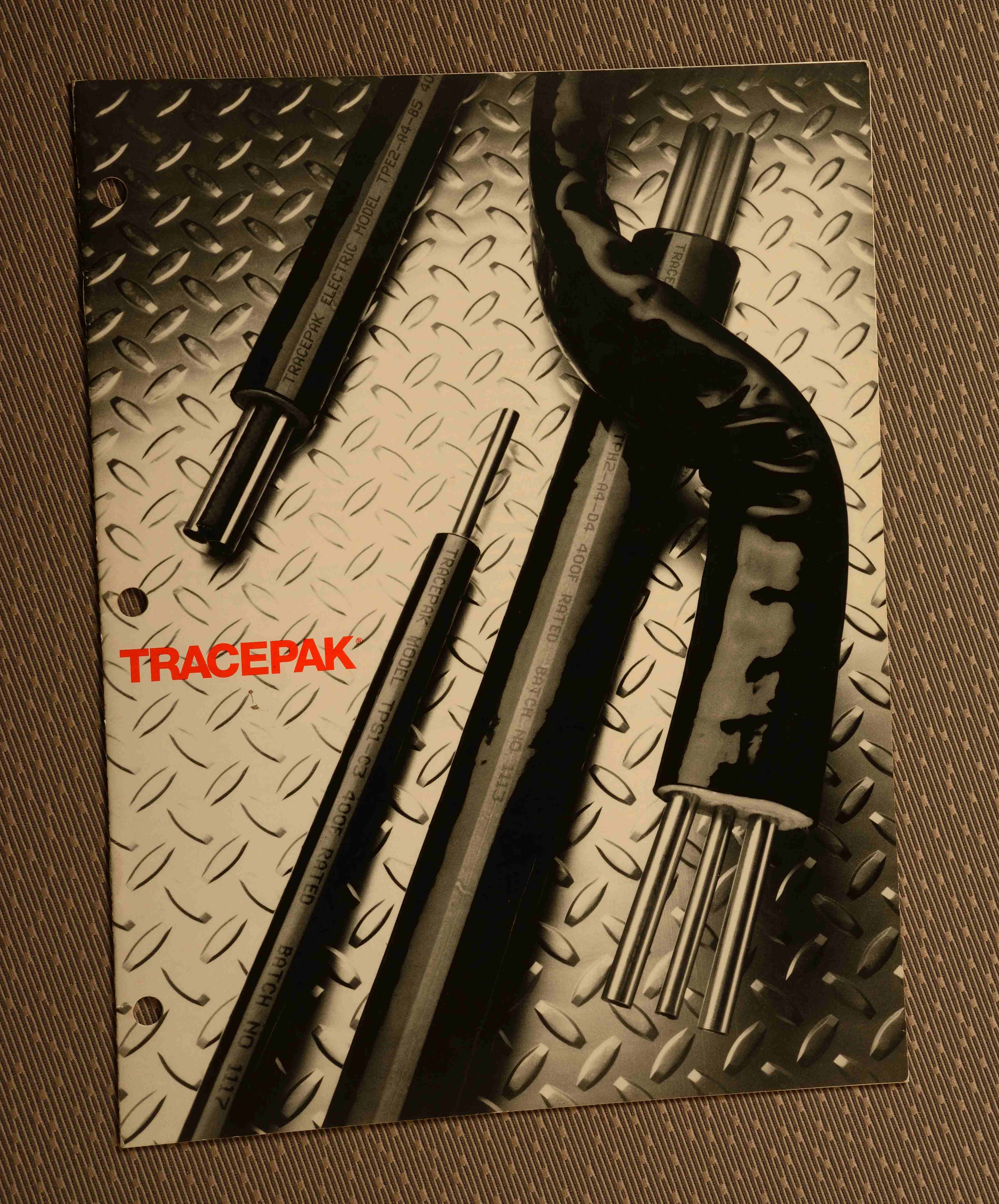
  • Product photography for advertising and e-commerce
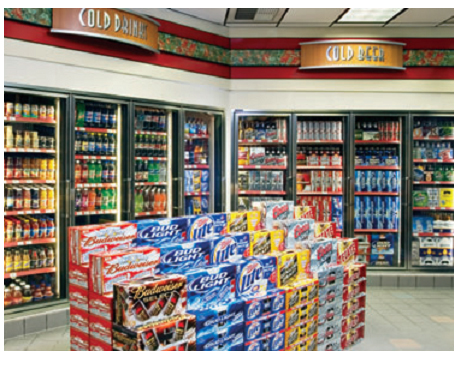
  • Food, beverage, and packaging photography
  • Commercial promotional and branding imagery
  • Employee recruitment and organizational communications
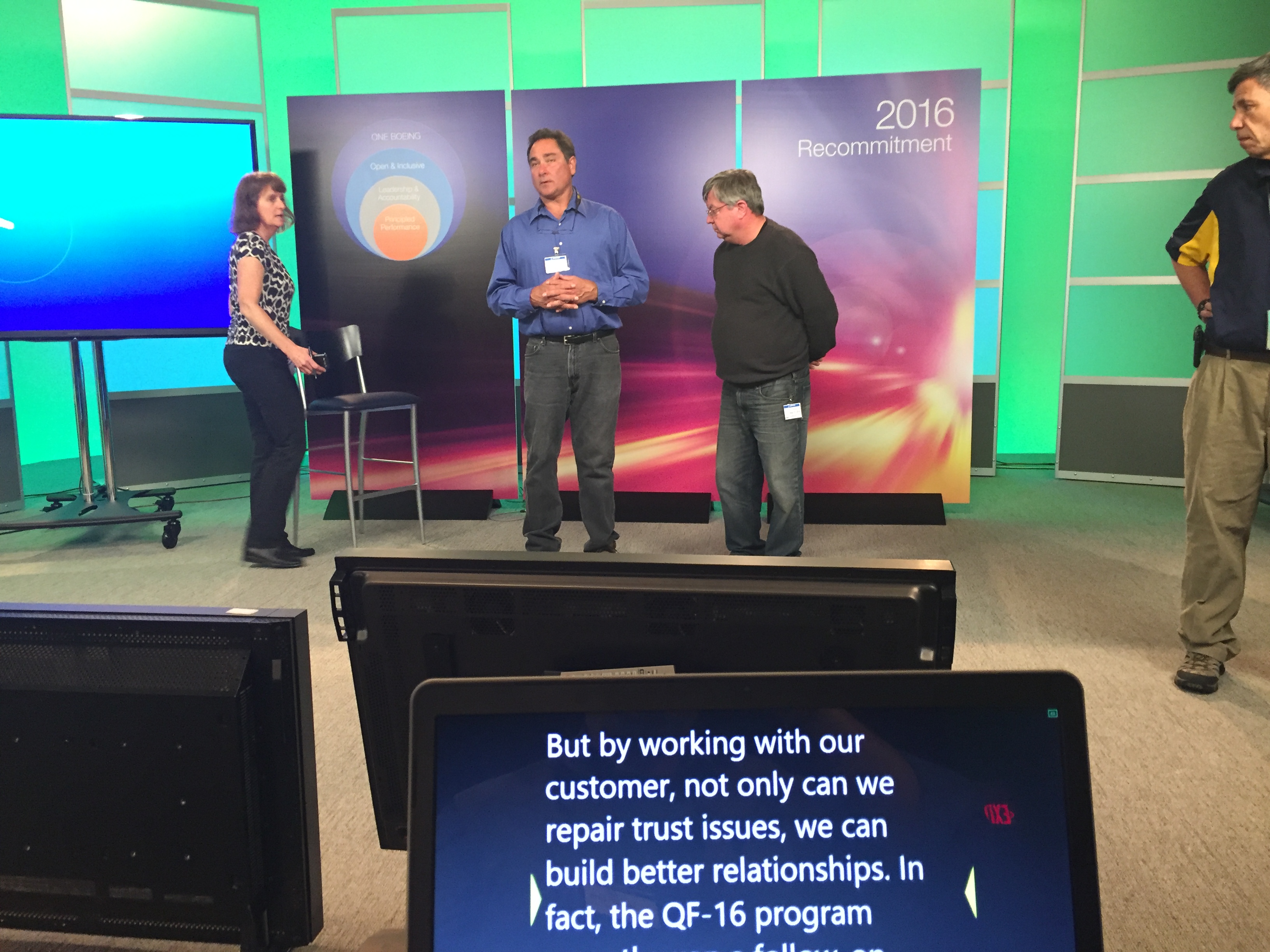
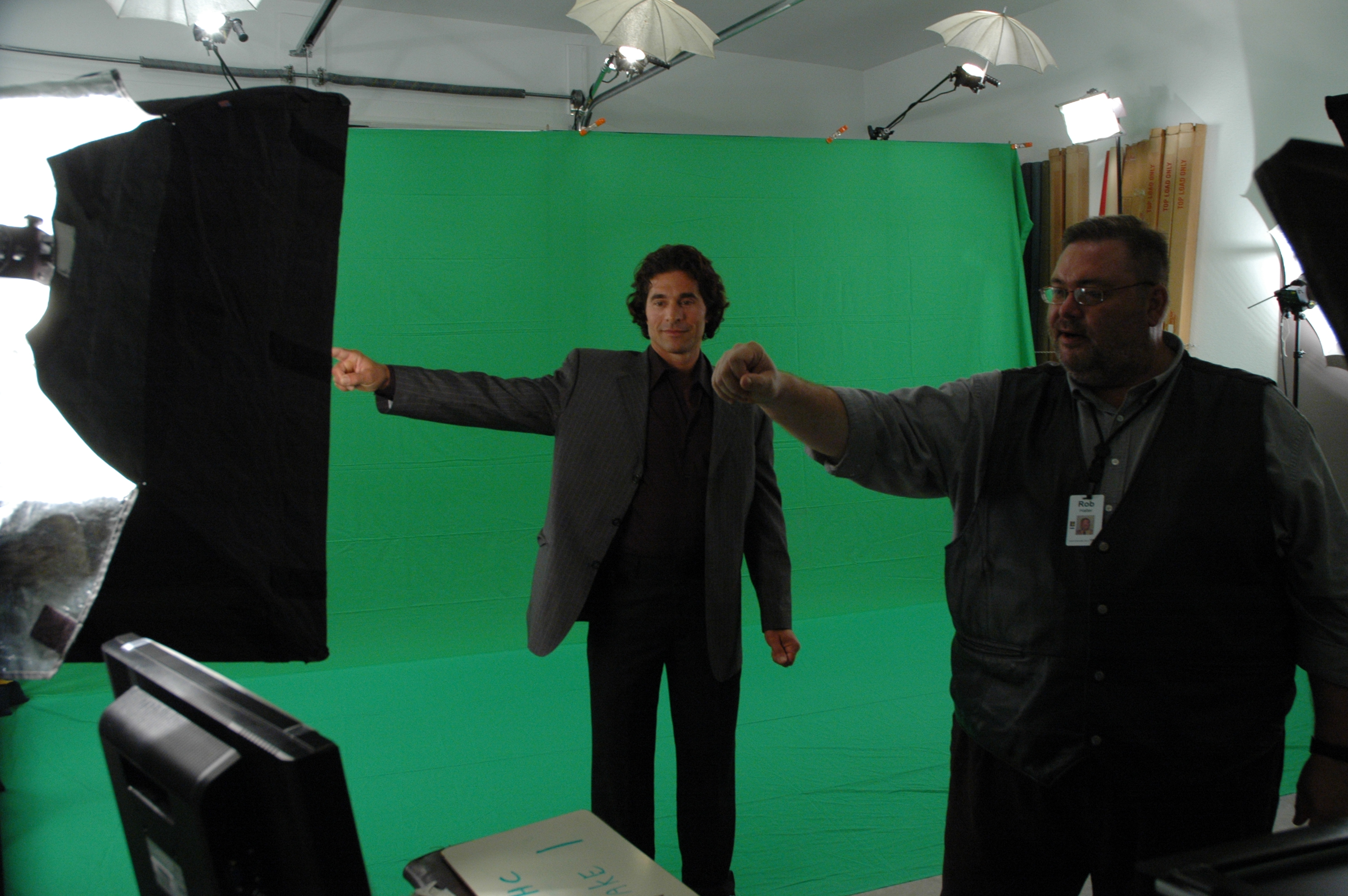
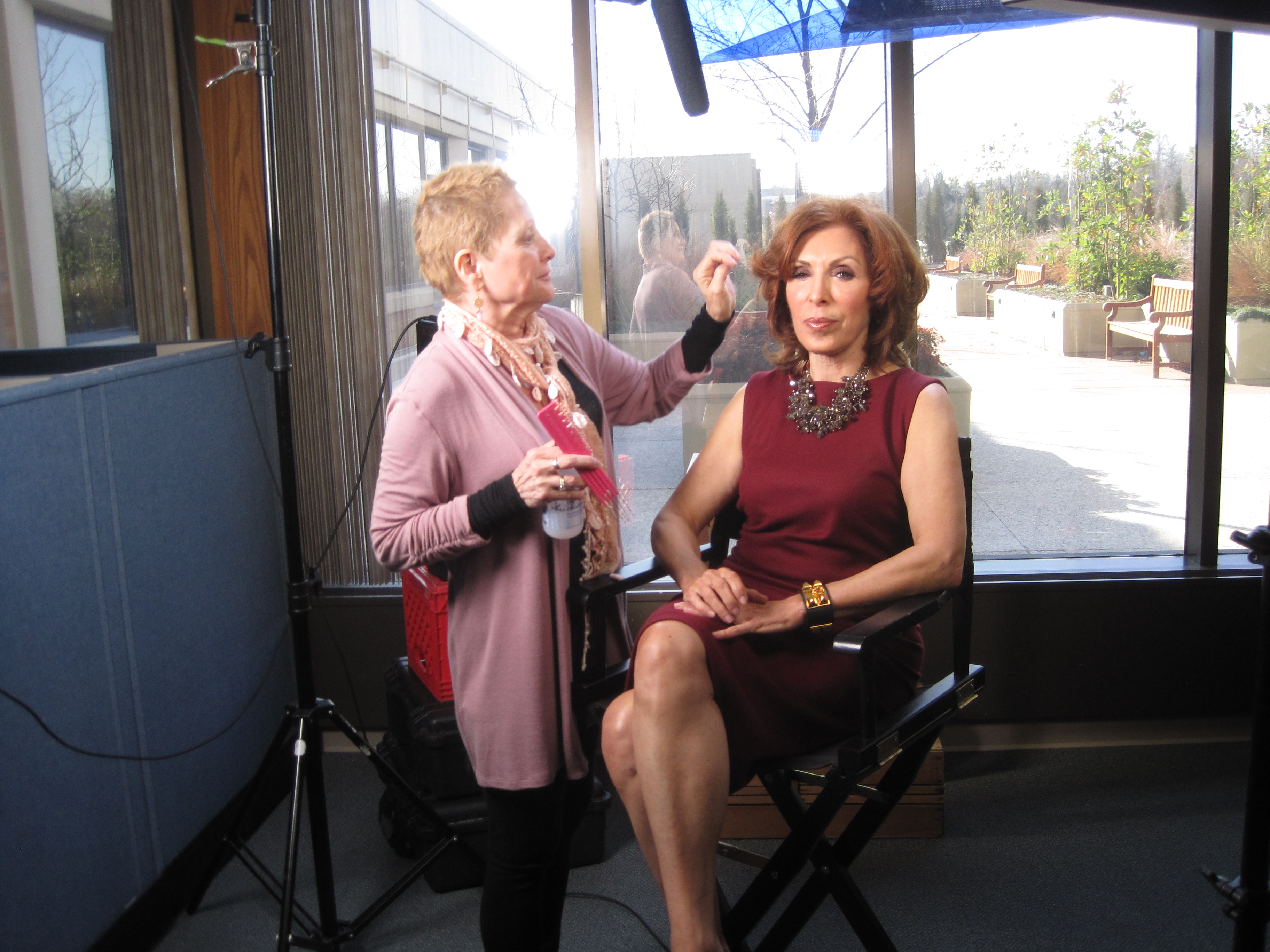
  • Interview-based video productions and testimonials
  • Training videos and corporate presentations
  • Advertising photography requiring specialized backgrounds or props

A controlled lighting environment also reduces the time spent correcting avoidable exposure, color, and background problems during post-production.

Custom Studio Sets and Creative Flexibility

A dedicated professional photography studio is much more than a room containing cameras and lights.

A versatile studio can be adapted to support different visual concepts, background treatments, furniture arrangements, branded elements, and production props.

An executive interview might require a polished corporate setting, while a product advertising campaign could benefit from specialized surfaces, controlled reflections, and carefully positioned accent lighting.

Changing backgrounds, rearranging props, or adjusting lighting allows multiple visual concepts to be captured during the same production session.

For businesses seeking to maximize their creative budgets, this flexibility can be especially valuable.

Why Professional Location Photography Matters

Although the studio offers significant advantages, many of the most meaningful business images must be created where the organization actually operates.

Location photography communicates authenticity.

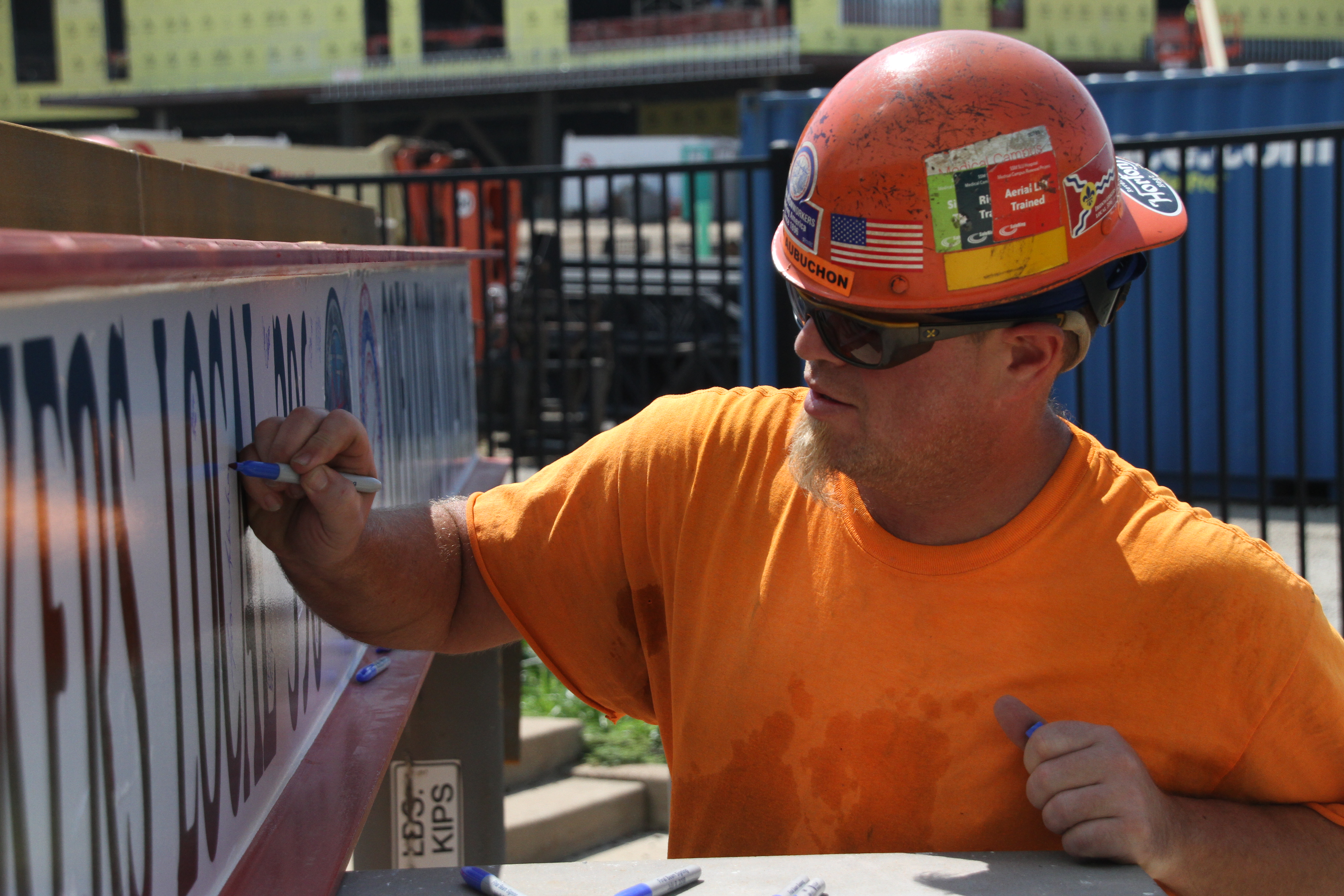
An image of employees working on a manufacturing floor, engineers inspecting a construction project, healthcare professionals interacting with patients, or executives collaborating in their offices can communicate important details about a company’s people, capabilities, and culture.

These environments provide visual evidence of the organization’s operations that a studio background alone cannot duplicate.

Photographing Businesses in Their Actual Environments

Professional location photography is particularly effective for documenting:

  • Manufacturing plants, warehouses, and industrial operations
  • Corporate offices and executive workplaces
  • Healthcare facilities and professional practices
  • Construction sites and engineering projects
  • Commercial real estate and architectural interiors
  • Hospitality facilities, restaurants, and retail businesses
  • Conferences, corporate meetings, and special events
  • Employee recruitment, workplace culture, and training materials

An experienced location photographer looks beyond the obvious image.

Camera placement, lighting direction, architectural lines, background distractions, employee positioning, and the relationship between people and their surroundings all contribute to a successful commercial photograph.

For example, photographing an employee operating industrial equipment requires more than documenting the machinery. An effective image should communicate the employee’s expertise, the scale of the operation, and the company’s professional capabilities while maintaining appropriate workplace safety procedures.

That level of visual storytelling requires planning and production experience.

Choosing the Right Studio and Location Photography Partner

When evaluating commercial photographers and video production companies, marketing directors should consider more than portfolios and estimated production costs.

A successful production partner needs to understand the business objectives behind the assignment.

Important questions include whether the company provides both studio and location services, has the crew and equipment appropriate for the project, can manage production logistics, and offers editing and post-production.

Decision-makers should also evaluate experience with their industry, technical delivery capabilities, scheduling flexibility, insurance, relevant professional licensing, and the ability to repurpose original assets.

Mike Haller, Senior Shooter

stlouisphotos@gmail.com

314-913-5626

4501 Mattis Road   St. Louis, MO   63128
Best Ways to Make Your Products Look Their Best on Camera

When it comes to showcasing your products through photography and video, presentation is everything. A well-crafted image can elevate your brand, drive customer engagement, and increase sales. On the other hand, even a fantastic product can falter if it’s poorly lit, awkwardly composed, or misrepresented visually. As experienced professionals at St Louis Photographers, we understand what it takes to bring your products to life on camera — whether for websites, catalogs, social media, or broadcast.

In this article, we’ll cover the best strategies to ensure your products look their absolute best on camera, setting the stage for business success.

1. Understand Your Brand Aesthetic

Before a single shot is taken, it’s critical to define the look and feel you want your product images to communicate. Is your brand sleek and modern? Warm and handmade? Luxurious and refined? Every visual choice — lighting, background, color palette, angle — should support this narrative.

Tip: Consistency across all product images strengthens brand identity and builds trust with your audience.

2. Master the Lighting

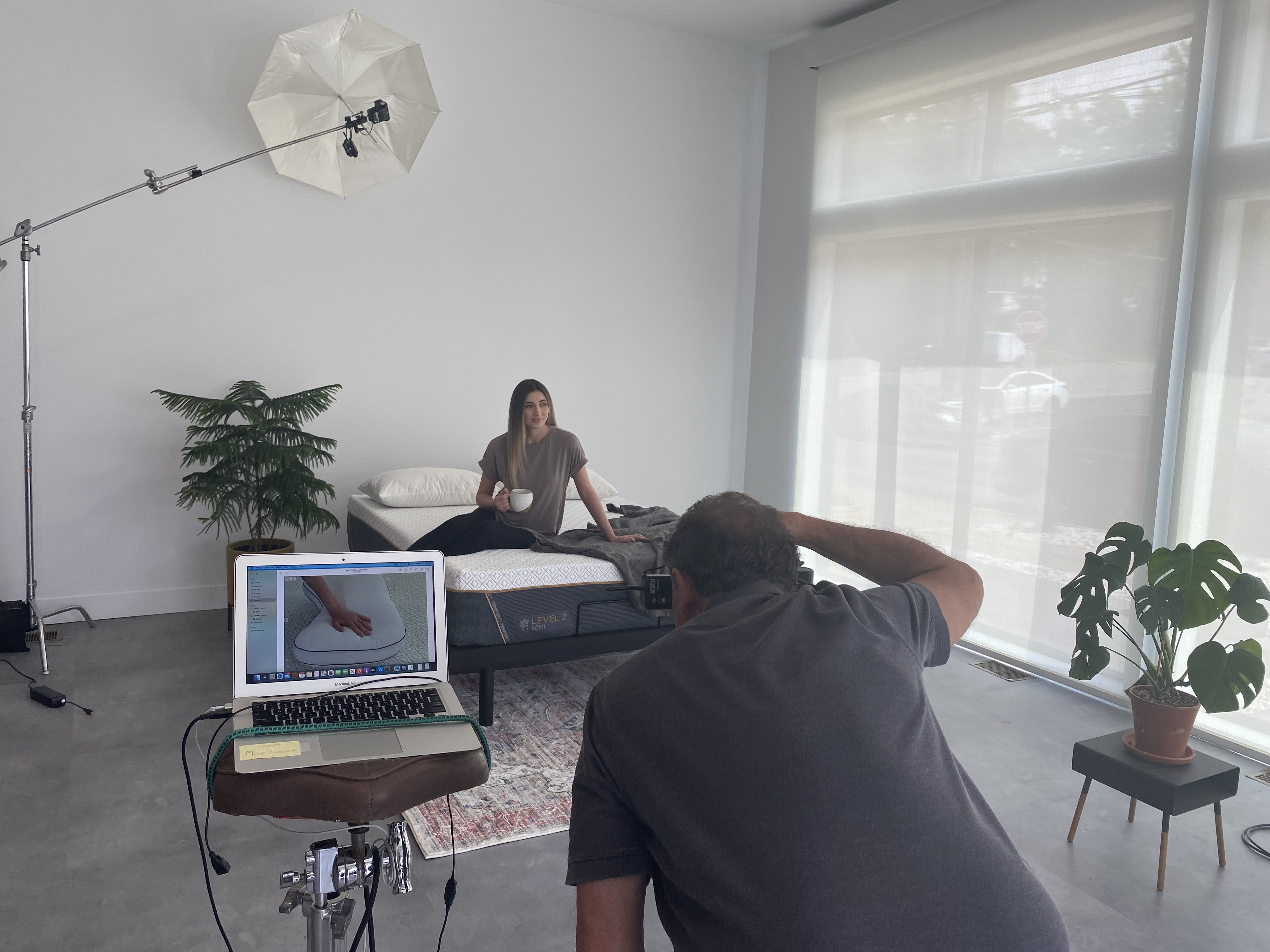
Lighting can make or break a product photo. Harsh shadows, blown highlights, or flat illumination can all diminish the appeal of even the most beautiful products. Professional lighting setups — whether softboxes, umbrellas, reflectors, or even carefully planned natural light — are key.

  • Soft, diffused lighting brings out product details without harsh reflections.
  • Directional lighting can add depth and texture, making materials like leather, metal, or fabric pop.
  • Specialty lighting techniques, such as backlighting or edge lighting, can highlight shape and form for a dramatic effect.

3. Use Proper Styling and Set Design

Styling a product shoot is more than just placing an item in front of a camera. Backgrounds, props, and even the setting need to complement — not overpower — the product.

  • Neutral backgrounds (like white, black, or muted tones) keep the focus on the product.
  • Lifestyle environments (like a cozy living room for a furniture piece) help customers visualize real-world use.
  • Careful prop selection enhances without distracting — a strategically placed item can tell a story about your brand.

Our private studio at St Louis Photographers is perfectly suited for creating custom, styled sets that match your brand’s story.

4. Focus on the Details

High-resolution cameras, macro lenses, and meticulous editing reveal the fine details of your products — but you must prepare for this close scrutiny.

  • Polish and prep your products beforehand: dust, fingerprints, wrinkles, and imperfections will show up.
  • Highlight craftsmanship by focusing in on textures, stitches, grains, or finishing touches.
  • Use sharp focus where it matters most, while allowing some areas to softly blur (a technique called shallow depth of field) to draw the eye.

5. Get Creative with Angles and Composition

Don’t just stick to the front view. Different perspectives can reveal new dimensions of a product and captivate viewers.

  • Low angles can make a product feel larger or more powerful.
  • Close-up shots can emphasize quality and texture.
  • Dynamic compositions (like diagonal lines or asymmetry) can add energy and sophistication.

At St Louis Photographers, we use cinematic composition techniques to make your product the true hero of the frame.

6. Post-Production is Essential

Even a well-shot product image benefits from expert post-production. Color correction, retouching, and background cleanup ensure that your final images are polished, consistent, and professional.

Our editing team at St Louis Photographers is highly skilled in Adobe Photoshop, Lightroom, Premiere, and other industry-standard software, as well as the latest AI-driven post-production tools to streamline quality enhancements.

7. Incorporate Video for Dynamic Product Showcases

Video is one of the fastest-growing content types for product marketing. A short, engaging product video can show usage, demonstrate scale, and create emotional connection far better than a static image alone.

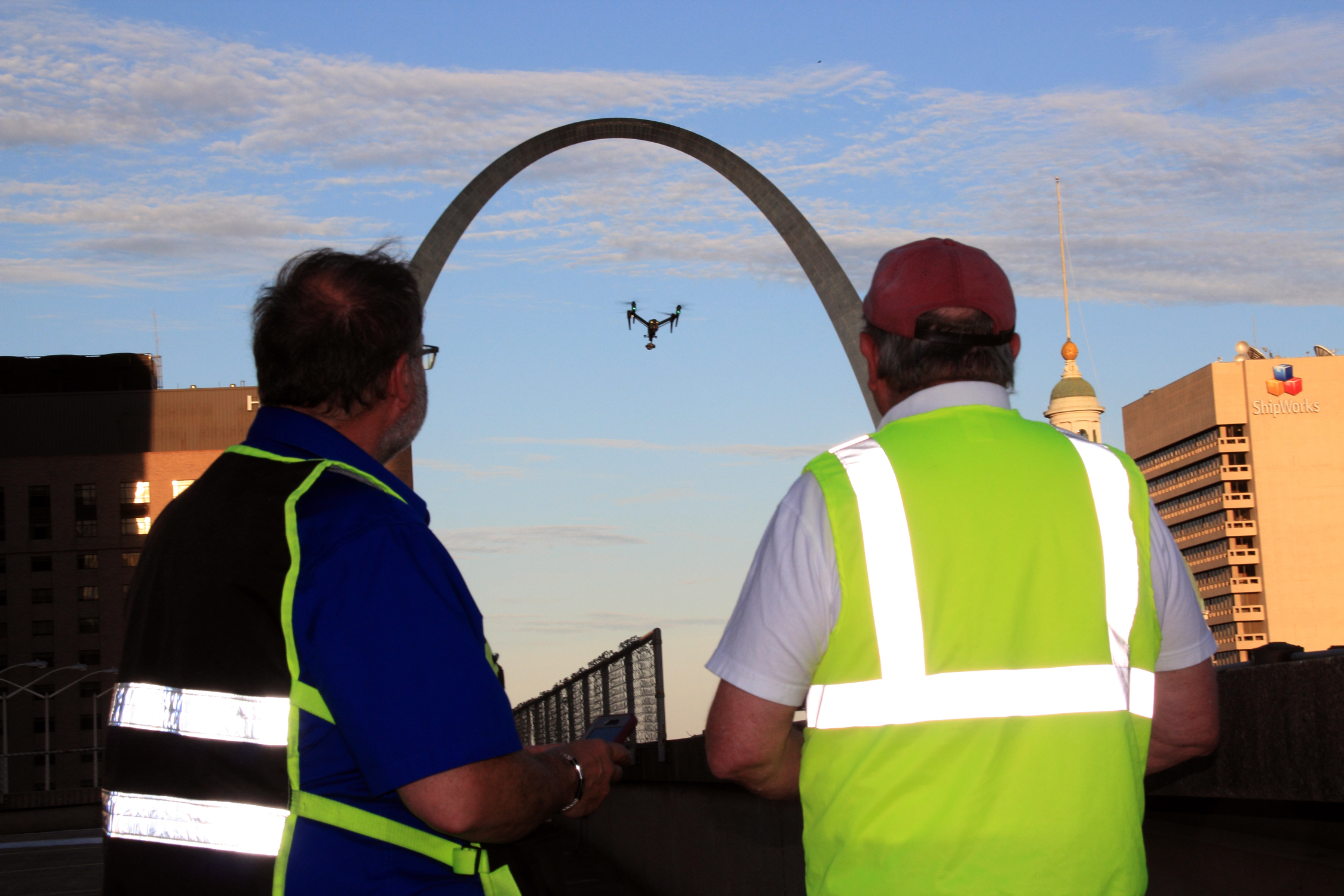
We provide full-service video production — including licensed drone filming — to bring dynamic, engaging movement to your product marketing campaigns.


Why Choose St Louis Photographers?

Since 1982, St Louis Photographers has been a trusted partner to businesses, marketing firms, and creative agencies throughout the St. Louis area. We are a full-service commercial photography and video production company offering:

  • Studio and location photography and videography
  • Expert editing and post-production services
  • Licensed and insured drone operations, including indoor flight
  • Customizable productions for all types of media needs
  • AI-driven enhancements for faster, smarter media services
  • Private studio lighting setups ideal for product shoots, small productions, and interviews
  • Access to a fully equipped studio large enough to build custom prop sets

Our team has the experience, equipment, and creativity to ensure successful image acquisition that aligns with your brand’s goals. From initial concept through final delivery, we work seamlessly with you to create stunning photography and video assets that make your brand — and your products — shine.

Ready to elevate your product imagery? Contact St Louis Photographers today and let’s bring your vision to life.


stlouisphotos@gmail.com

314-913-5626