Professional Attorney Headshots and Social Media Videos: Building Trust, Credibility, and a Stronger Law Firm Brand

How Professional Photography and Short-Form Video Help St. Louis Attorneys Connect With Clients, Strengthen Their Online Presence, and Differentiate Their Legal Services

In today’s competitive legal marketplace, prospective clients often form their first impressions of an attorney long before scheduling a consultation. They visit law firm websites, review attorney biographies, search Google, browse LinkedIn profiles, and watch videos on social media to determine which legal professionals appear knowledgeable, approachable, and trustworthy.

For attorneys and law firms, professional headshot photography and short-form social media video production have become essential components of effective legal marketing.

A polished attorney portrait communicates professionalism and confidence, while a carefully produced video introduces prospective clients to the attorney’s personality, communication style, and legal experience.

Together, these visual marketing tools create a stronger personal connection and help law firms stand apart in an increasingly crowded marketplace.

At St Louis Photographers, we understand that successful attorney photography and legal video marketing require more than excellent cameras and lighting. They demand thoughtful planning, professional direction, appropriate messaging, consistent branding, and an understanding of how attorneys communicate with their clients.

Whether photographing an individual attorney, producing coordinated portraits for an entire law firm, or creating a series of short educational videos, our professional photography and video production crews help St. Louis legal professionals develop compelling visual content designed for modern marketing platforms.

Why Professional Headshots Matter for Attorneys and Law Firms

<text weight=”medium”>Your Professional Image Is Part of Your Legal Brand</text>

An attorney’s professional portrait may appear on dozens of platforms, including law firm websites, professional directories, LinkedIn profiles, legal publications, speaking engagement announcements, press releases, and digital advertising campaigns.

An outdated, poorly lit, or inconsistent headshot can undermine the professionalism conveyed by an otherwise well-designed law firm website.

Conversely, a high-quality portrait establishes a positive first impression and helps communicate the qualities that prospective clients frequently seek in legal representation:

  • Professionalism and credibility
  • Confidence and experience
  • Approachability and personal attention
  • Reliability and attention to detail
  • Consistency with the firm’s reputation and values

Professional attorney photography should accomplish more than simply documenting an individual’s appearance. It should communicate the professional identity of both the lawyer and the firm.

For example, a corporate attorney may benefit from a sophisticated portrait featuring contemporary office architecture, while a family law attorney might prefer a warmer, more approachable presentation.

The appropriate photographic style depends on the attorney’s practice area, target audience, marketing objectives, and desired professional image.
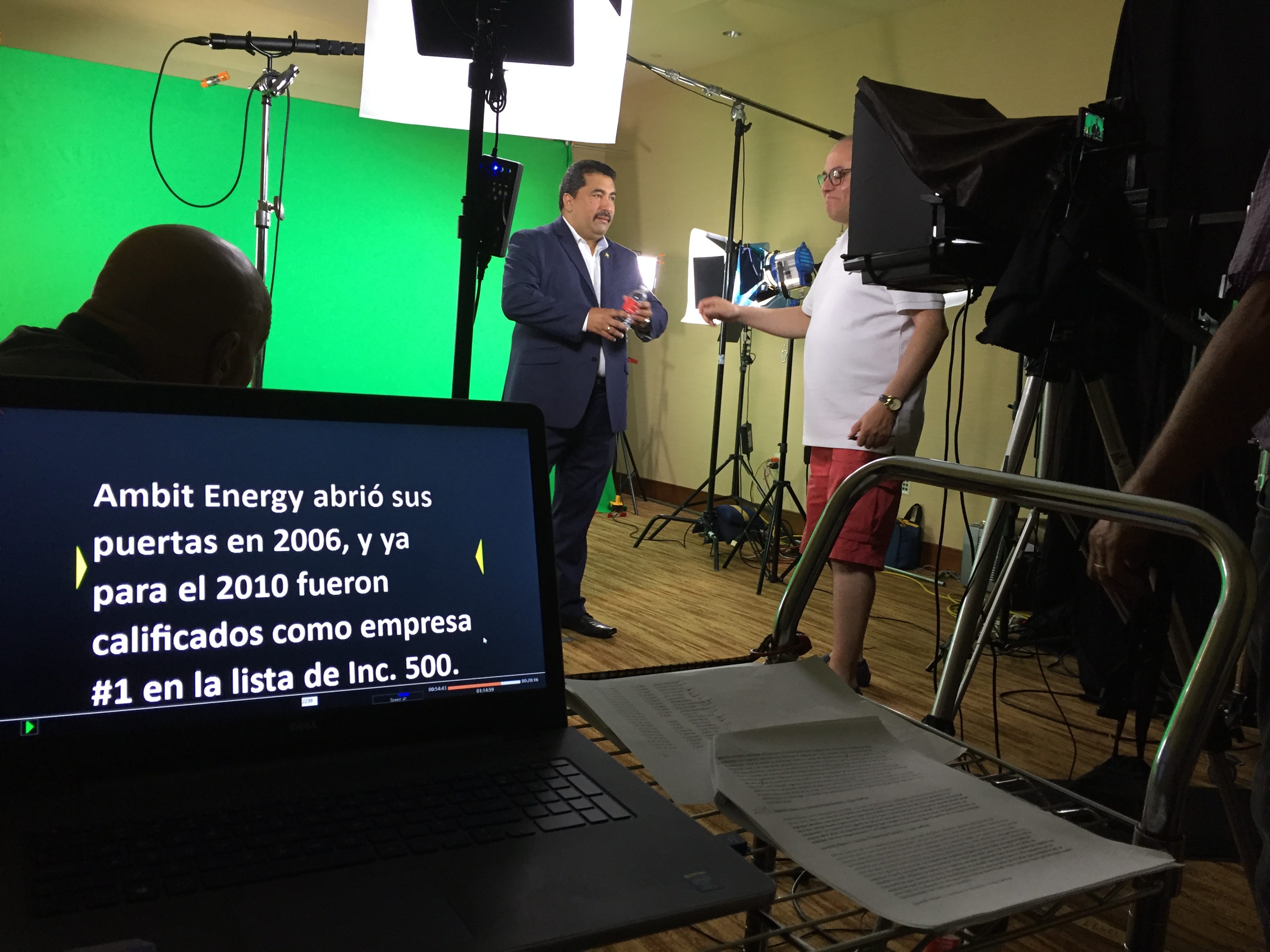
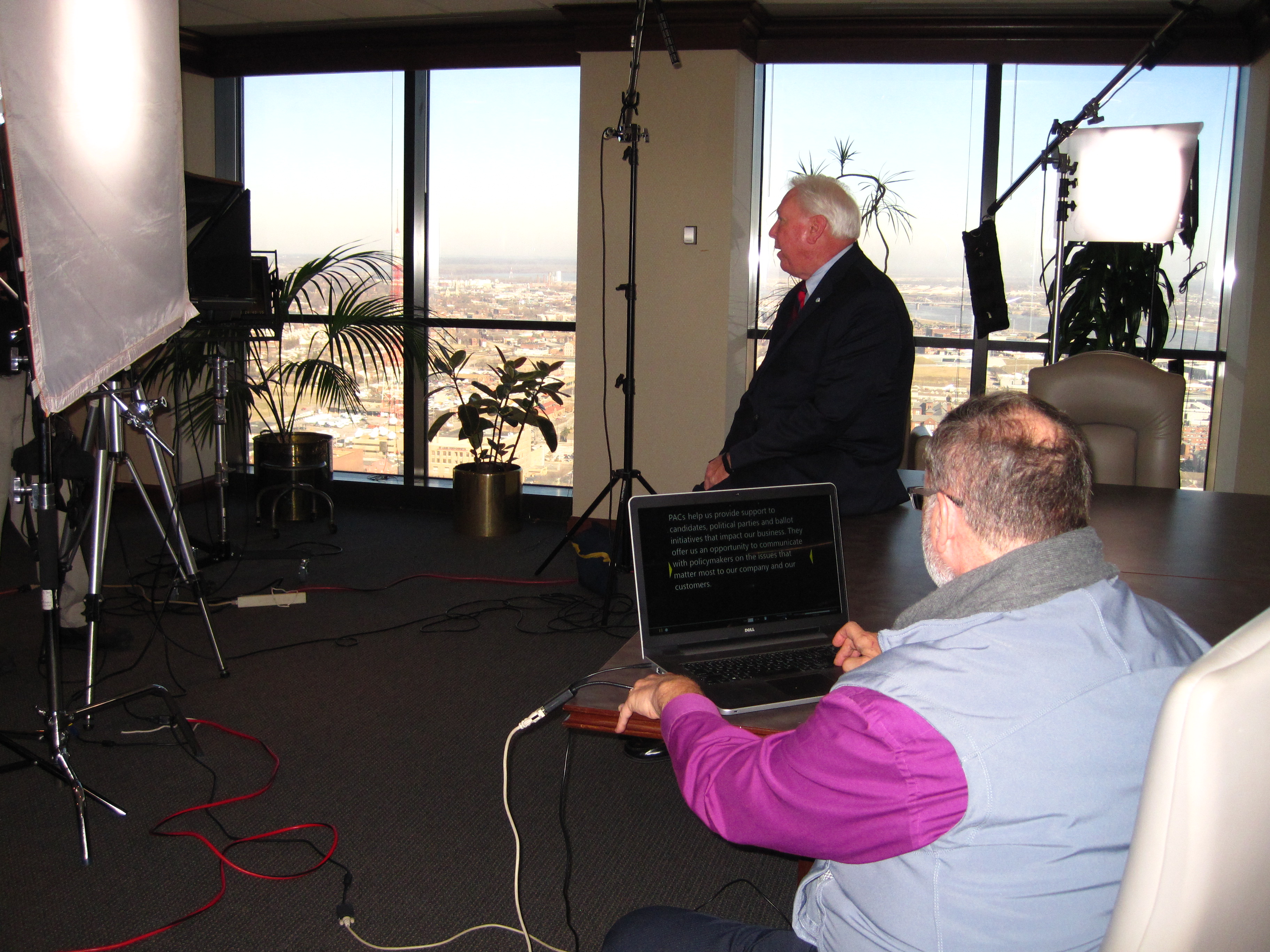
Studio Headshots Versus Environmental Attorney Portraits

One of the first considerations when planning an attorney photography session is selecting the appropriate setting.

Both traditional studio portraits and environmental photography offer distinct marketing advantages.

Traditional Studio Headshots

Studio headshots are ideal for law firms seeking a consistent, professional appearance across their attorney biographies and marketing materials.

A controlled studio environment allows photographers to precisely manage lighting, backgrounds, camera positioning, and facial expression.

Professional studio portraits provide several advantages:

  • Consistent lighting and image quality
  • Coordinated backgrounds across multiple attorneys
  • Minimal visual distractions
  • Efficient sessions for busy legal professionals
  • Reliable color and exposure matching
  • Flexible cropping for websites and professional directories

Our private photography studio at St Louis Photographers provides controlled professional lighting, interchangeable background options, and flexible shooting arrangements.

For larger firms, we can also establish a mobile headshot station directly at the client’s office, reducing interruptions to attorneys’ schedules.

Environmental Attorney Portraits

Environmental portraits show attorneys in meaningful professional surroundings.

Examples include attorneys photographed in conference rooms, firm libraries, modern office spaces, reception areas, and architectural settings.

These photographs can communicate the character of a law firm while providing greater visual variety for its marketing materials.

Environmental portraits are particularly useful for website homepages, feature articles, recruitment campaigns, annual reports, and practice-area landing pages.

Our experienced photographers carefully evaluate available lighting, backgrounds, architectural features, and composition to create portraits that remain professional while reflecting the firm’s identity.

Combining Both Approaches

Many successful law firm photography projects include both traditional headshots and environmental portraits.

This combination creates a versatile image library that marketing departments can use across multiple platforms without repeatedly scheduling new photography sessions.

Coordinated Headshots for an Entire Law Firm

Consistency is especially important when photographing multiple attorneys.

Law firm websites frequently suffer from a mixture of photography styles. One attorney may have a professionally lit studio portrait, another a casual office photograph, and another an image taken several years earlier.

When these images appear together, the presentation can look disorganized.

Coordinated law firm headshots establish a unified visual identity.

Professional photographers accomplish this through consistent lighting ratios, camera angles, backgrounds, color treatment, image dimensions, and retouching standards.

Before the photography session, our production team can work with the firm’s marketing representative to develop a practical photography plan addressing wardrobe recommendations, scheduling, background choices, image formats, and expected deliverables.

For larger organizations, photographing attorneys in scheduled groups can minimize disruptions to daily business operations.

We can also maintain consistent photographic specifications for future sessions involving newly hired associates, additional partners, or updated portraits.

This allows the firm’s photographic branding to remain recognizable as the organization grows.

Short-Form Social Media Videos: A Powerful Marketing Tool for Lawyers

While professional photography establishes an attorney’s visual identity, video helps prospective clients understand the individual behind that image.

A short, professionally produced video allows attorneys to demonstrate their ability to communicate complicated legal topics in a clear and approachable manner.

This can be especially valuable because many people seeking legal assistance are unfamiliar with legal terminology and procedures.

A well-produced video can help answer common questions, explain the firm’s services, and establish a sense of familiarity before the first consultation.

Short-form video content is particularly useful on:

  • LinkedIn
  • Facebook
  • Instagram Reels
  • YouTube Shorts
  • Law firm websites
  • Email marketing campaigns
  • Digital advertising landing pages

Although each platform has different technical requirements and audience behaviors, the underlying objective remains consistent: communicate useful information while reinforcing the attorney’s professional credibility.

SEVEN EFFECTIVE SOCIAL MEDIA VIDEO CONCEPTS FOR ATTORNEYS

Law firms do not need elaborate television-style commercials to create useful video marketing content.

In many cases, a focused educational video featuring an attorney speaking directly to the camera can be extremely effective.

Here are seven practical concepts.

  1. Attorney Introduction Videos

A brief introduction gives prospective clients an opportunity to become familiar with an attorney’s professional background, practice areas, and approach to client service.

These videos are ideal for attorney biography pages, LinkedIn profiles, and law firm websites.

  1. Frequently Asked Legal Questions

Attorneys regularly answer similar questions during initial consultations.

Creating short educational videos addressing common questions can provide useful information to prospective clients while demonstrating the firm’s subject-matter knowledge.

For example, an estate planning attorney might explain the general differences between wills and trusts, while a business attorney might discuss important considerations when forming a new company.

Content should remain appropriately general, accurate, and compliant with applicable attorney advertising rules.

  1. Practice Area Explainer Videos

Short videos can introduce the firm’s primary practice areas and explain the types of legal matters the attorneys handle.

Examples include commercial litigation, estate planning, employment law, family law, personal injury, and business transactions.

These videos can be incorporated into individual practice-area pages to reinforce the firm’s written content.

  1. Common Legal Misconceptions

Attorneys can address misunderstandings about legal processes without discussing confidential client information.

This approach provides educational value and creates opportunities for interesting, concise social media content.

  1. Legal Updates and Industry Developments

Changes in laws, regulations, and business requirements may affect existing and prospective clients.

Attorneys can explain important developments in straightforward language, particularly when addressing issues relevant to specific industries.

Because legal information can become outdated, firms should establish a review process for accuracy and continued relevance.

  1. Law Firm Culture and Team Introduction Videos

Behind-the-scenes videos can introduce attorneys, paralegals, administrative professionals, and the firm’s working environment.

These productions can support both client marketing and recruiting initiatives.

  1. Community and Professional Involvement

Law firms frequently participate in charitable activities, professional associations, educational programs, and community events.

Professional photography and video coverage of these activities can help communicate the firm’s involvement beyond its daily legal practice.

THE IDEAL LENGTH FOR AN ATTORNEY SOCIAL MEDIA VIDEO

Successful short-form videos generally focus on one specific subject.

For many law firm marketing applications, a practical starting point is approximately 30 to 90 seconds.

A concise video structure might include an opening question relevant to the audience, a brief attorney introduction, two or three useful educational points, a closing summary, and an appropriate call to action.

Not every video needs to be extremely short. More complicated subjects may require two or three minutes, or a longer educational presentation.

Full service studio and location photography production.

St. Louis Photographers

Mike Haller, Senior Shooter

stlouisphotos@gmail.com

314-913-5626

4501 Mattis Road   St. Louis, MO   63128

Economical Studio and Location Photography in St. Louis

For businesses and organizations that need strong visual content, cost matters. But so does quality. The challenge is not simply finding the cheapest photography option. It is finding the most economical approach—the one that gives you the best return on your investment, the greatest flexibility, and imagery that continues working long after the shoot is over.

That distinction is important.

Economical studio and location photography in St. Louis is not about cutting corners. It is about planning smartly, producing efficiently, and creating photography that serves multiple purposes across marketing, sales, recruiting, training, public relations, websites, social media, presentations, and internal communications. When photography is approached strategically, it becomes a durable business asset rather than a one-time expense.

What “Economical” Really Means in Commercial Photography

Many decision makers hear the word economical and assume it means basic, stripped down, or limited. In professional photography, the opposite is often true. A well-organized production can reduce waste, minimize reshoots, shorten timelines, and produce a larger library of usable images in a single session.

That is where the real value lives.

An economical photography plan usually includes:

  • clear production goals before the shoot
  • the right choice between studio and location photography
  • efficient scheduling
  • a shot list based on actual marketing needs
  • experienced crew support
  • professional lighting and equipment that reduce production problems
  • files delivered in formats useful for multiple platforms
  • images created with future reuse in mind

A lower day rate does not always mean a lower overall cost. If the photography misses the mark, lacks consistency, or fails to support your brand across channels, the hidden cost shows up later in reshoots, weak marketing, and lost time.

Why Businesses Choose Studio Photography

Studio photography remains one of the most efficient ways to create polished, repeatable, brand-consistent content. In a controlled environment, nearly every variable is easier to manage. Lighting, sound, backdrops, weather, timing, and set design can all be handled with precision.

For many businesses, studio photography is the economical choice because it eliminates a range of common production complications.

Key cost-saving advantages of studio photography

Predictable conditions
There is no waiting for clouds to move, sunlight to stabilize, or wind to calm down. Controlled lighting means fewer delays and more usable images in less time.

Consistent brand presentation
Studio photography is ideal for executive portraits, team headshots, product photography, interview setups, and branded campaigns where consistency matters across many deliverables.

Efficient scheduling
When multiple people need to be photographed, a studio session can be run with a clean workflow that keeps the day moving and minimizes disruption to business operations.

Flexible creative control
Backgrounds, props, lighting direction, and scene styling can be adjusted quickly, making it easier to create a range of looks in one session.

Reduced logistical complexity
No location permits, less setup variability, and fewer environmental surprises often translate into a smoother production day.

For marketing teams, this means studio photography can generate a deep content library efficiently. A single day can often produce headshots, environmental portraits, product details, branded lifestyle imagery, and even short-form video elements if the production is designed correctly.

Why Location Photography Still Matters

While studio work is highly efficient, location photography often brings authenticity and context that cannot be manufactured. Businesses want customers, employees, and stakeholders to see where work happens, how services are delivered, and what makes an operation distinct.

Location photography can be economical when it captures reality in a way that strengthens trust and shortens the distance between brand and audience.

Situations where location photography adds value

Manufacturing and industrial environments
Machinery, workflow, scale, and active operations tell a more convincing story on-site than in a neutral setting.

Healthcare, education, and professional services
Clients and patients often want to see the real environment before making a decision.

Architecture, real estate, and construction
The setting is the story. Interiors, exteriors, site conditions, and spatial relationships matter.

Hospitality, retail, and restaurants
Atmosphere, customer experience, and design details are central to the brand.

Corporate culture and recruiting
Photographing real teams in real environments can produce better recruiting and employer-branding content than generic stock-style imagery.

Done well, location photography is not less efficient than studio photography. It simply requires stronger pre-production. When the crew knows the access points, lighting conditions, timing windows, safety requirements, and shot priorities in advance, location photography becomes highly productive.

Studio or Location: Which Is More Economical?

There is no universal answer because the better choice depends on the purpose of the imagery.

If you need clean, controlled portraits, product photography, or consistent brand visuals, studio photography often delivers the greatest efficiency.

If you need authenticity, context, scale, or visual proof of operations, location photography may create more value even if logistics are more involved.

In many cases, the most economical approach is a hybrid production strategy.

A hybrid shoot combines studio and location photography to maximize the value of one production cycle. For example, a company may schedule executive portraits and product detail shots in the studio, then capture team interaction, facility imagery, and operations on location. This creates a broader image library without having to organize separate productions months apart.

That kind of planning can improve efficiency dramatically.

How to Keep Commercial Photography Cost-Effective Without Sacrificing Quality

Businesses often overspend not because photography itself is inherently expensive, but because the production was not structured well. The most economical projects are usually the best organized.

1. Build the shoot around business goals

Before anyone steps on set or arrives on location, define what the photography needs to accomplish. Is the goal lead generation, recruiting, investor communication, website refresh, social content, annual report imagery, or brand repositioning?

The clearer the objective, the more precise the shoot can be.

2. Create a priority-based shot list

Not every image has equal value. Separate must-have images from nice-to-have images. This helps the production team allocate time where it matters most and prevents the day from being consumed by low-priority requests.

3. Capture for multiple uses

One of the smartest ways to improve economics is to create images that can be repurposed. A single production should ideally support web banners, vertical social crops, print collateral, recruiting pages, digital ads, internal presentations, and PR needs.

This is where experienced planning pays off.

4. Use the right environment for the right subject

Trying to force everything into one setting can actually increase cost. Some assets belong in the studio. Others belong on location. Choosing correctly reduces setup time and improves results.

5. Schedule people efficiently

If executives, staff, clients, or talent are involved, group scheduling matters. Keeping subjects organized reduces idle time and avoids the expensive ripple effect of delays.

6. Work with a crew that understands production flow

An experienced crew can move faster without sacrificing quality. They know how to light efficiently, solve problems early, and adapt without losing momentum.

7. Think beyond the shoot day

The value of a photography investment is tied to how long the images remain useful. Evergreen, well-branded imagery delivers far more value than content that becomes outdated immediately.

Common Mistakes That Make Photography More Expensive

Businesses sometimes create unnecessary costs without realizing it. These are some of the most common problems:

Lack of pre-production
Without a clear plan, the shoot day becomes a series of decisions made under pressure.

Trying to do too much without priorities
An overloaded shoot schedule usually leads to mediocre coverage instead of strong, focused results.

Ignoring repurposing opportunities
If images are created for only one use, the return on the production drops.

Choosing based only on price
Low-cost providers may produce inconsistent results, weak files, or incomplete coverage that forces another shoot later.

Underestimating location logistics
Parking, access, permits, lighting, weather, and setup time all affect production efficiency.

Not considering brand consistency
If new photography does not match the brand tone, style, or visual standards, it may not work well with existing marketing materials.

The Long-Term Value of a Strong Photography Library

An economical photography strategy does more than get you through one campaign. It builds a reusable library of visual assets that supports the business over time.

That library can include:

  • executive and team portraits
  • workplace and culture imagery
  • product photography
  • service process photography
  • architecture and interiors
  • customer interaction visuals
  • marketing campaign assets
  • social media content
  • event and PR imagery

When these assets are created with consistency and purpose, they reduce the need for rushed future shoots and help marketing departments respond faster to new opportunities.

For organizations with multiple departments or recurring content needs, this kind of photography library becomes a measurable operational advantage.

Why Experience Matters in Economical Photography

Economical production is not just about saving money on the day of the shoot. It is about reducing risk. Experience helps avoid technical mistakes, inconsistent lighting, weak styling decisions, missed moments, poor file delivery, and inefficient production design.

That matters whether the assignment is a fast-moving industrial shoot, an executive portrait session, a product photography setup, or a multi-location marketing campaign.

Experienced commercial photographers know how to balance creative quality with practical business realities. They understand how to create images that look refined, support strategy, and make efficient use of the client’s time and budget.

Economical Photography Should Still Look Premium

This is one of the most important points for decision makers. Economical photography should never feel cheap. Your visuals are often the first impression your audience has of your company. If the work looks generic, rushed, or inconsistent, it affects how the brand is perceived.

The goal is to produce premium-looking imagery through smart planning, not inflated production.

That means using the right crew, the right tools, the right setting, and the right process to get strong results efficiently.

Final Thoughts

Economical studio and location photography in St. Louis is about value, not compromise. Businesses that invest in professional planning and experienced execution usually gain more usable content, better brand consistency, and a longer-lasting return on their photography budget.

The most successful productions are not simply the least expensive. They are the ones designed thoughtfully from the beginning, with clear business goals and a strategy for creating imagery that can work hard across many channels.

When photography is handled that way, it becomes one of the most practical and versatile investments a business can make.

St Louis Photographers is an experienced full-service professional commercial photography and video production company with the right equipment and creative crew service experience for successful image acquisition. Since 1982, St Louis Photographers has worked with many businesses, marketing firms, and creative agencies in the St. Louis area on marketing photography and video productions. We offer full-service studio and location video and photography, as well as editing, post-production, and licensed drone services. St Louis Photographers can customize your productions for diverse types of media requirements. Repurposing your photography and video branding to gain more traction is another specialty. We are well-versed in all file types, media styles, and accompanying software. We use the latest in Artificial Intelligence for all our media services. Our private studio lighting and visual setup is perfect for small productions and interview scenes, and our studio is large enough to incorporate props to round out your set. We support every aspect of your production—from setting up a private, custom interview studio to supplying professional sound and camera operators, as well as providing the right equipment—ensuring your next video production is seamless and successful. We can also fly our specialized drones indoors.

stlouisphotos@gmail.com

314-913-5626